OPERATION
“Operation” is an interactive exhibition where visitors can explore emotional and sensory concepts through playful interaction with art.
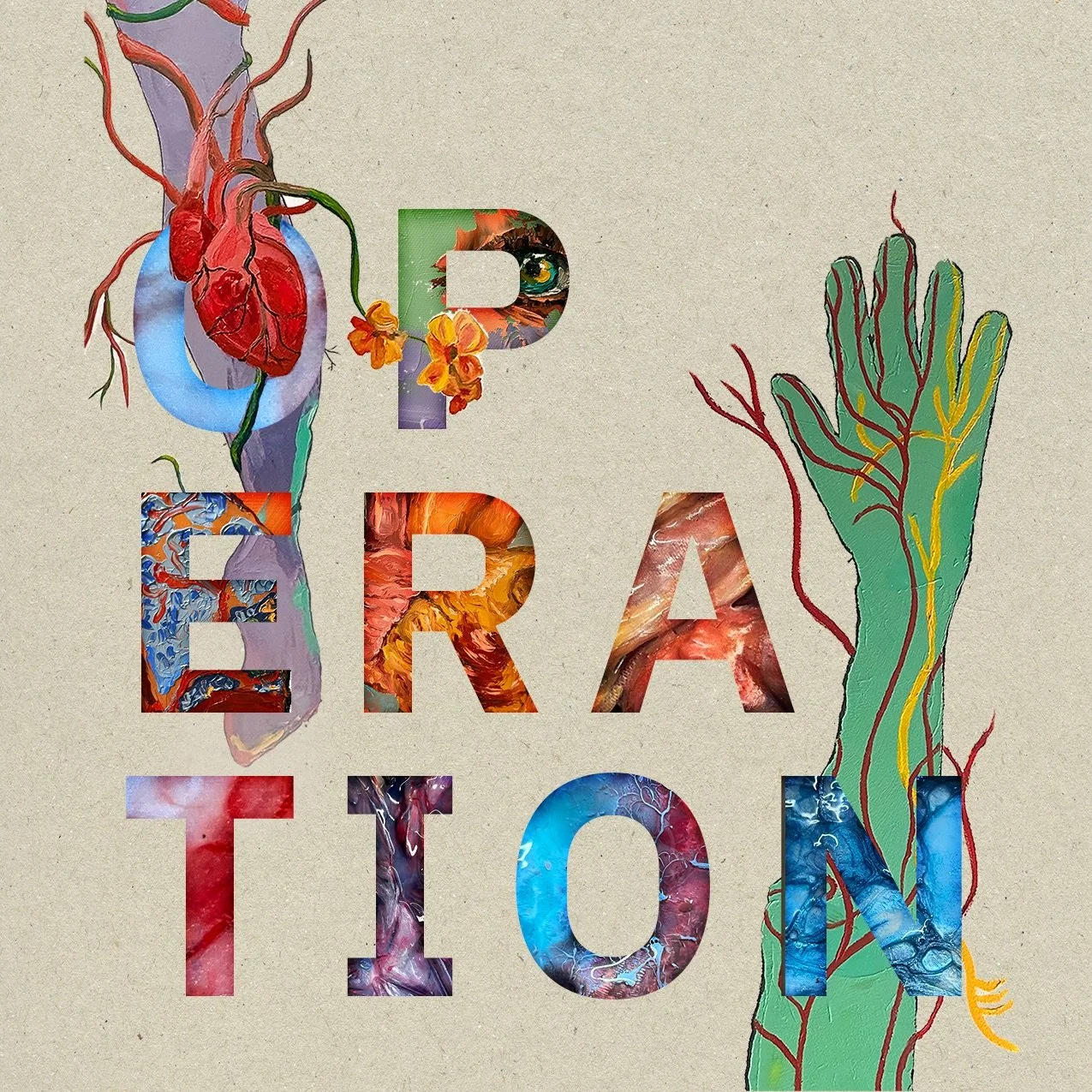
OPERATION
Created by artists Carole Jolly and Zoe McCarthy, “Operation” joins painting, sculpture, and animation to create a responsive environment that guests can explore to express and deepen the connection between their feelings and physiology.
Inspired by artist and counselor Carole Jolly’s self-portrait visualizing grief's impact on the body, the project has expanded to include a variety of emotional experiences. Carole and collaborating artist Zoe McCarthy integrate hand-crafted objects, animation, and sensing technology to create an interactive, multisensory installation. The work invites personal reflection while encouraging broader conversations about how we process feelings, using art as a safe, tactile, and visually engaging path to connect with ourselves and others.
This installation investigates the relationship between our emotions and our anatomy. Most of us sense this connection ("broken heart" "downhearted" "stomach in knots" "gut feeling" "can't catch my breath") but rarely look deeper. Yet across time and different cultures, people have looked inward-to the heart, the liver, the lungs - not only for survival, but for meaning. Emotions have always been more than thoughts in the mind. They are felt, stored, and expressed in the body.
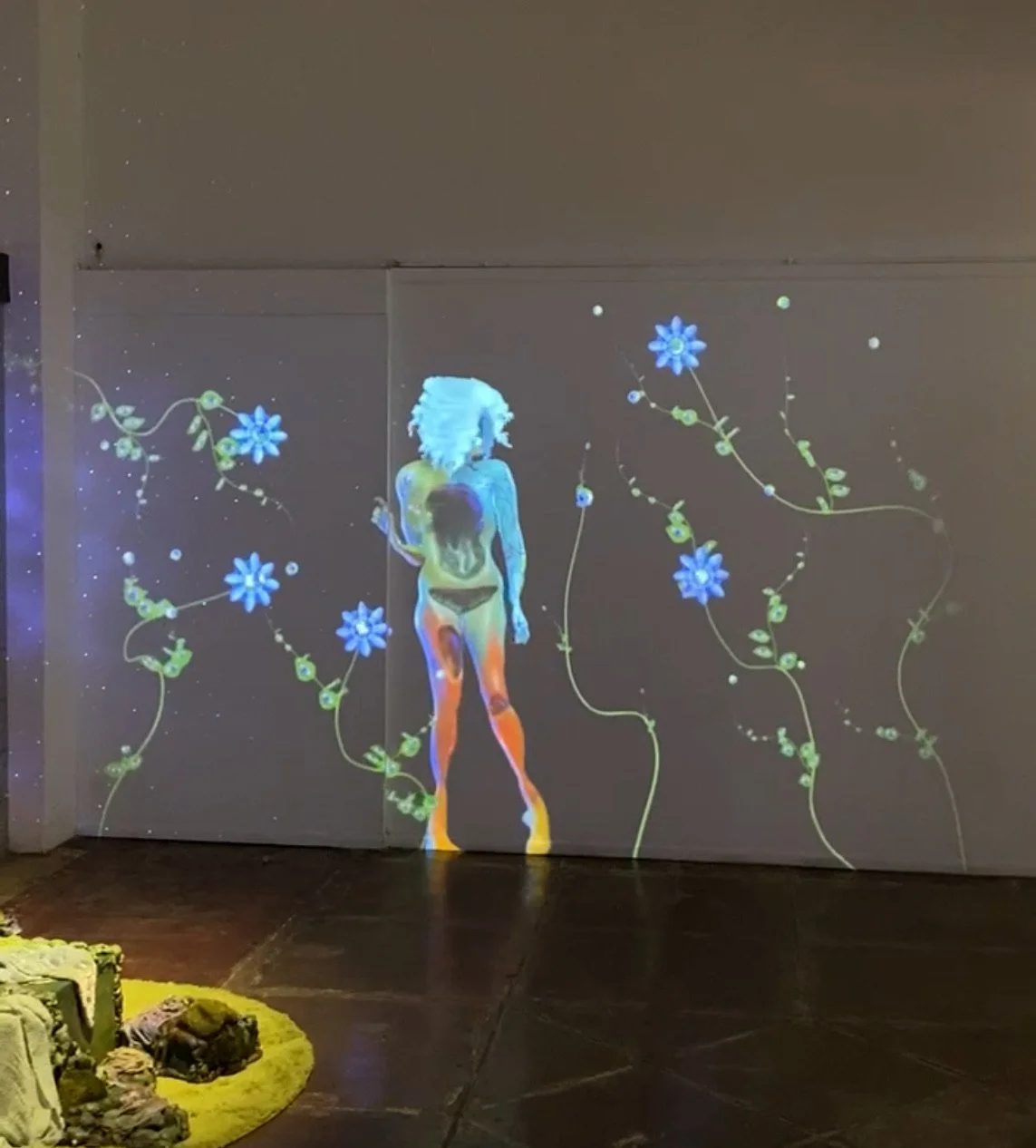
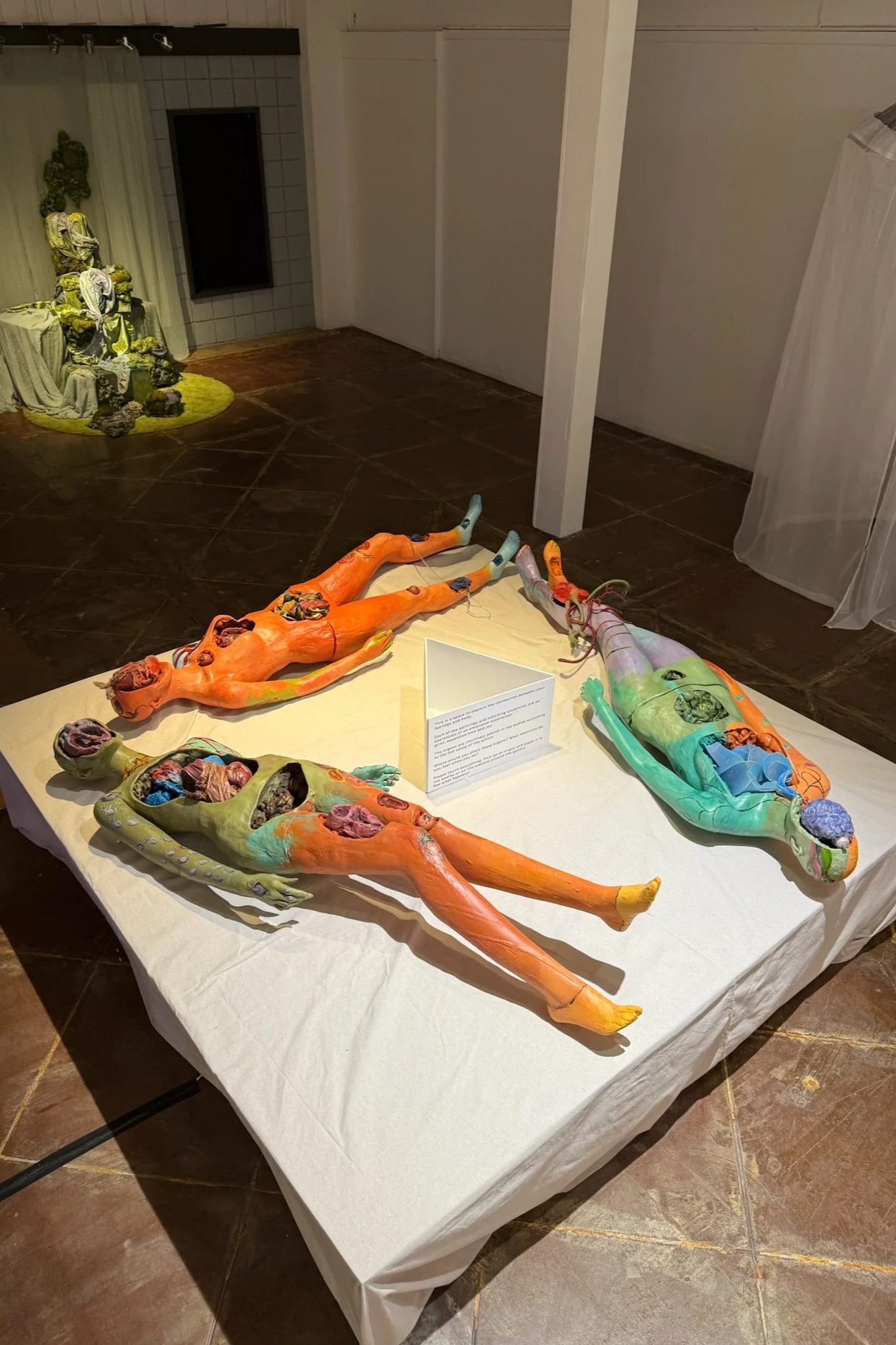
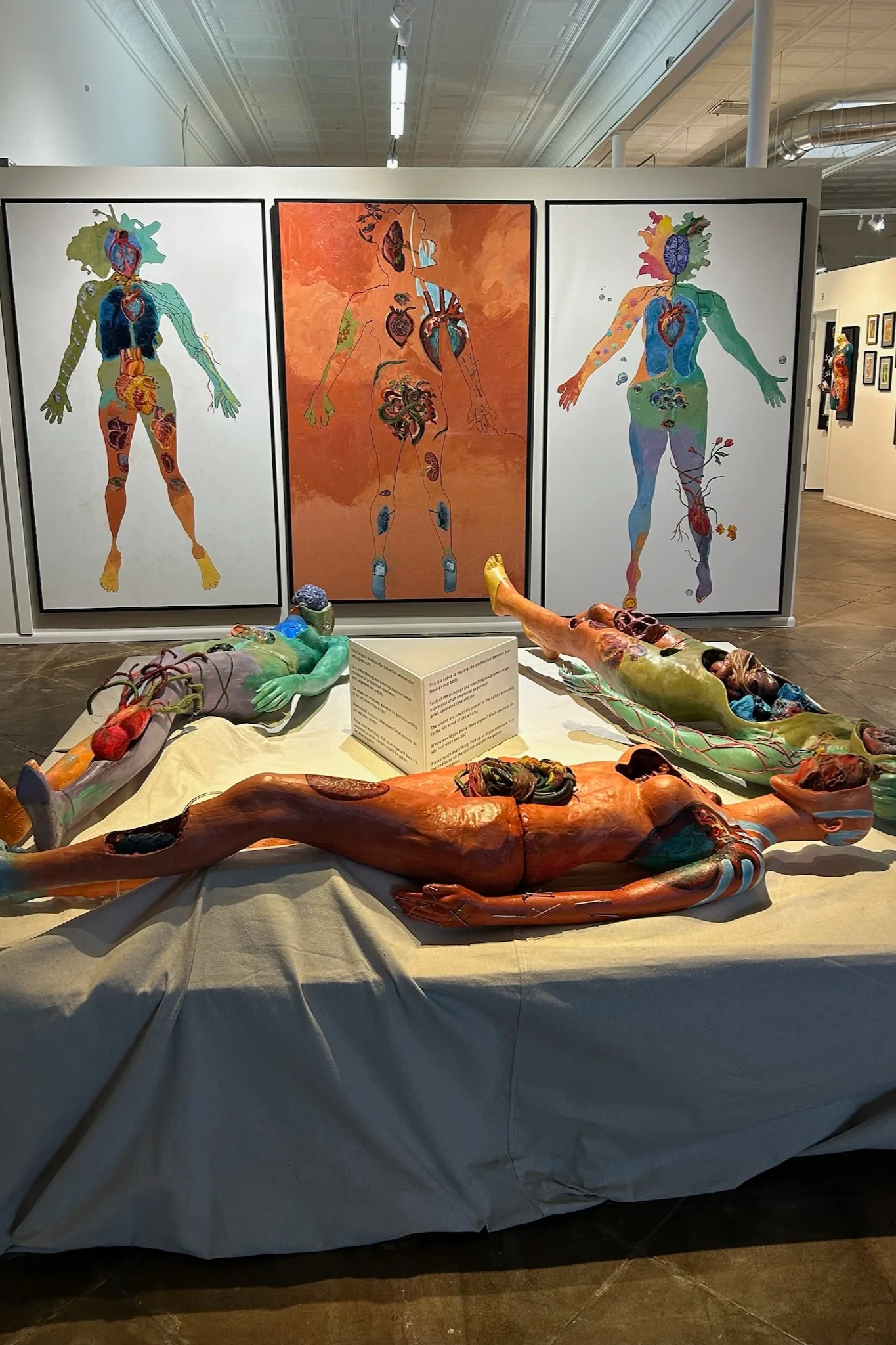
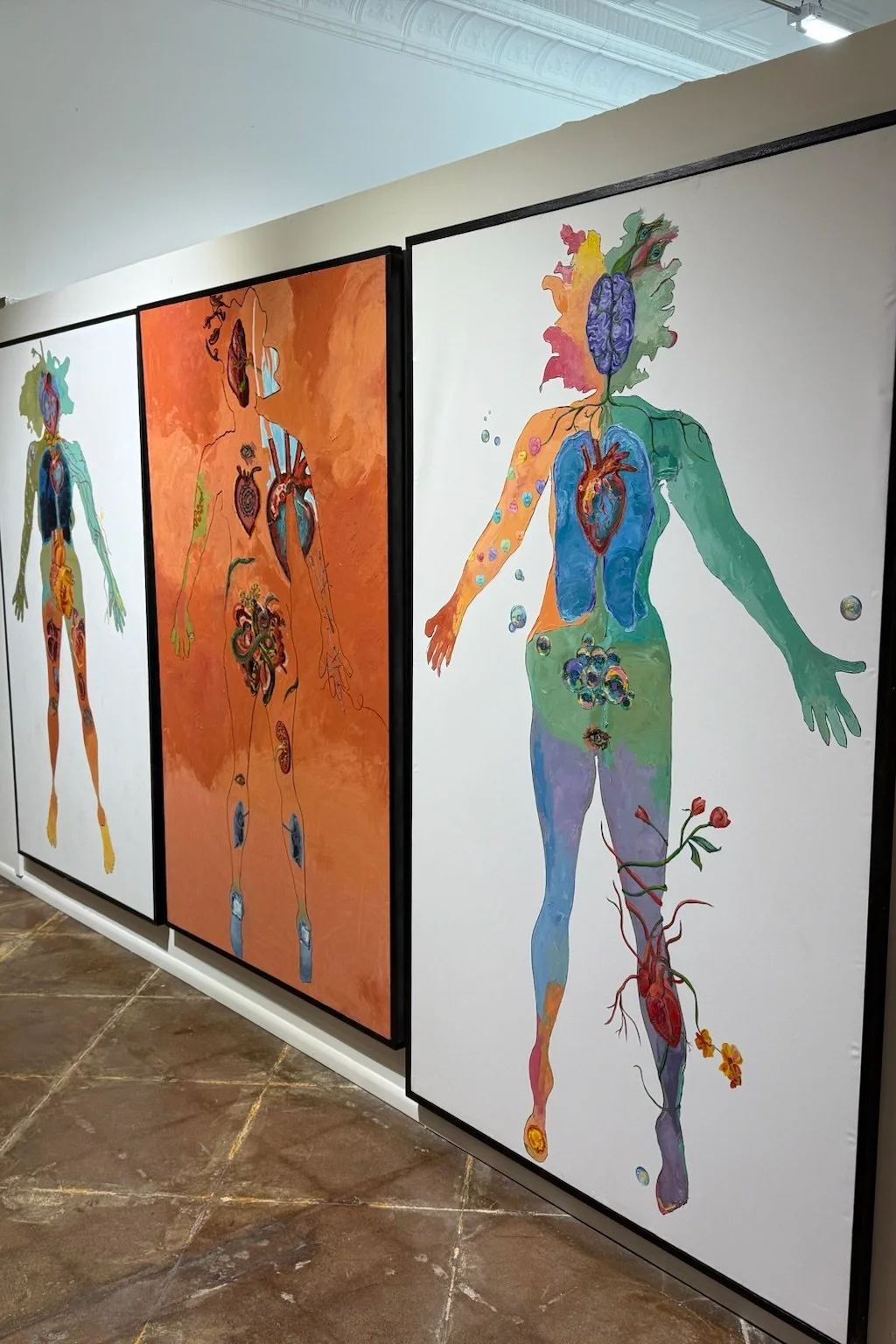
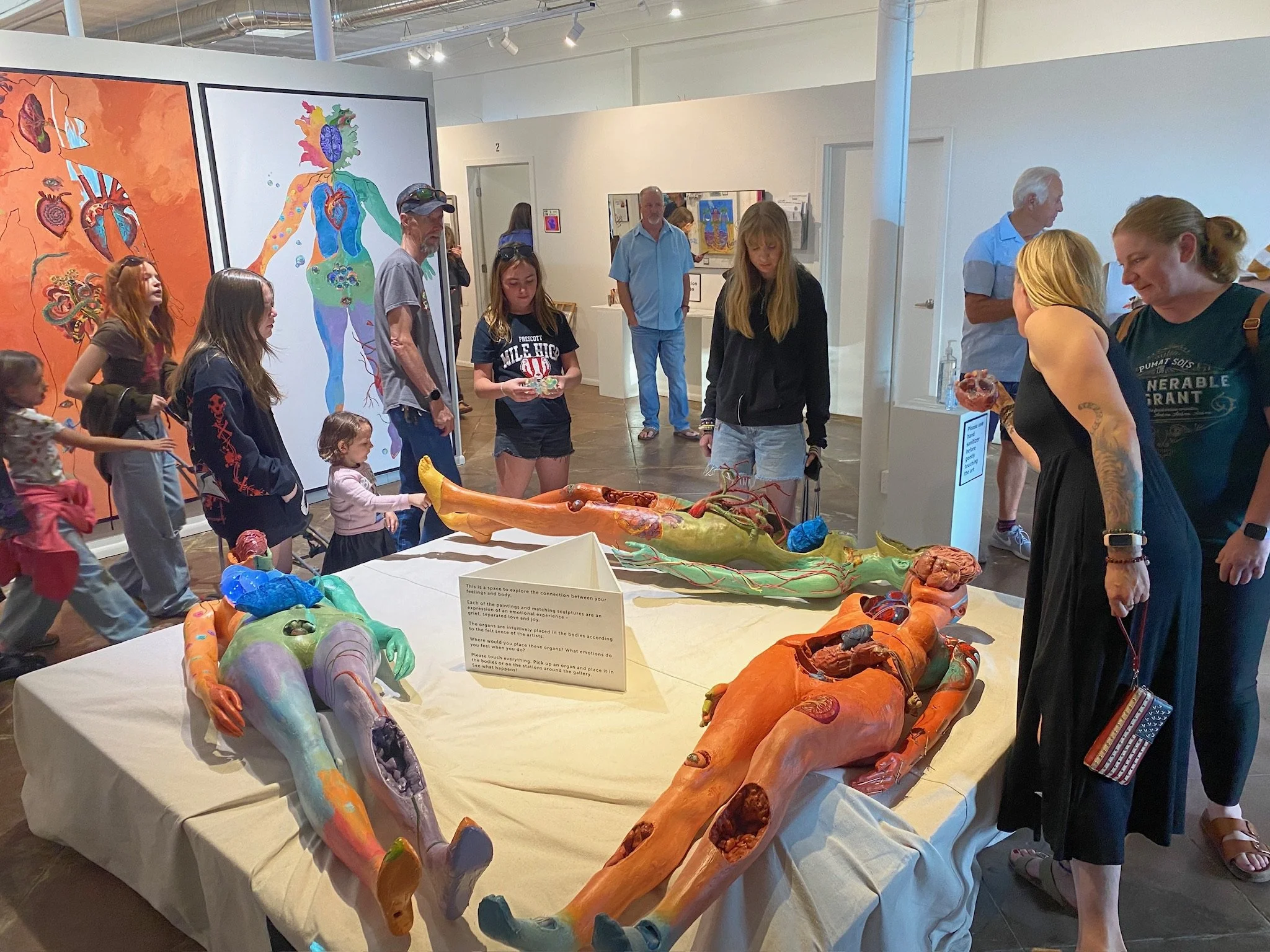
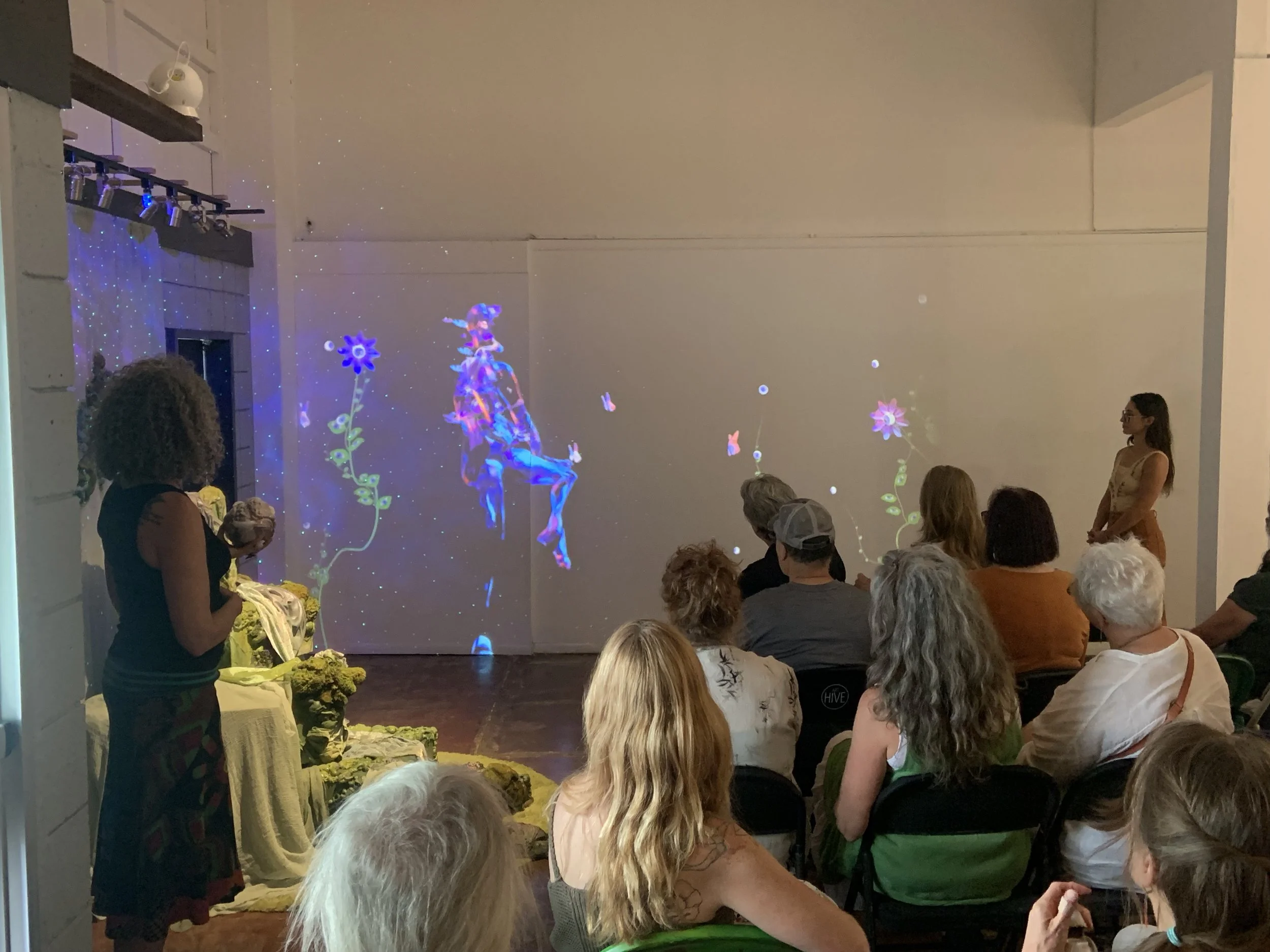
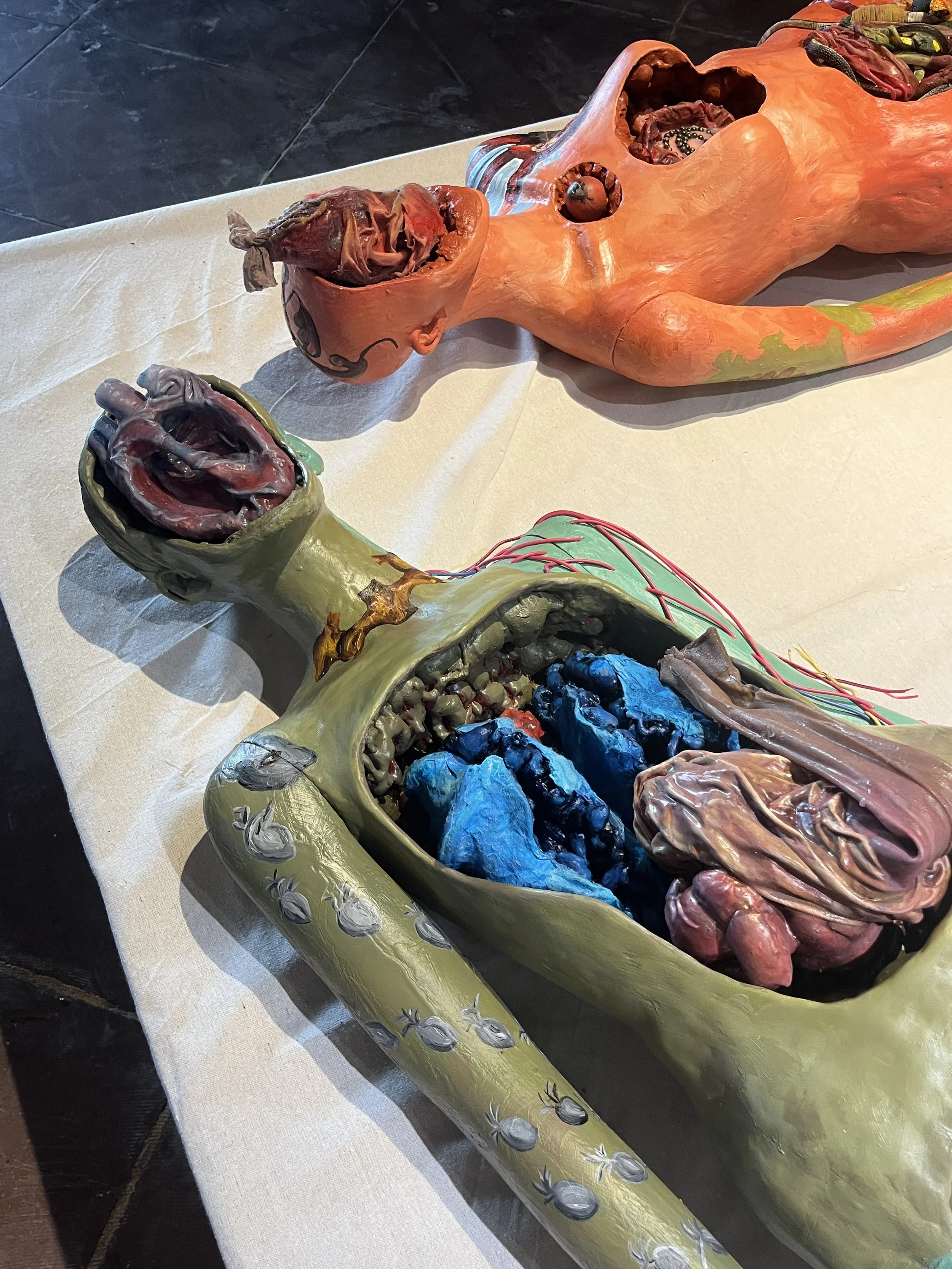
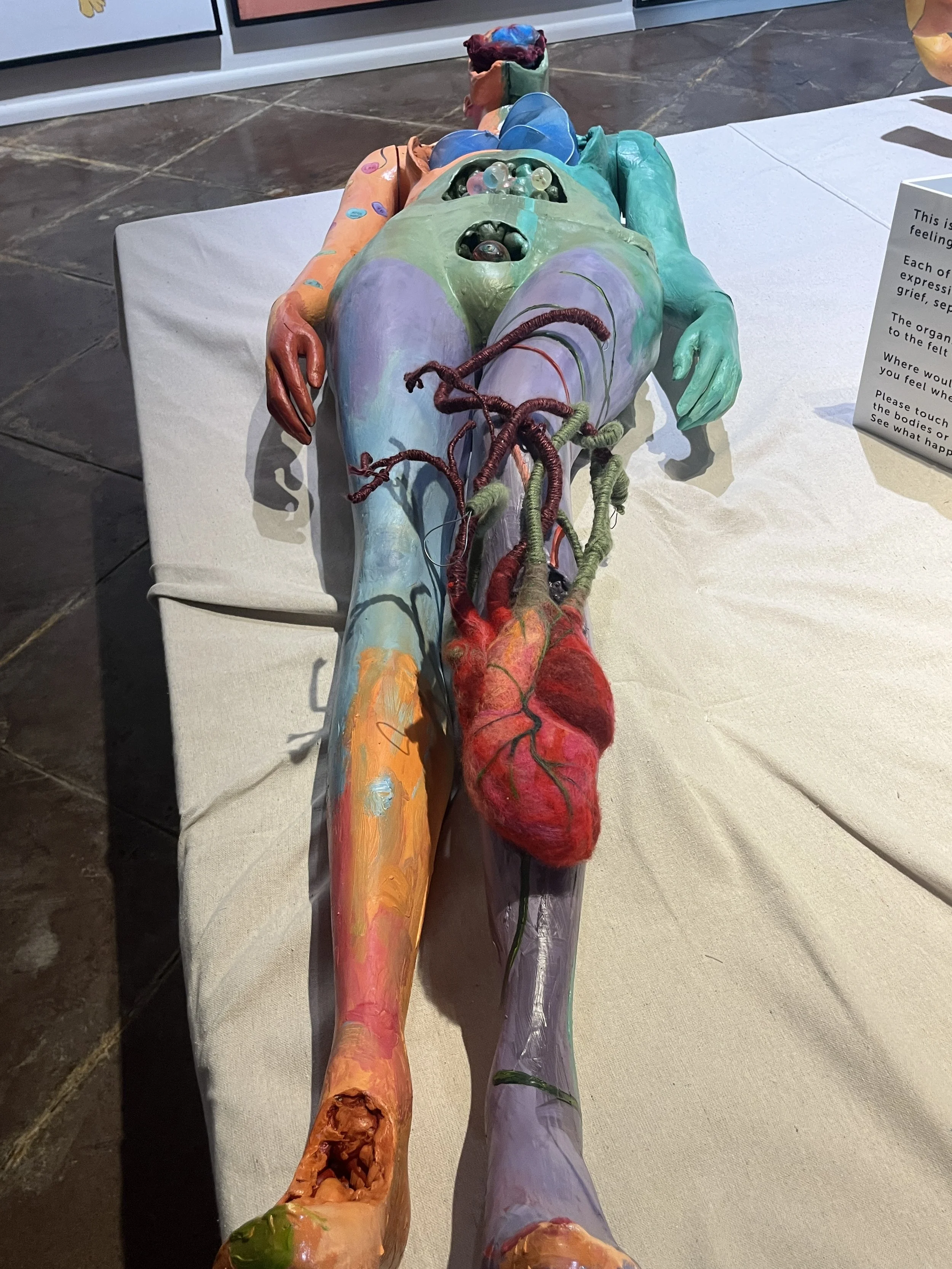
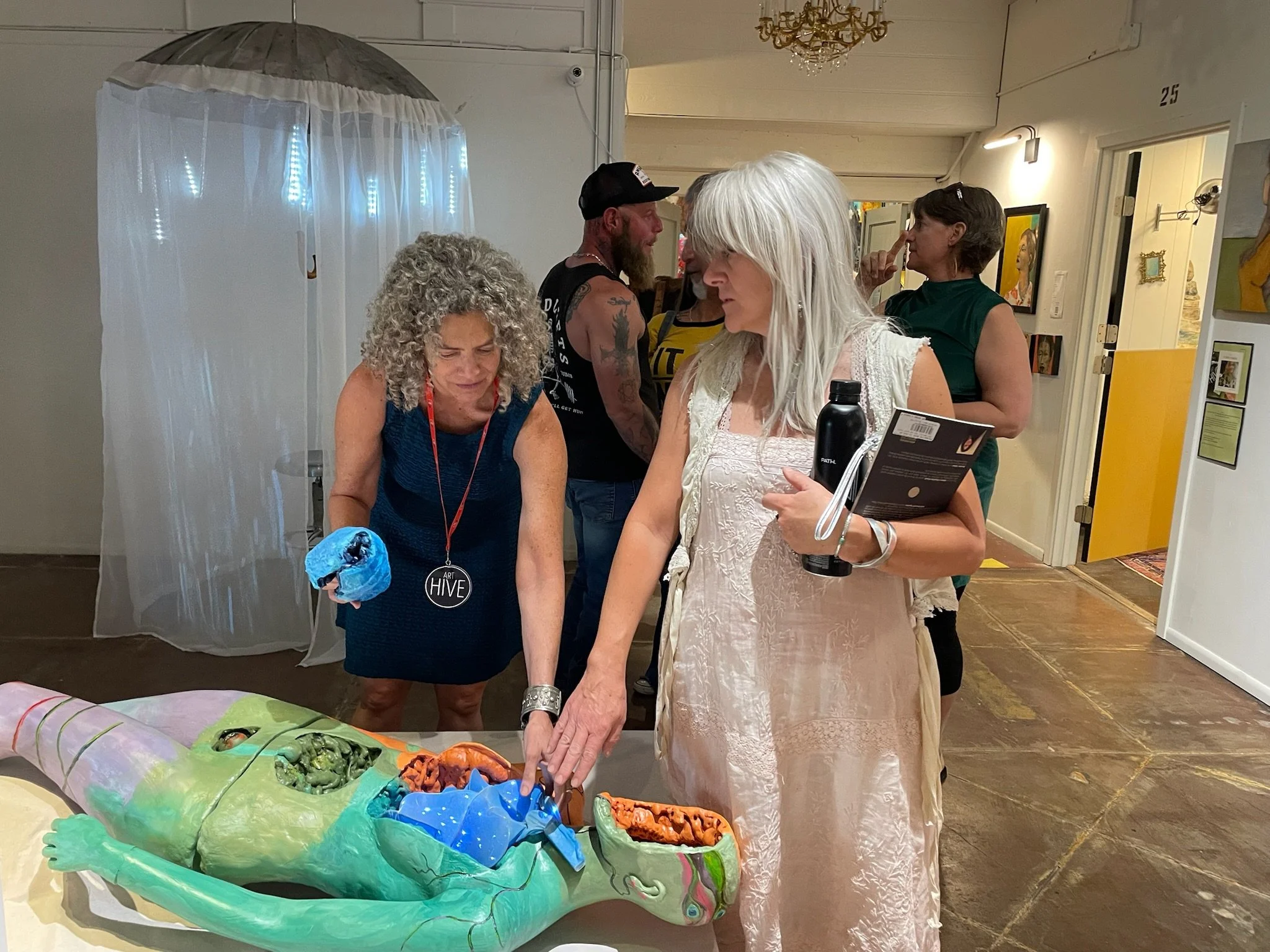
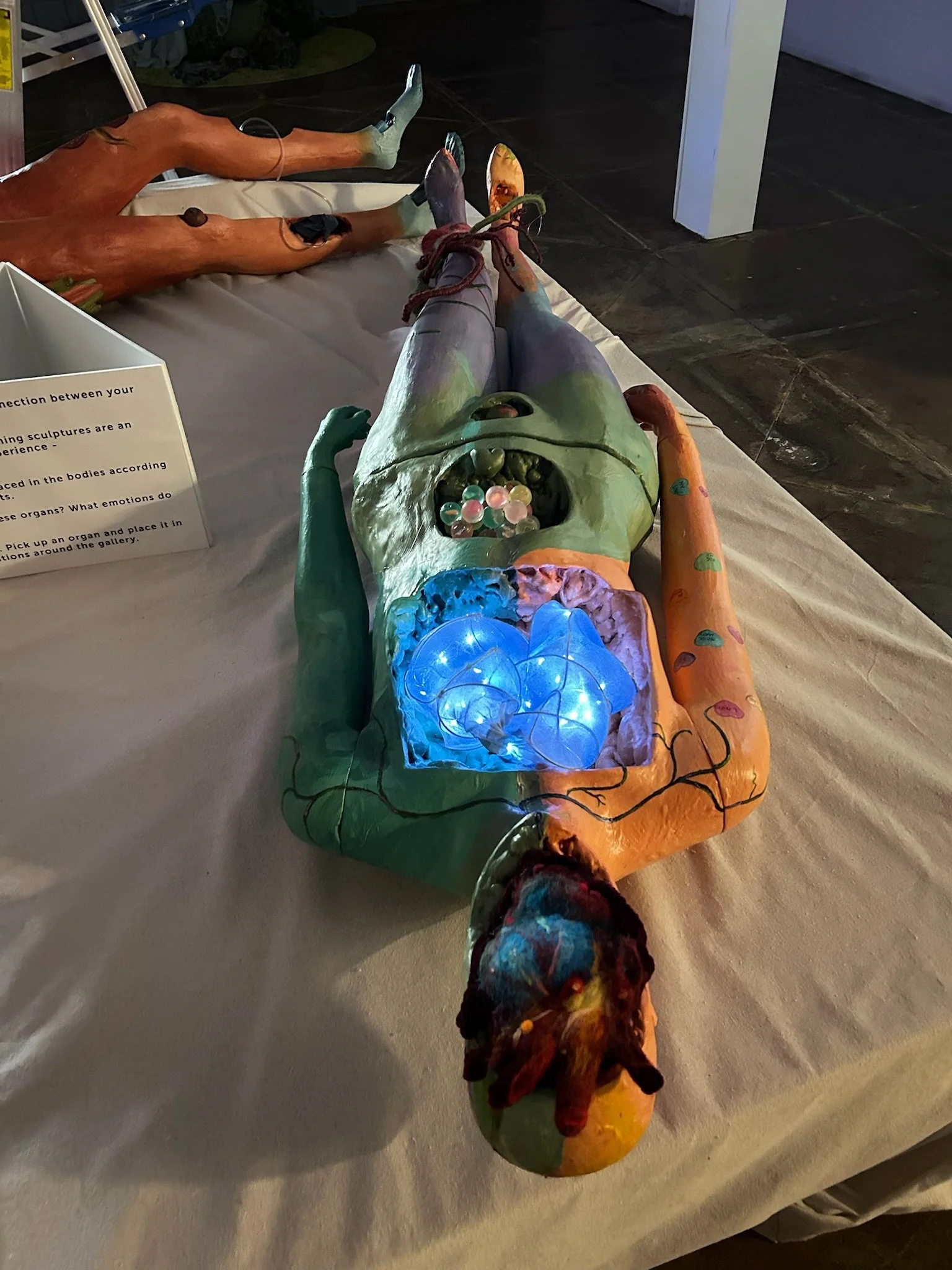
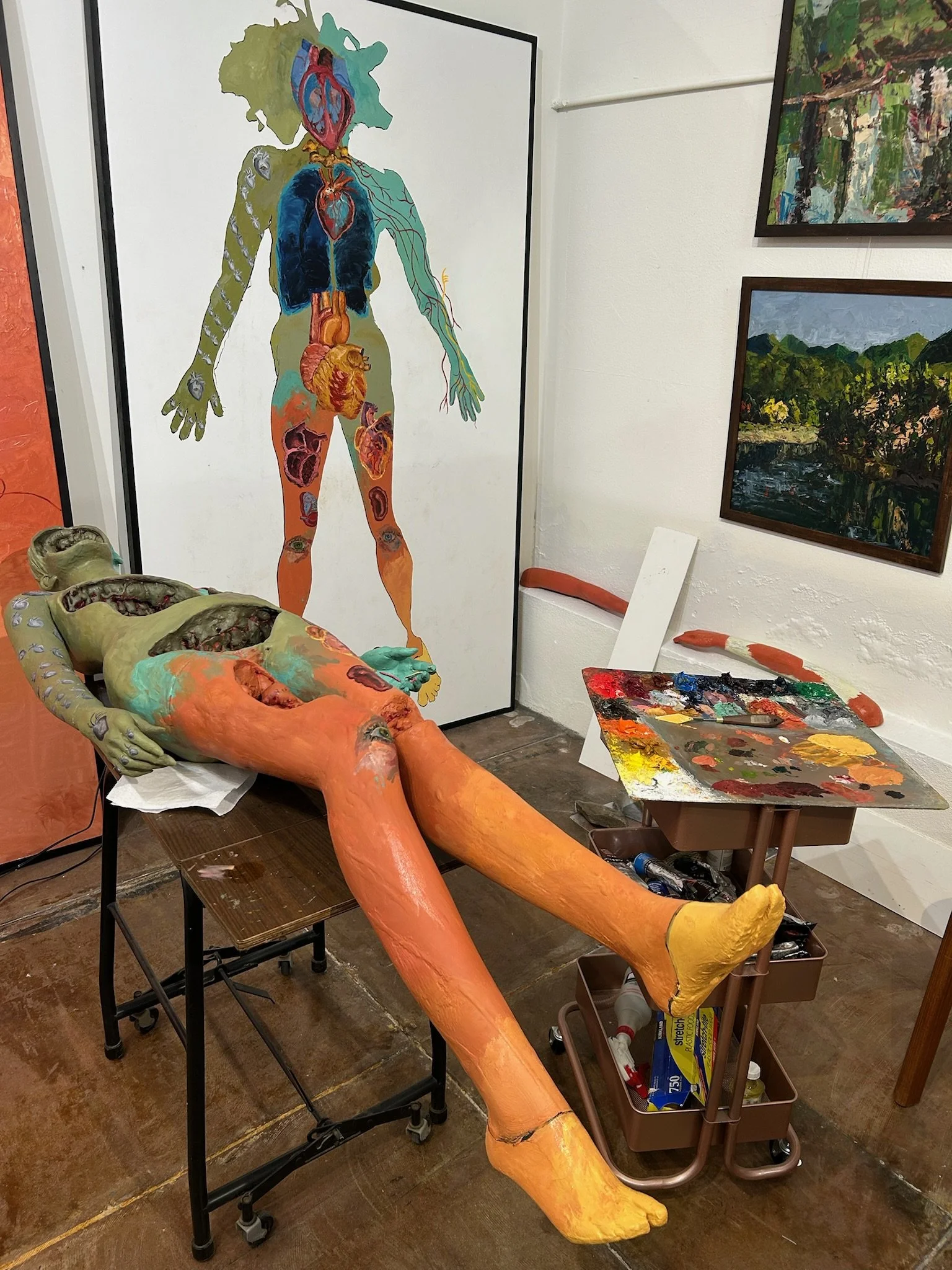
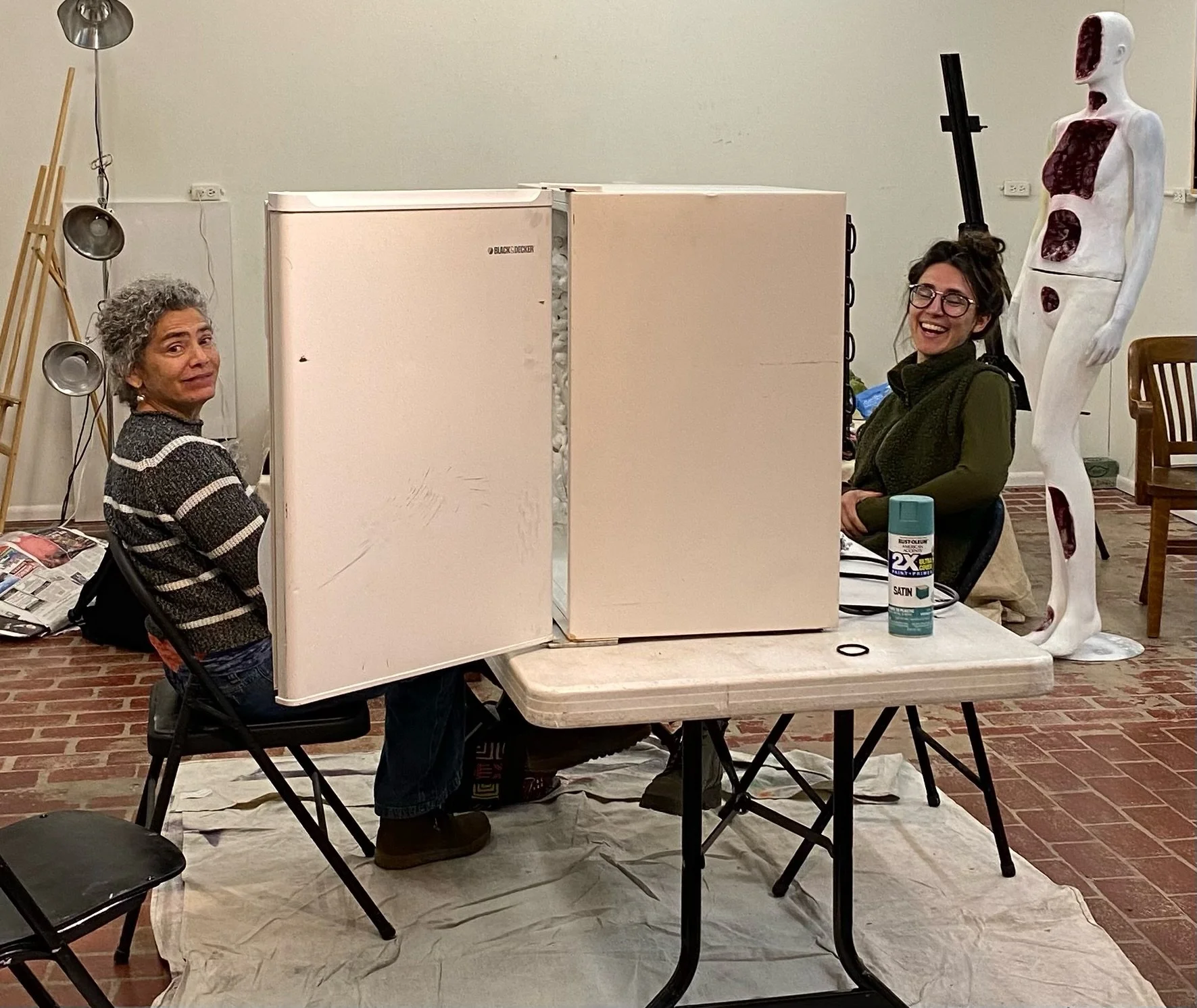
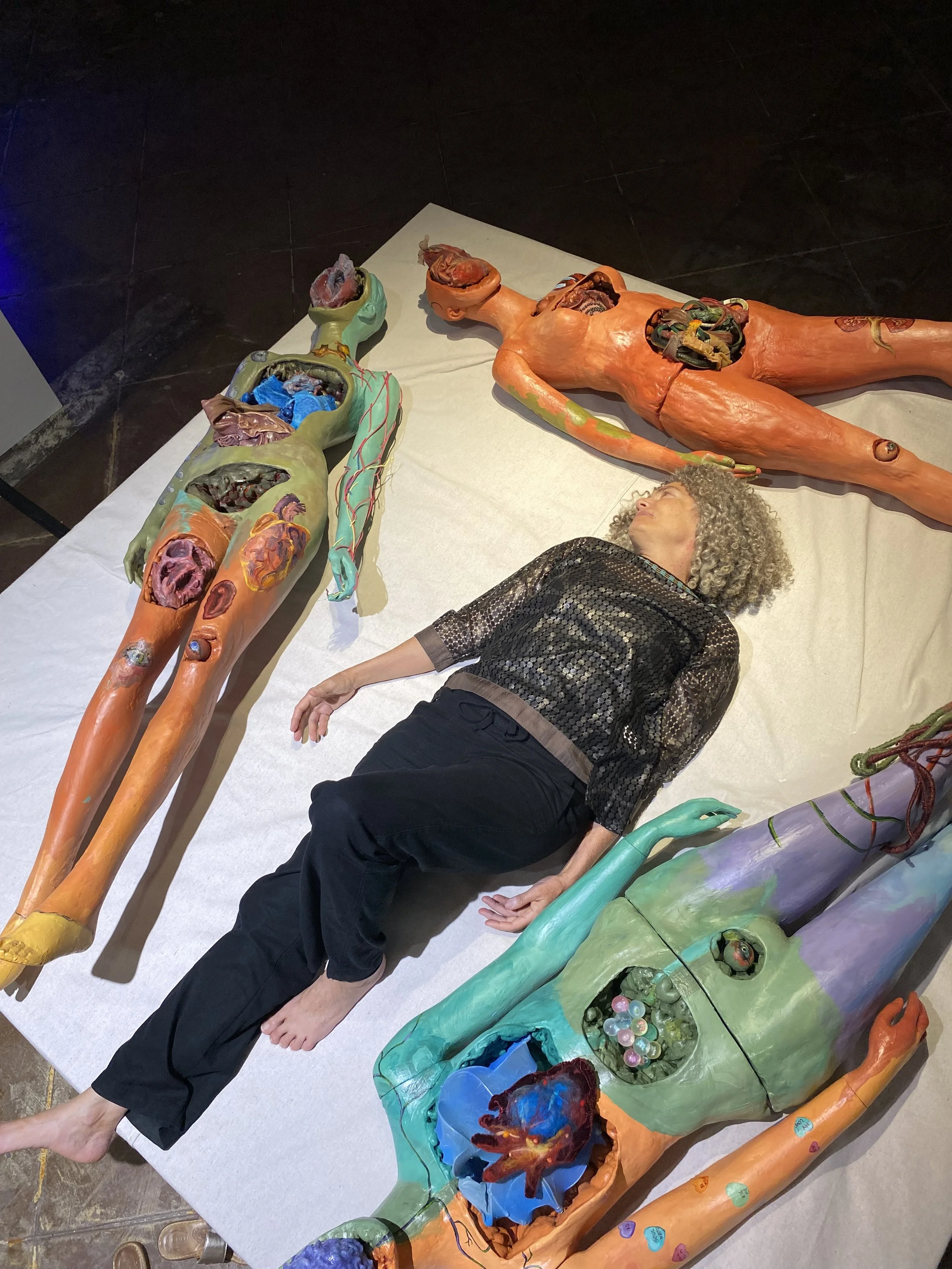
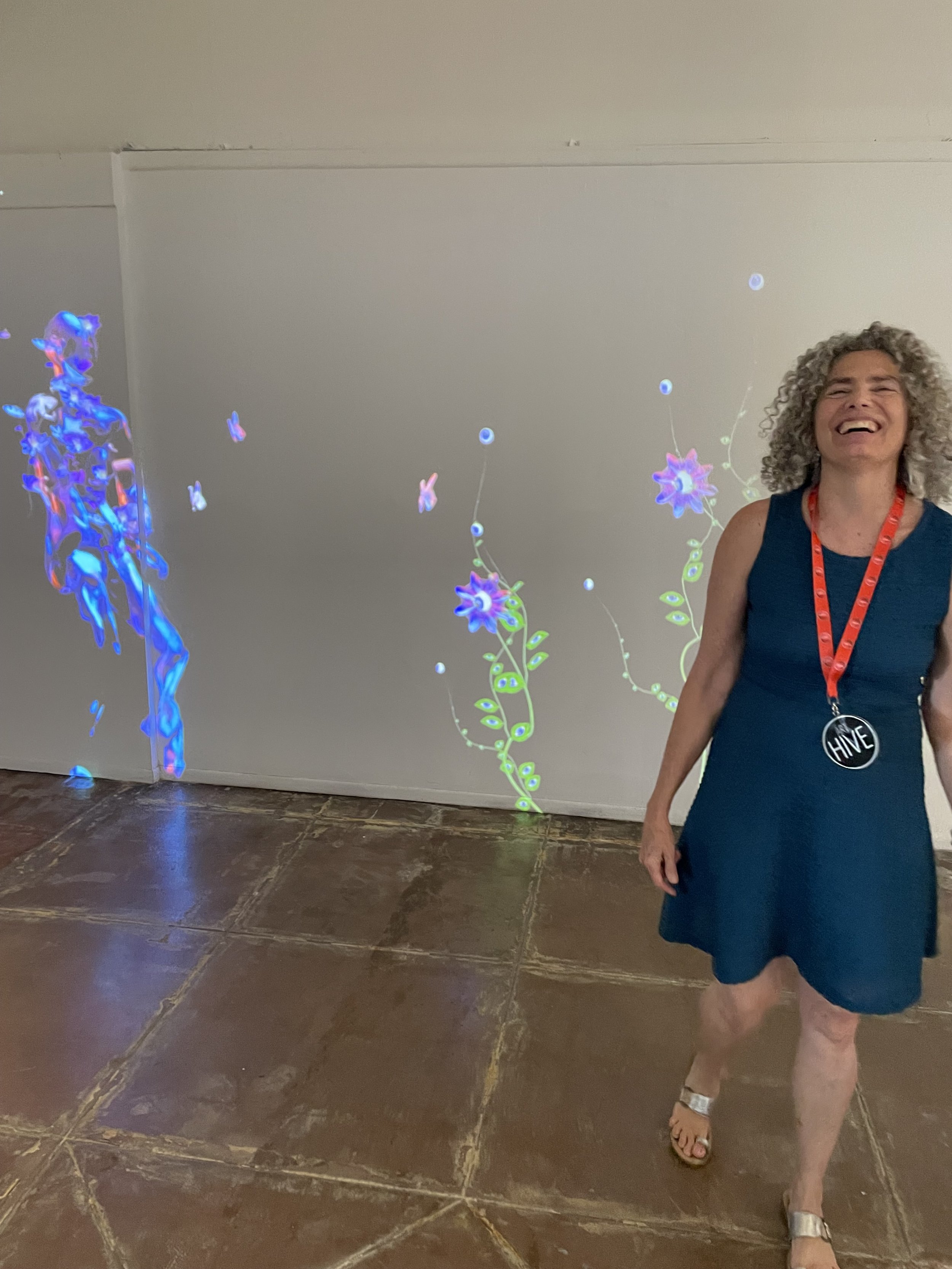
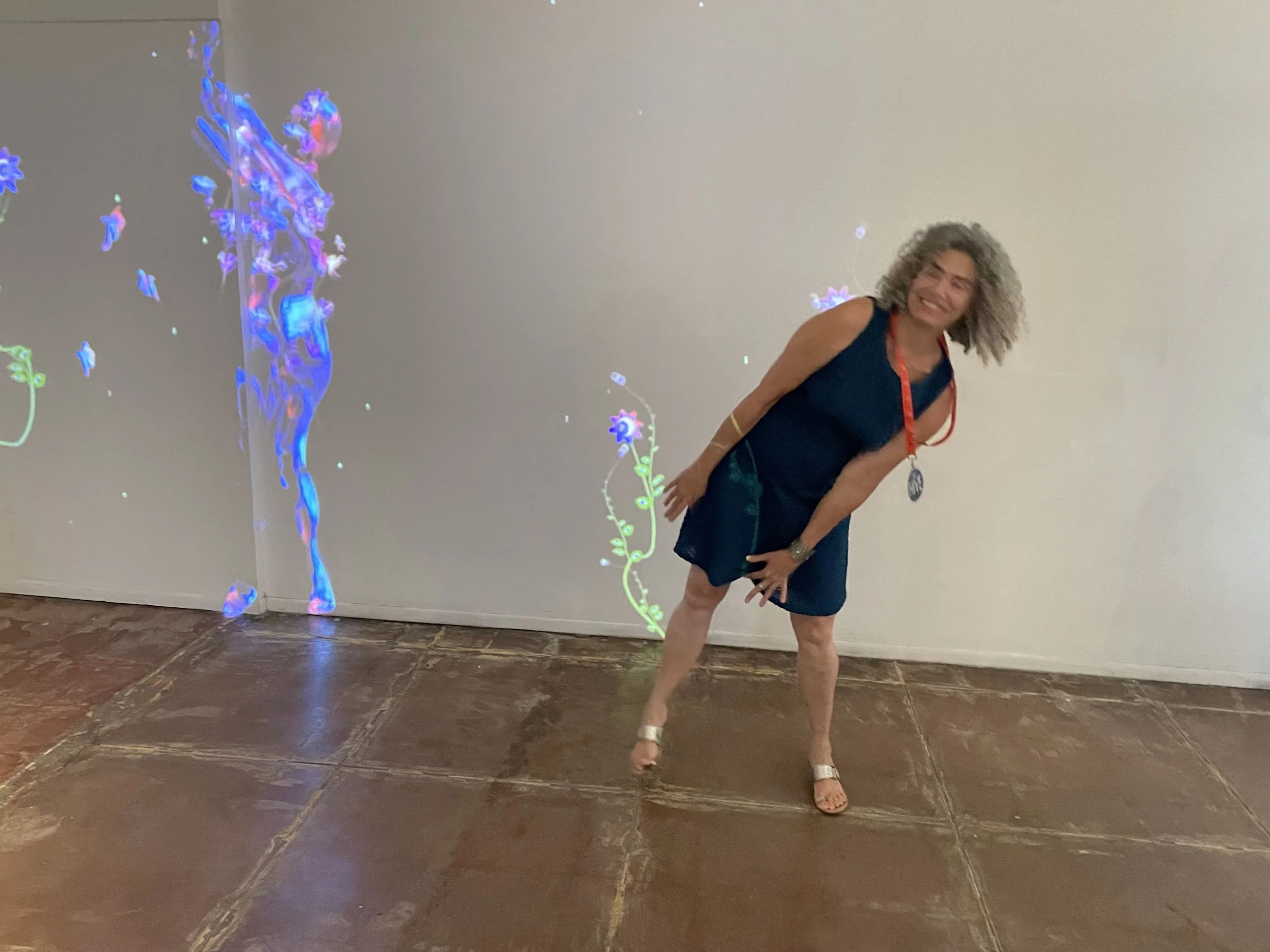
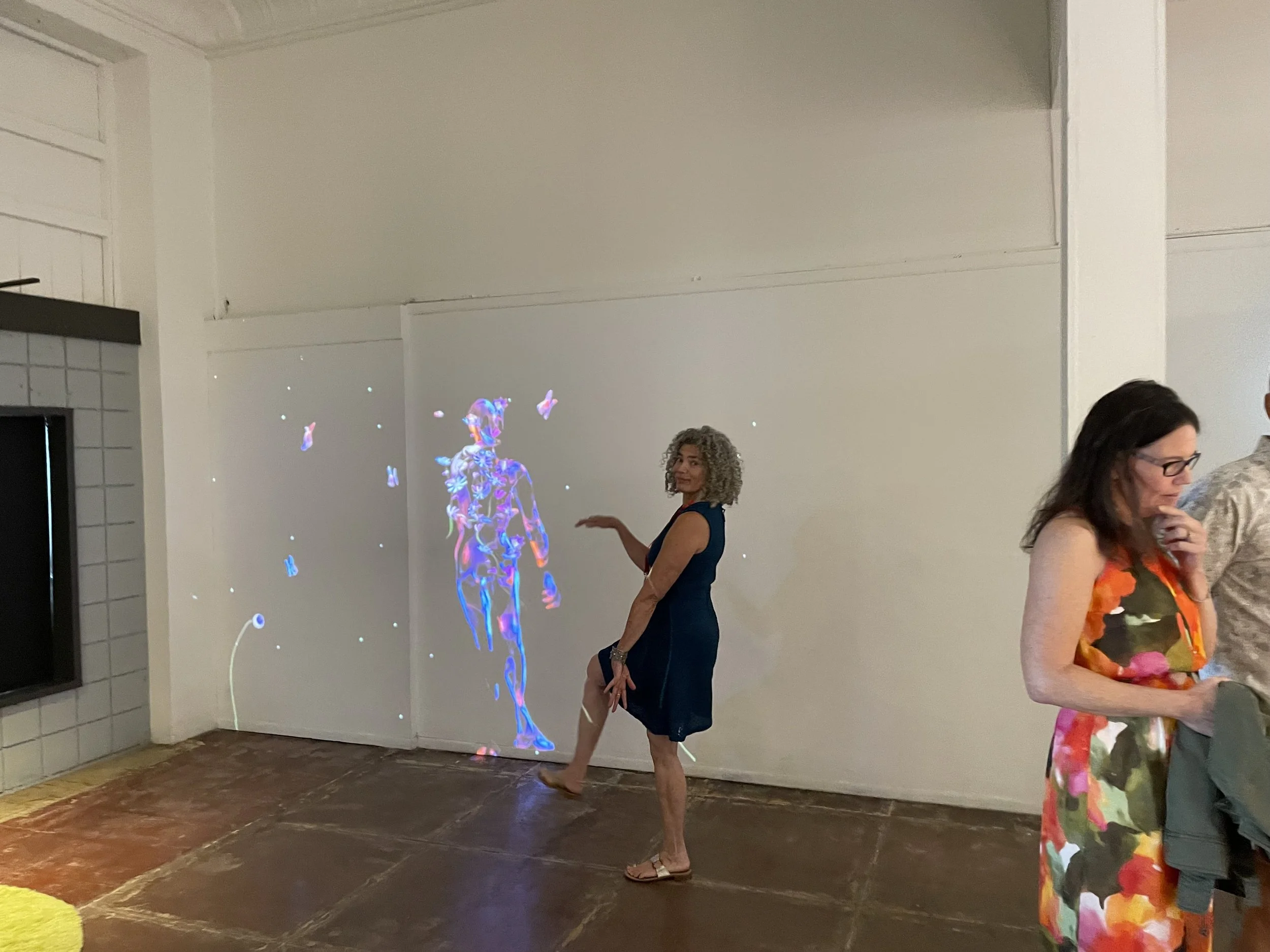
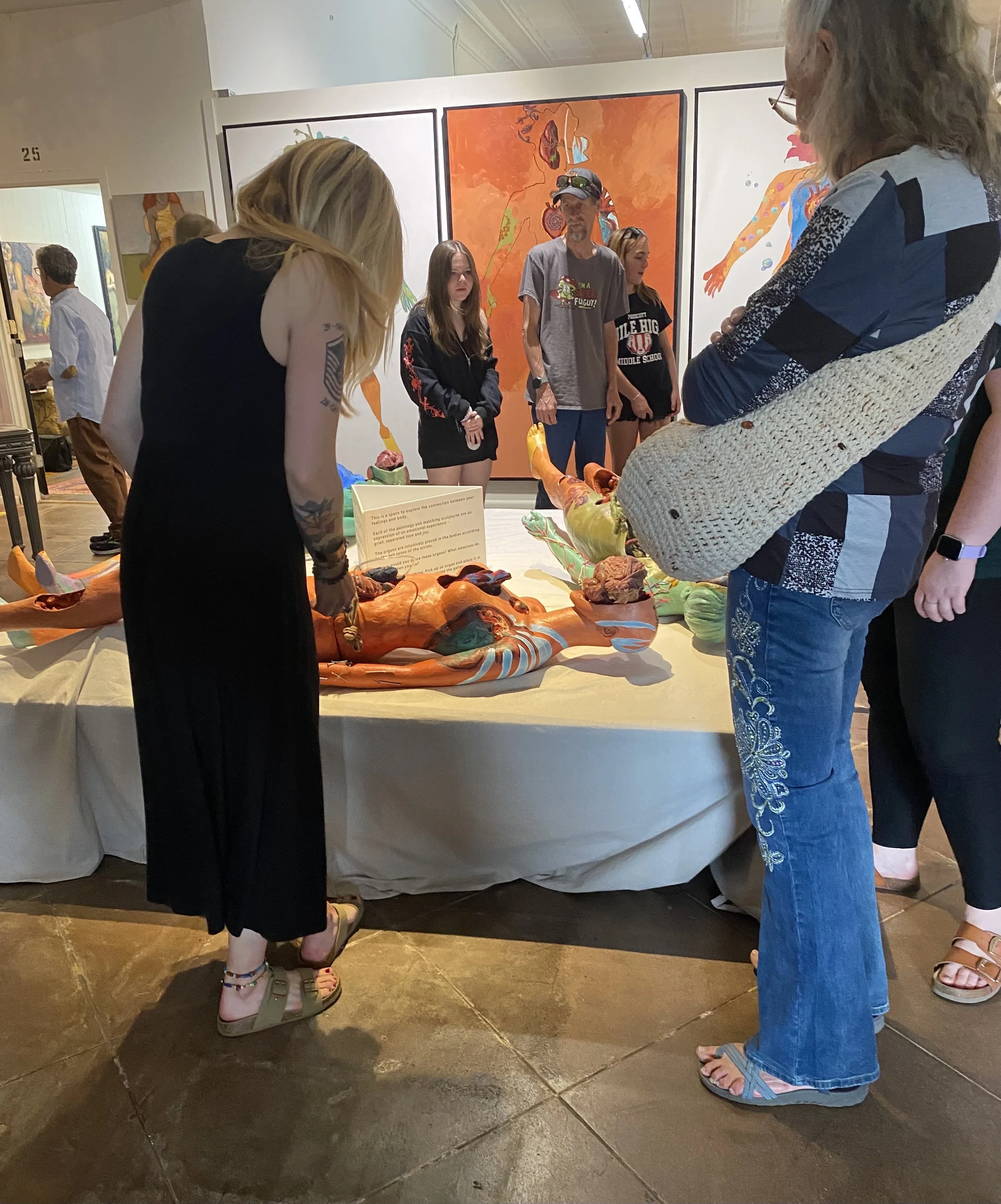
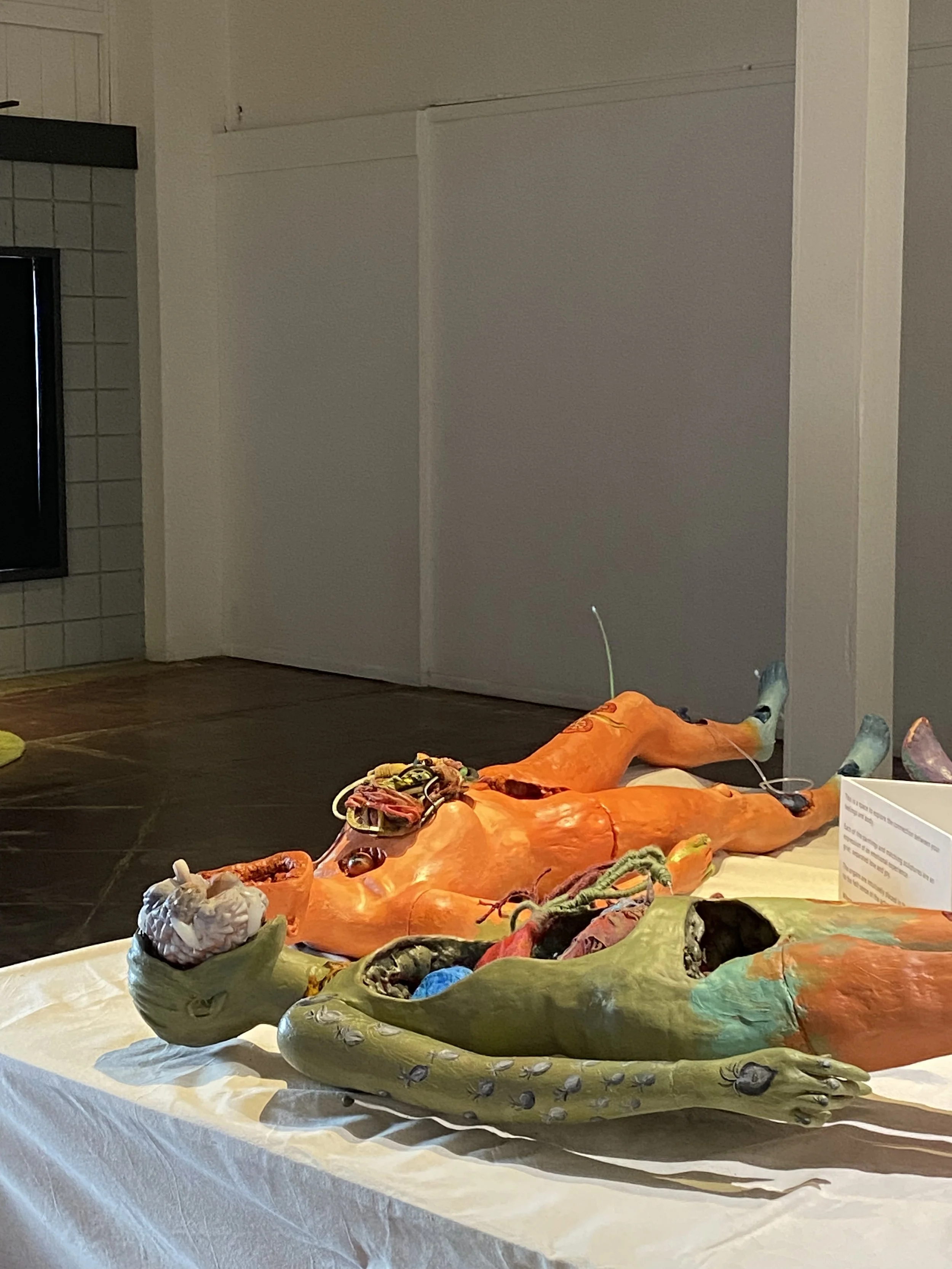
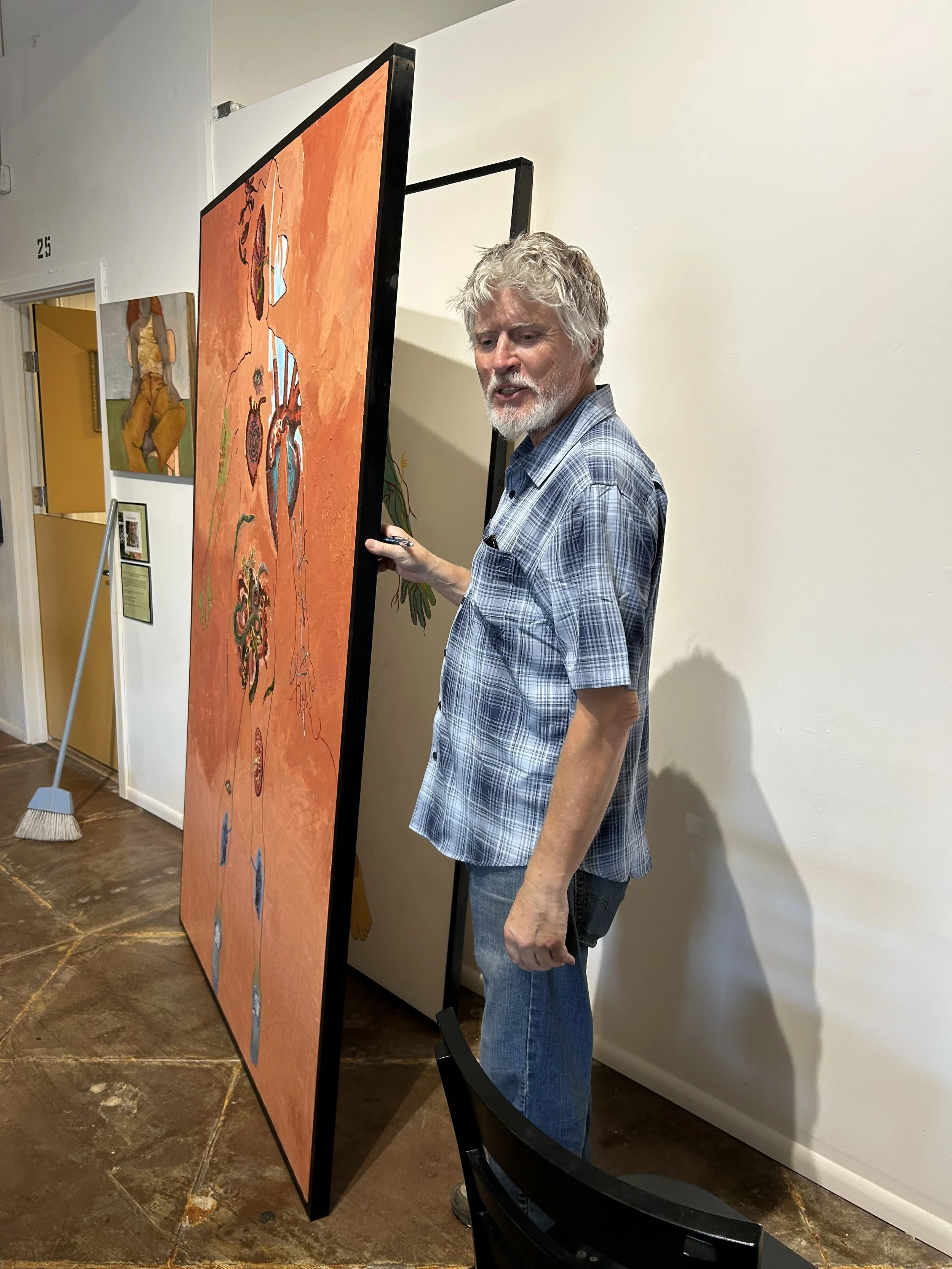
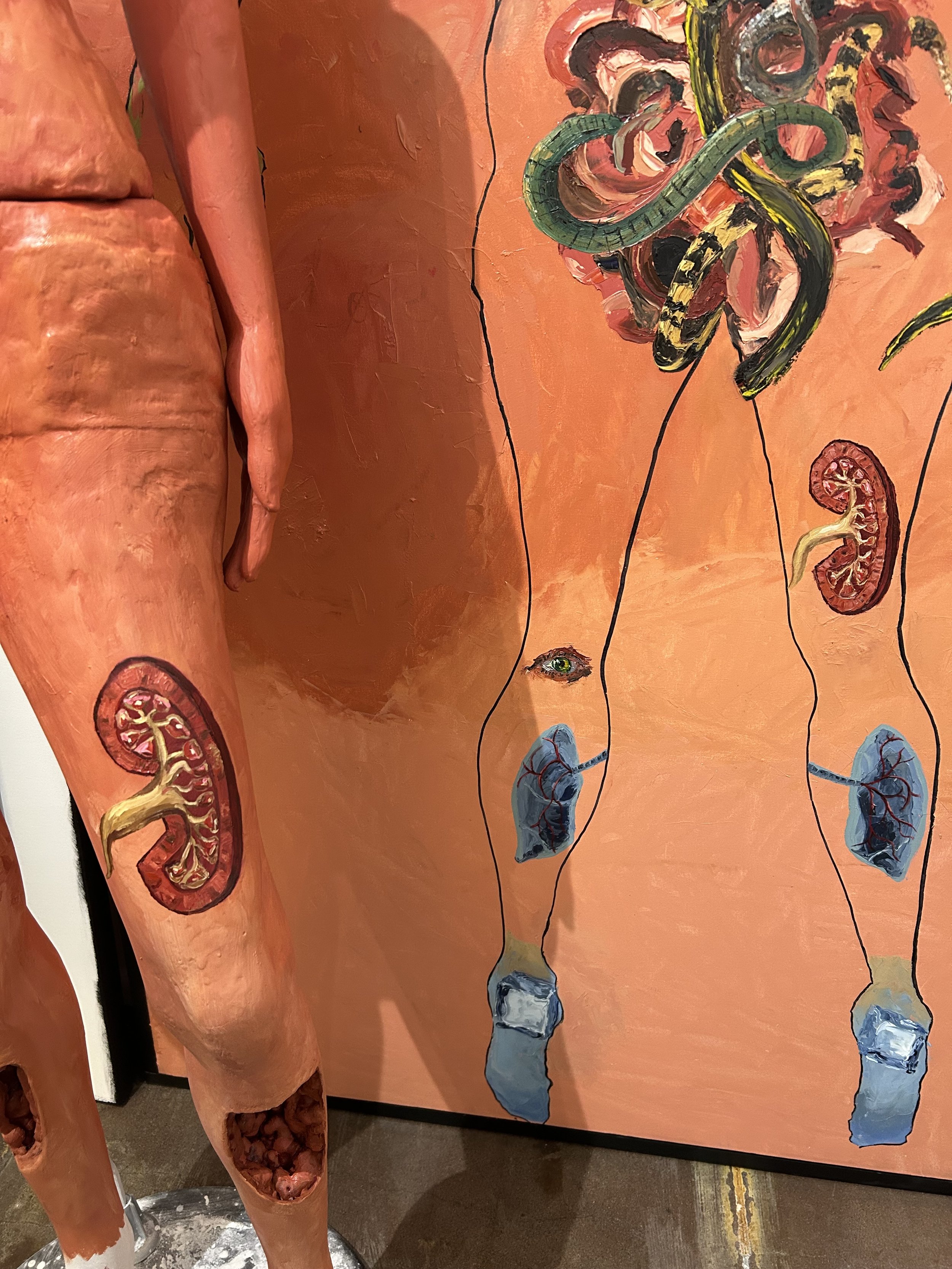
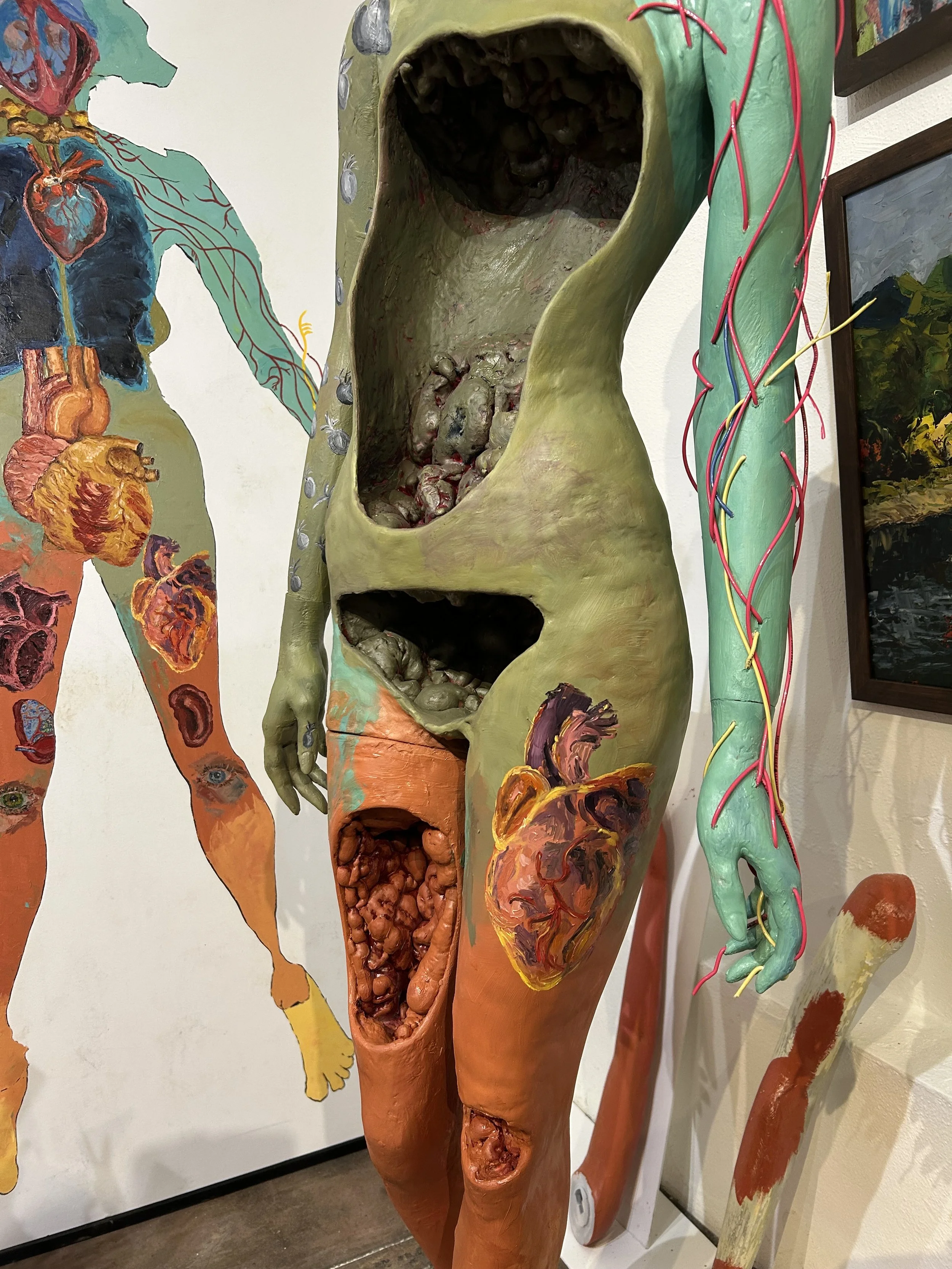
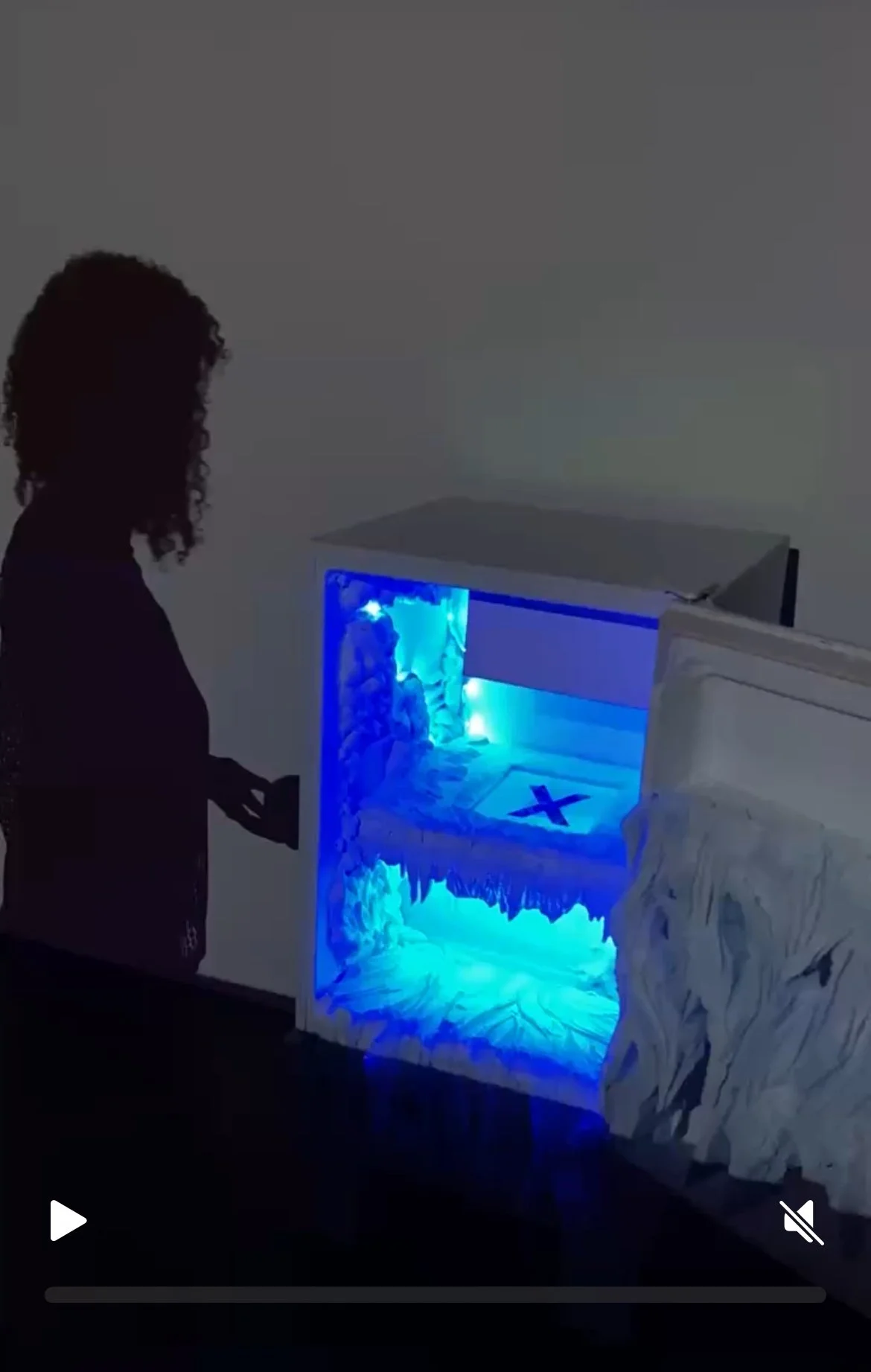
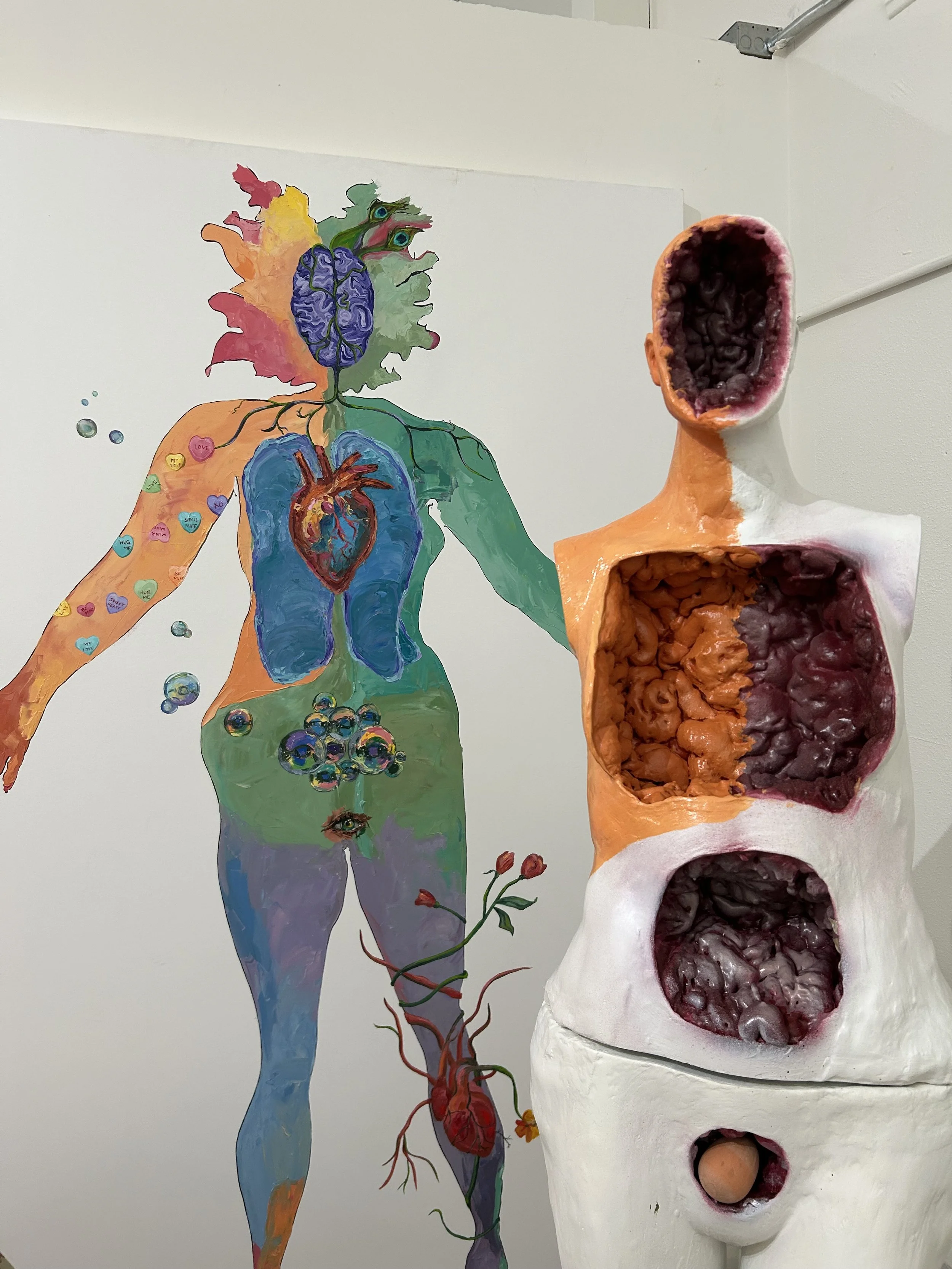
Operation invites visitors to look at these relationships through art and interaction. Artists Carole Jolly and Zoe McCarthy explore these concepts through a unique form of storytelling that visualizes three emotional experiences as three distinct figures, featuring organs in various states that highlight the mind-body connection. To emphasize the multifaceted nature of emotions and increase interactivity, the artists have depicted these figures in various mediums. Upon entering the exhibit, visitors encounter the figures as 7 ft paintings and life-sized sculptures with cavities filled with mixed media organs. People are invited to touch and rearrange these organ-like forms within the figures or to take them to various emotional coping stations around the room, prompting reflection on how we manage our emotional world. Placing certain organs on the stations will trigger projections that convey internal narratives. For example, a visitor placing a grieving heart in a freezer prompts an animation of the corresponding figure turning to ice, symbolizing what it's like to freeze one's heart out. Someone placing a joyful heart in nature precipitates an animation of interpretive dance and connection with the natural world.
Project Credits
-
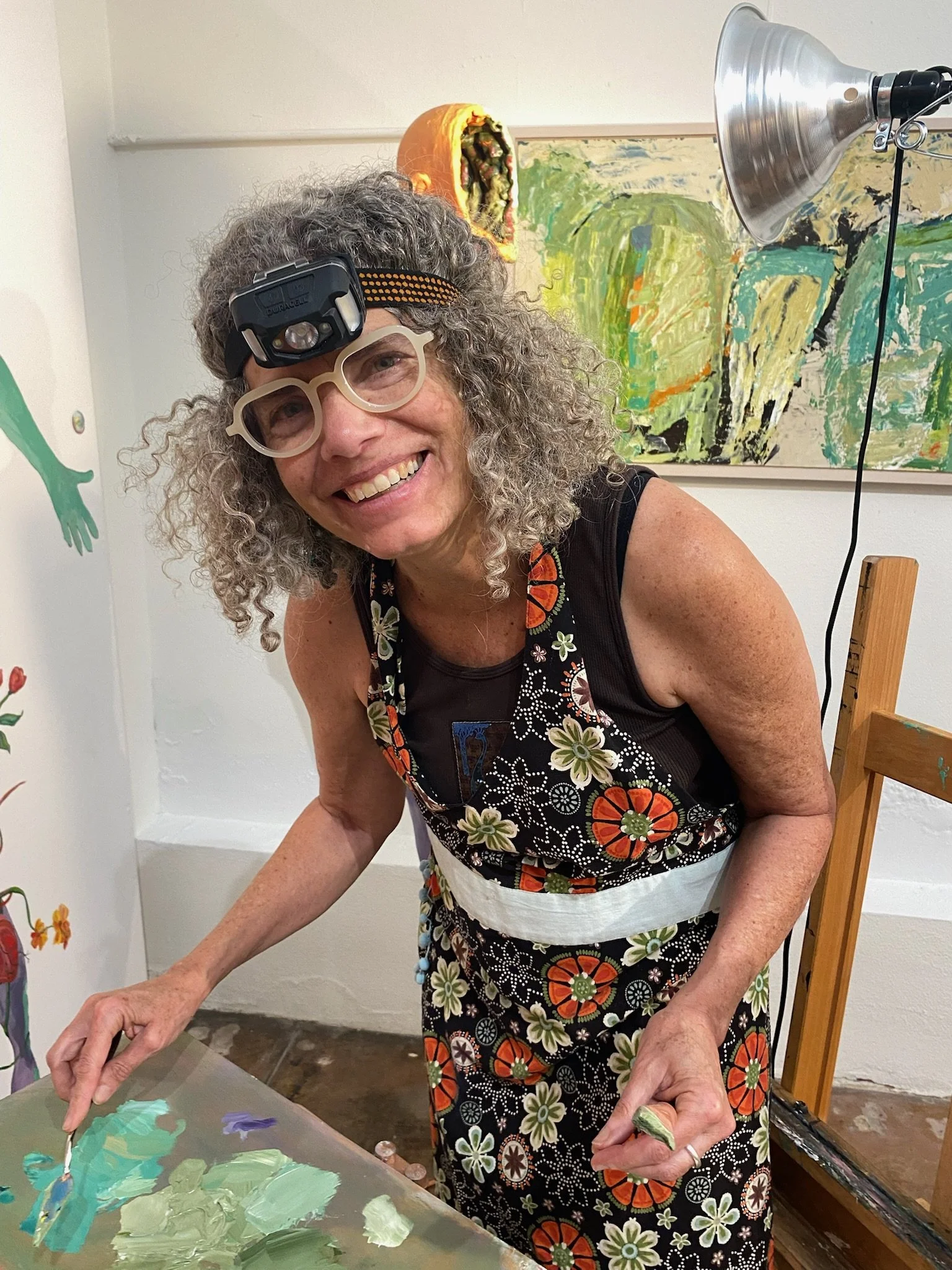
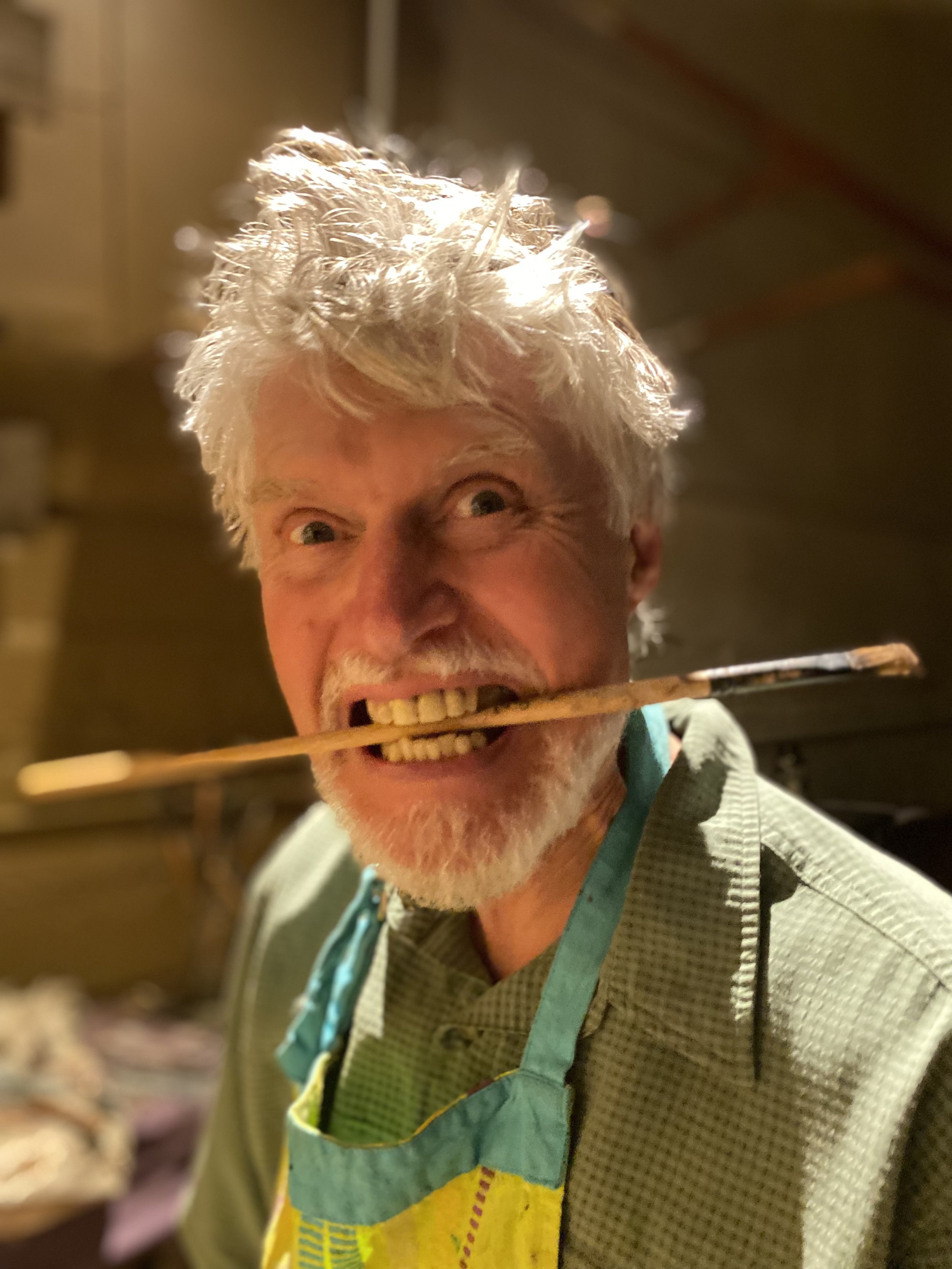
Carole brings skills in visual art and emotional understanding. She is a long-time painter and mainly works with oils and palette knife. She is based in Prescott, AZ, and has shown her work in galleries and other venues in Arizona and North Carolina. Carole has her Master’s Degree in Clinical Social Work and has worked in the psychological field, including private practice and hospice for over 20 years.
Zoe is a multimedia artist and experiential designer based in Philadelphia, originally from the DC area. Her work centers on the creation of responsive environments - immersive, multisensory spaces that bridge art, technology, and human experience.
-
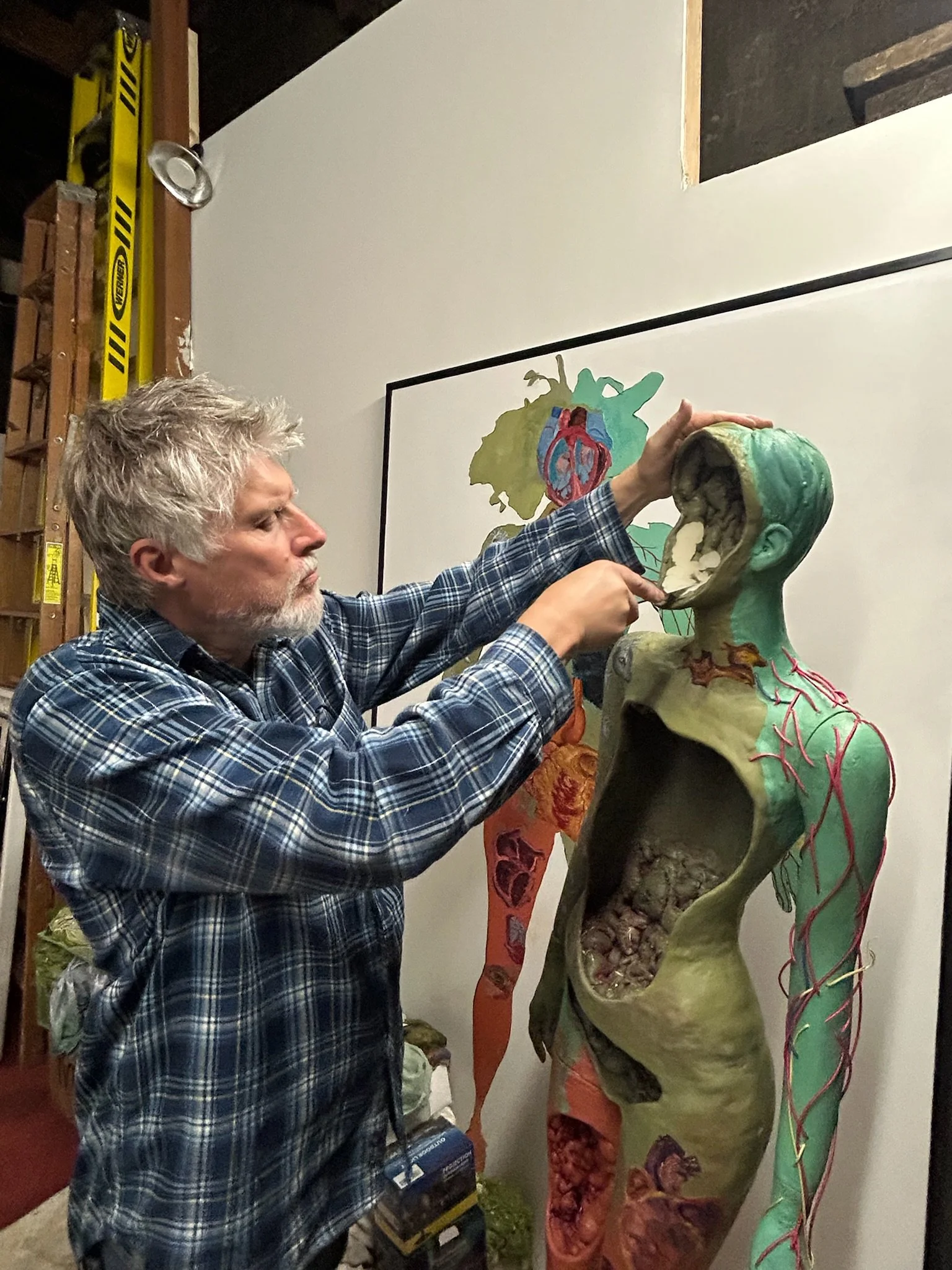
Paul Abbott has 40 years of building, curation, and art fabrication experience. He is skilled at installation and has collaborated with a number of creatives to help realize their vision. He is a long-time visual artist and painter. He has studios in London and Prescott, AZ. Paul was instrumental in the fabrication of Operation and contributed to both creative and technical installation elements.
-
Chris Jolly has a PhD in Computer Science and a M.S. in Electrical and Computer Systems Engineering. He is an experienced manager of advanced quantitative teams including developing modern statistical models for loss and prepayment forecasting. He developed the code with Zoe McCarthy to trigger the animations with the placement of the mixed media organs on different gallery stations.
-
The installation of Operation in Arizona and the multiple artist residencies to develop the project were generously supported by the Ross Lynn Charitable Foundation and the North Louisiana Artist-in-Residence program (rosslynnfoundation.org). The Art Hive Foundation provided studio and gallery space, housing, and curatorial and creative support for Operation in Arizona.
-
This exhibit and collaboration are generously supported by The Ross Lynn Charitable Foundation, The Art Hive Foundation, and a Louisiana Project Grant from the Louisiana Division of the Arts, Office of Cultural Development, Department of Culture, Recreation and Tourism, in cooperation with the Louisiana State Arts Council, as administered by the Northeast Louisiana Arts Council. Funding has also been provided by the National Endowment for the Arts.
-
Cloud Oakes
Clementine Giordano
Pat Warwick
Alina Pellicer
B.E. Long
-
2D: The Paintings
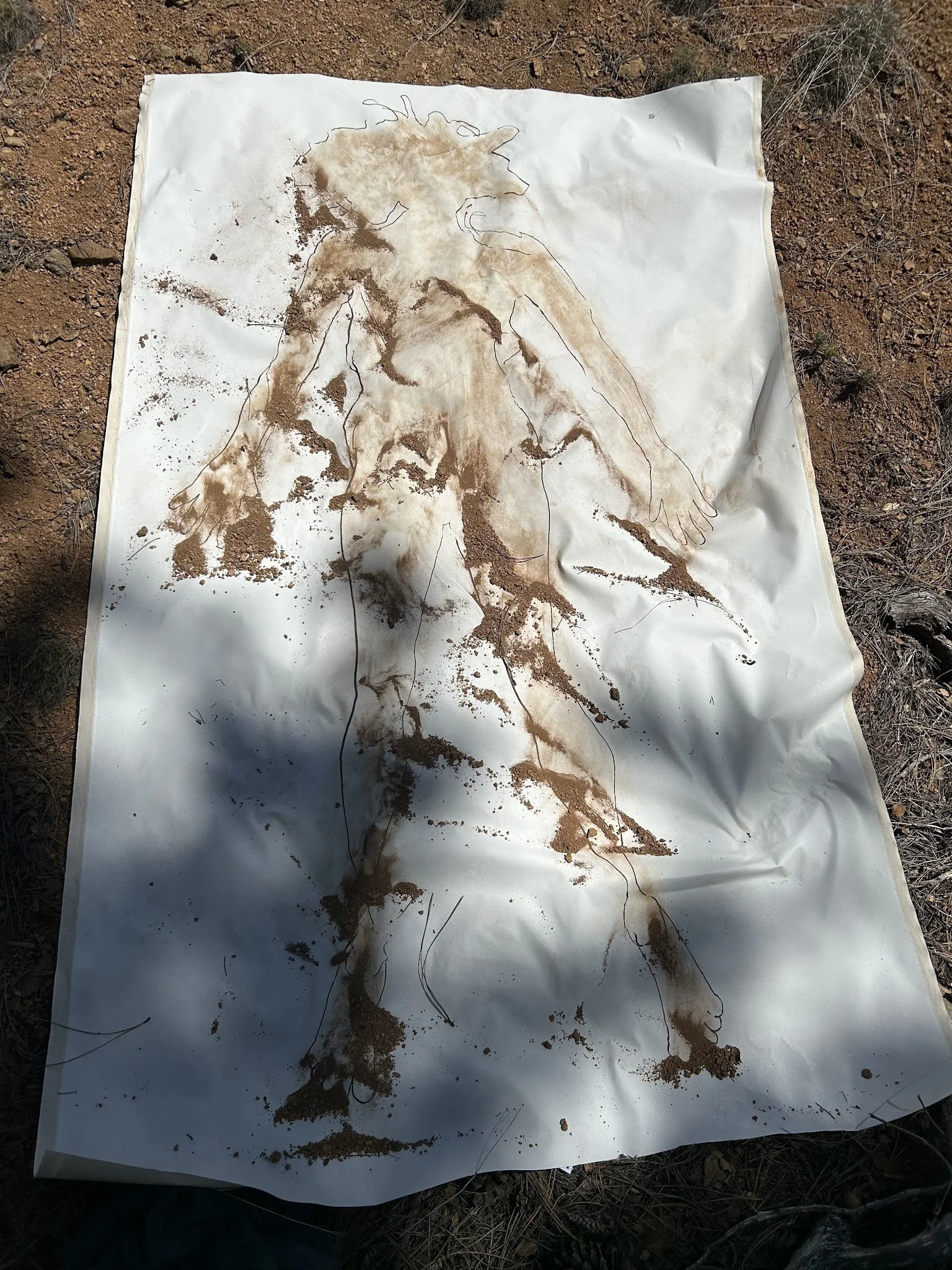
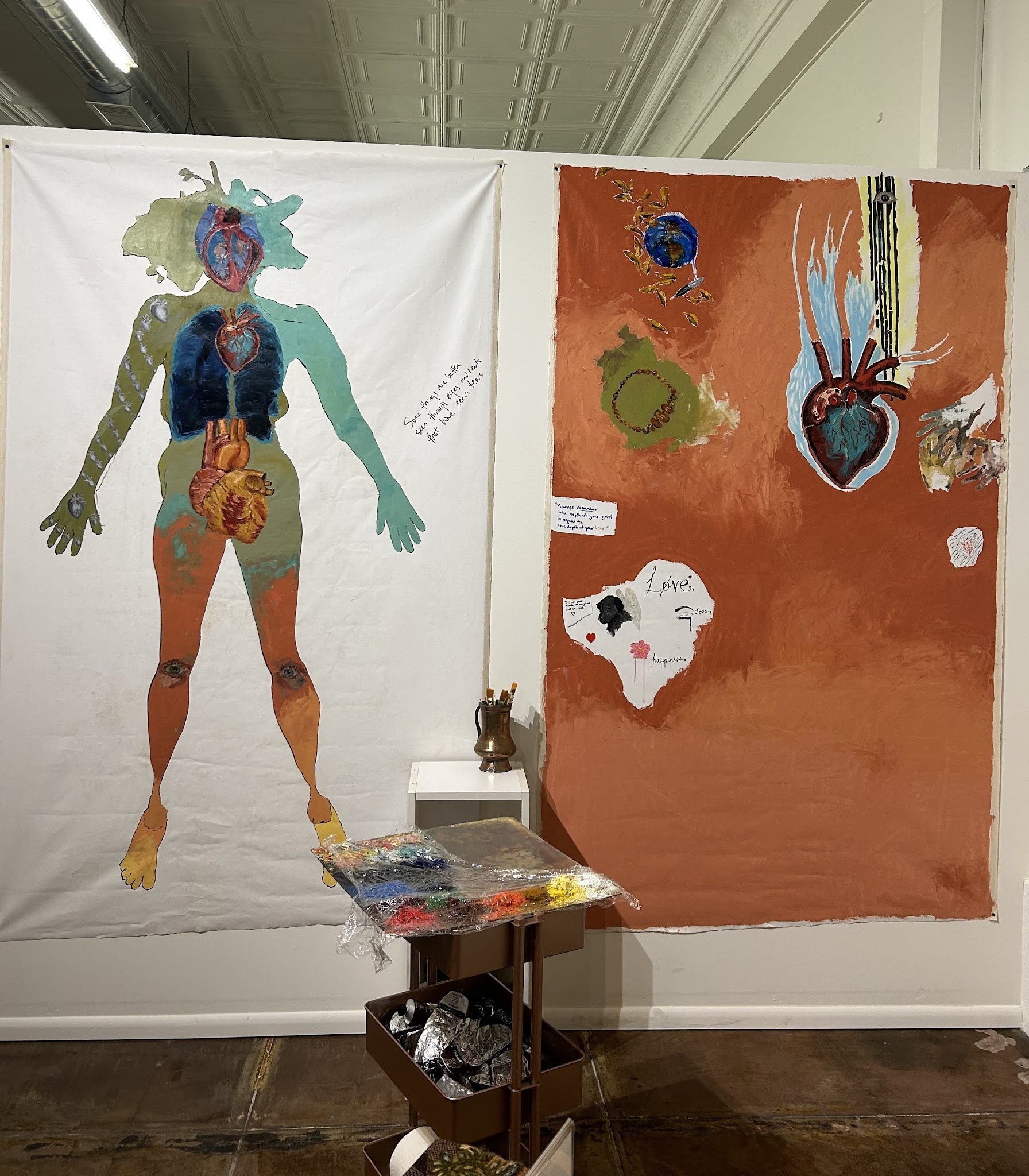
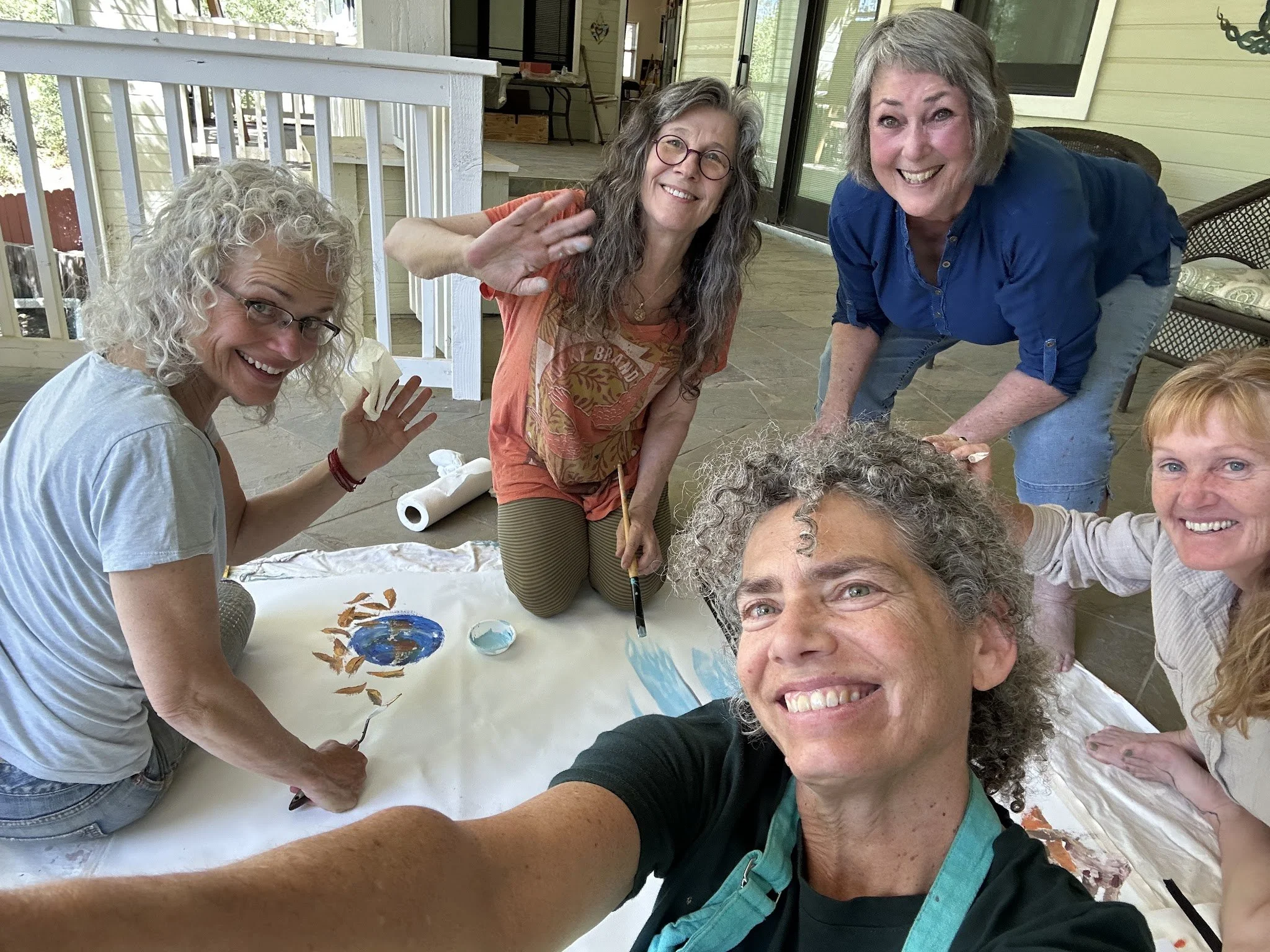
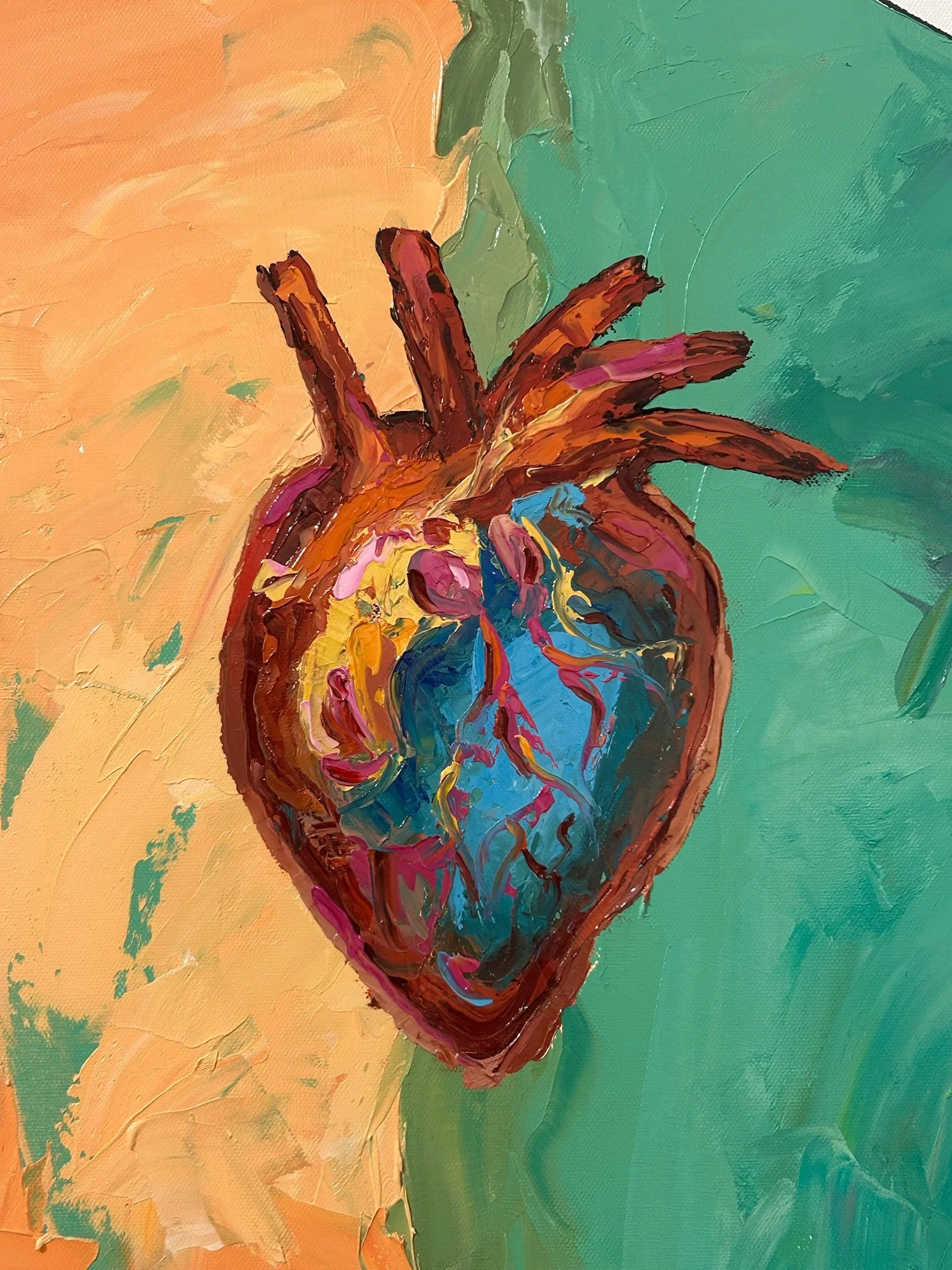
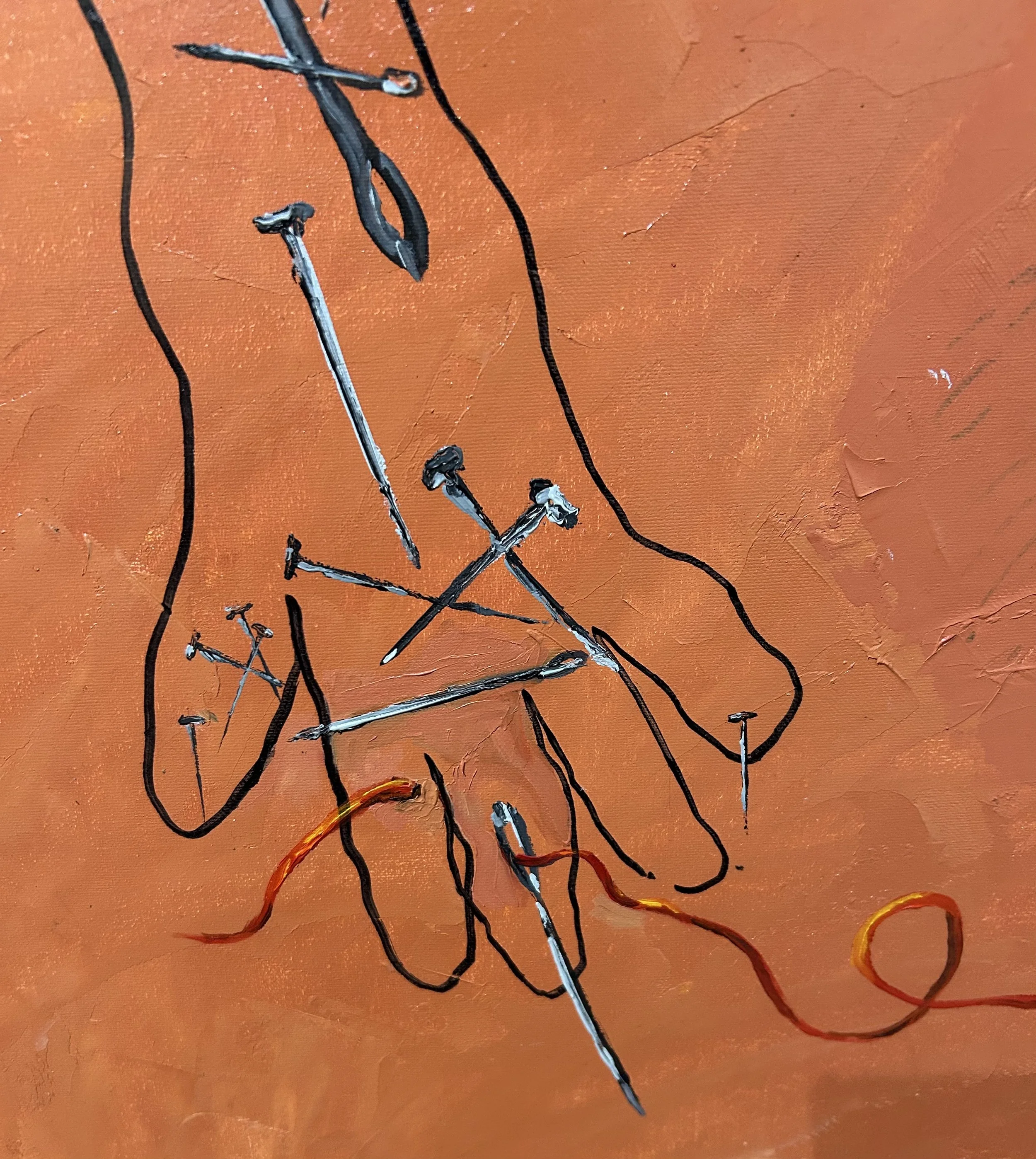
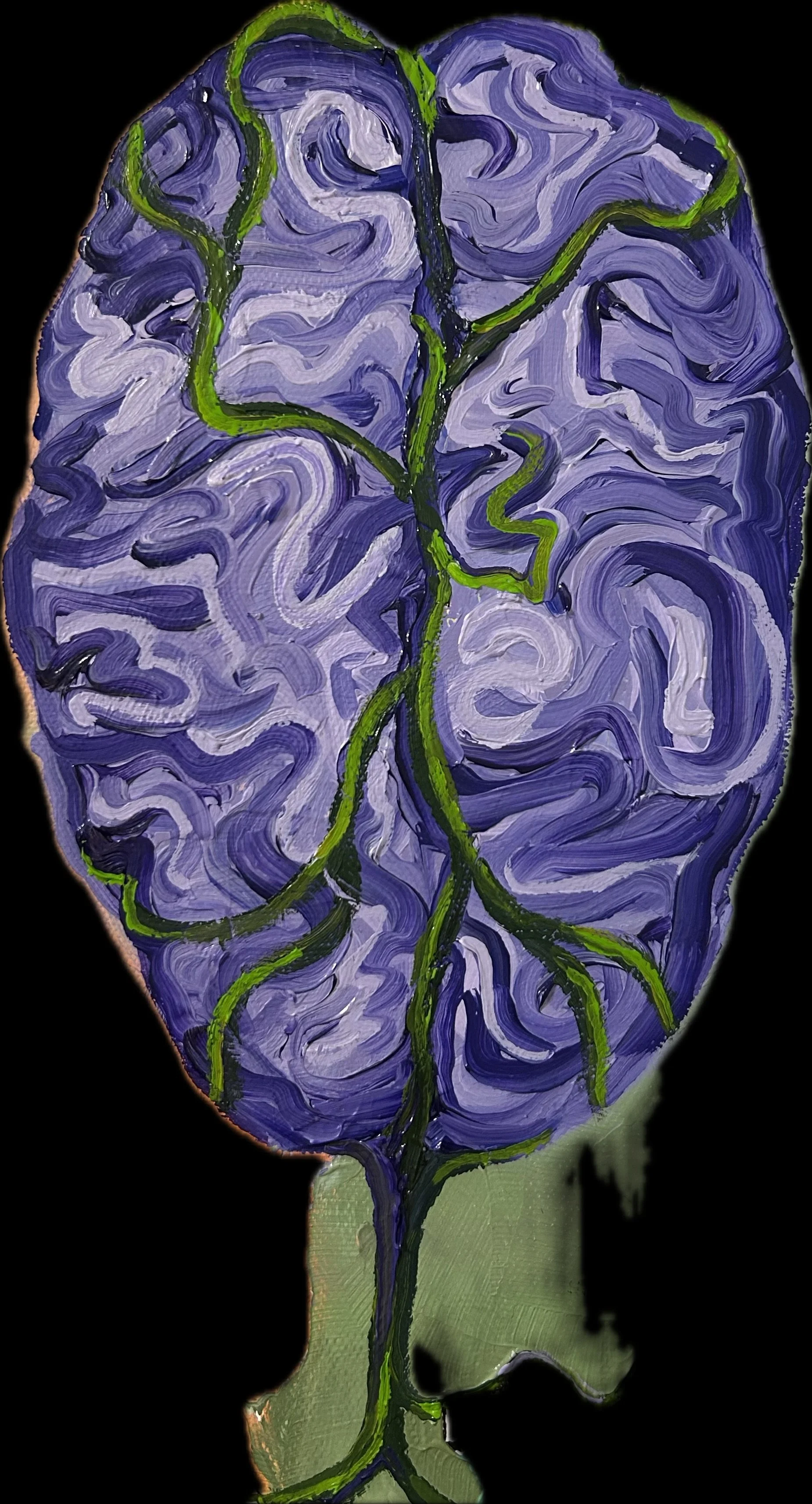
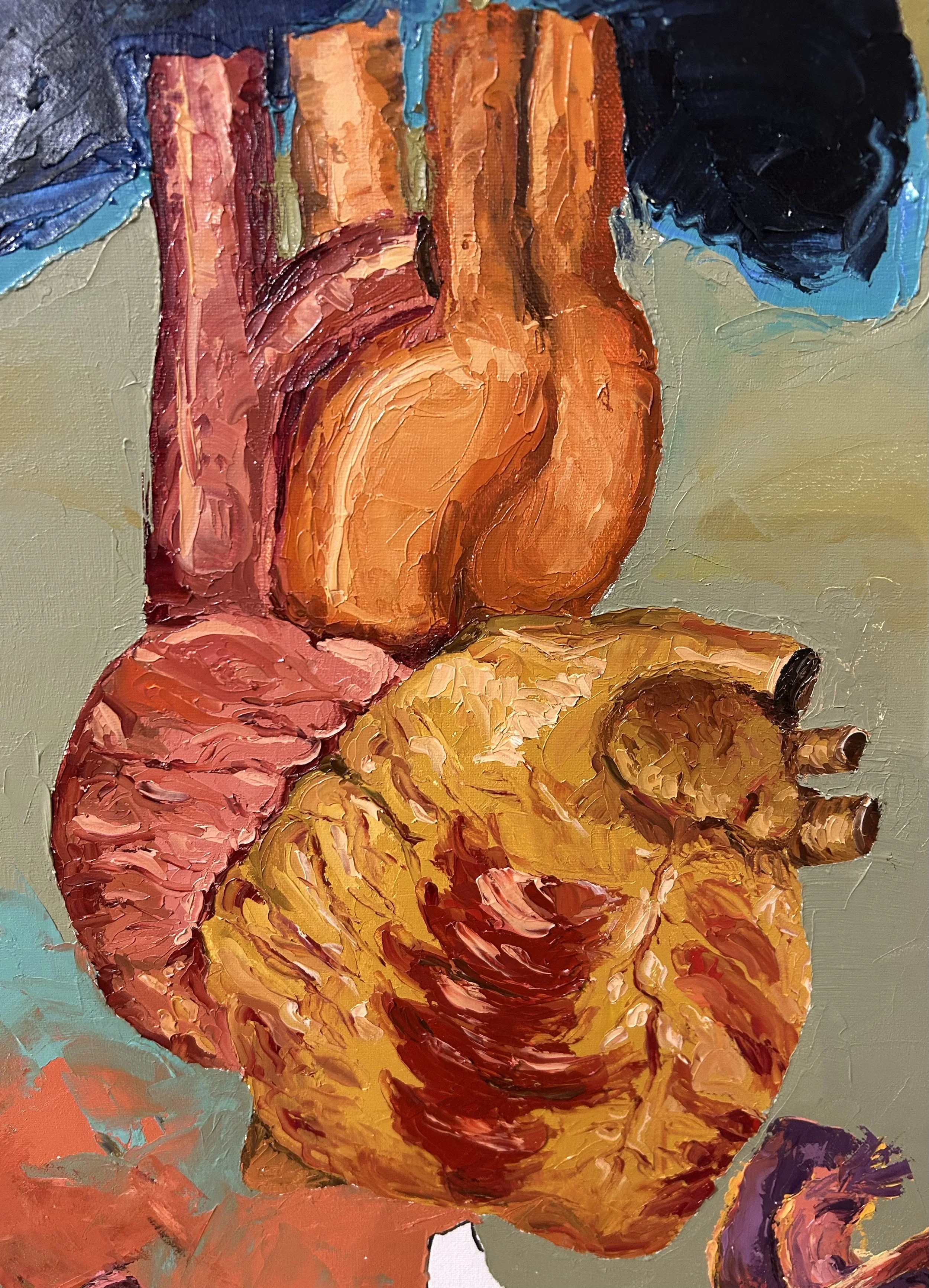
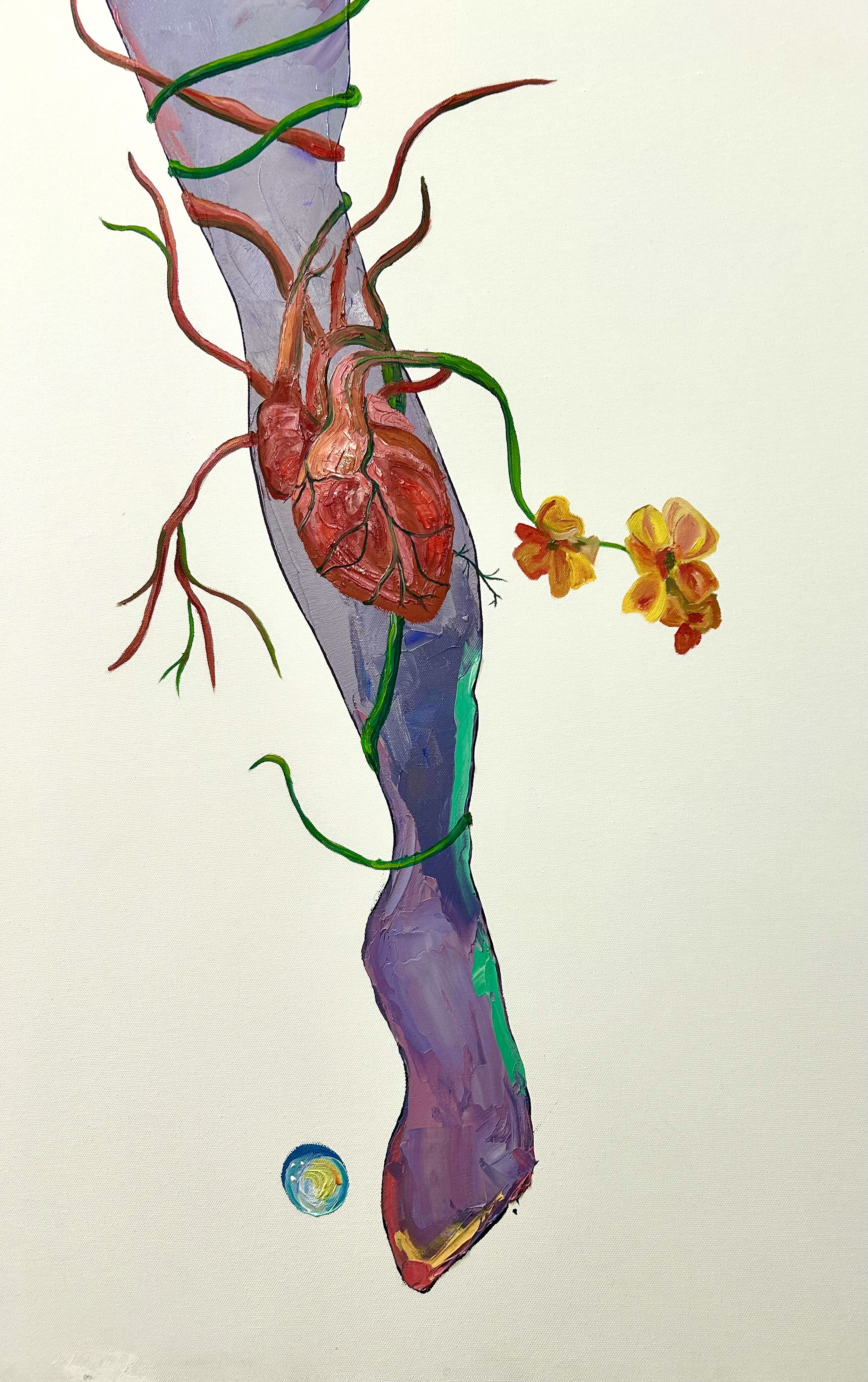
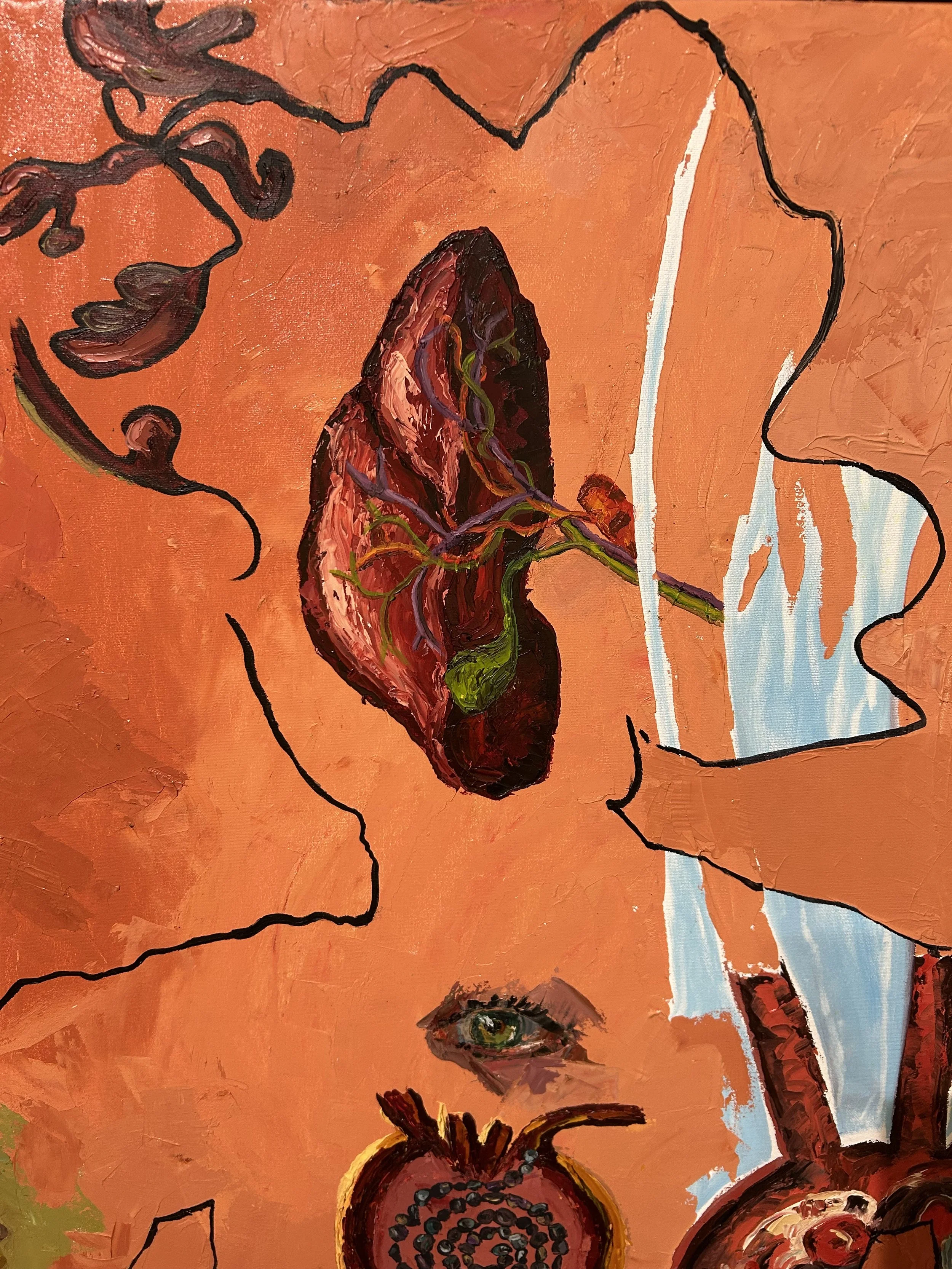
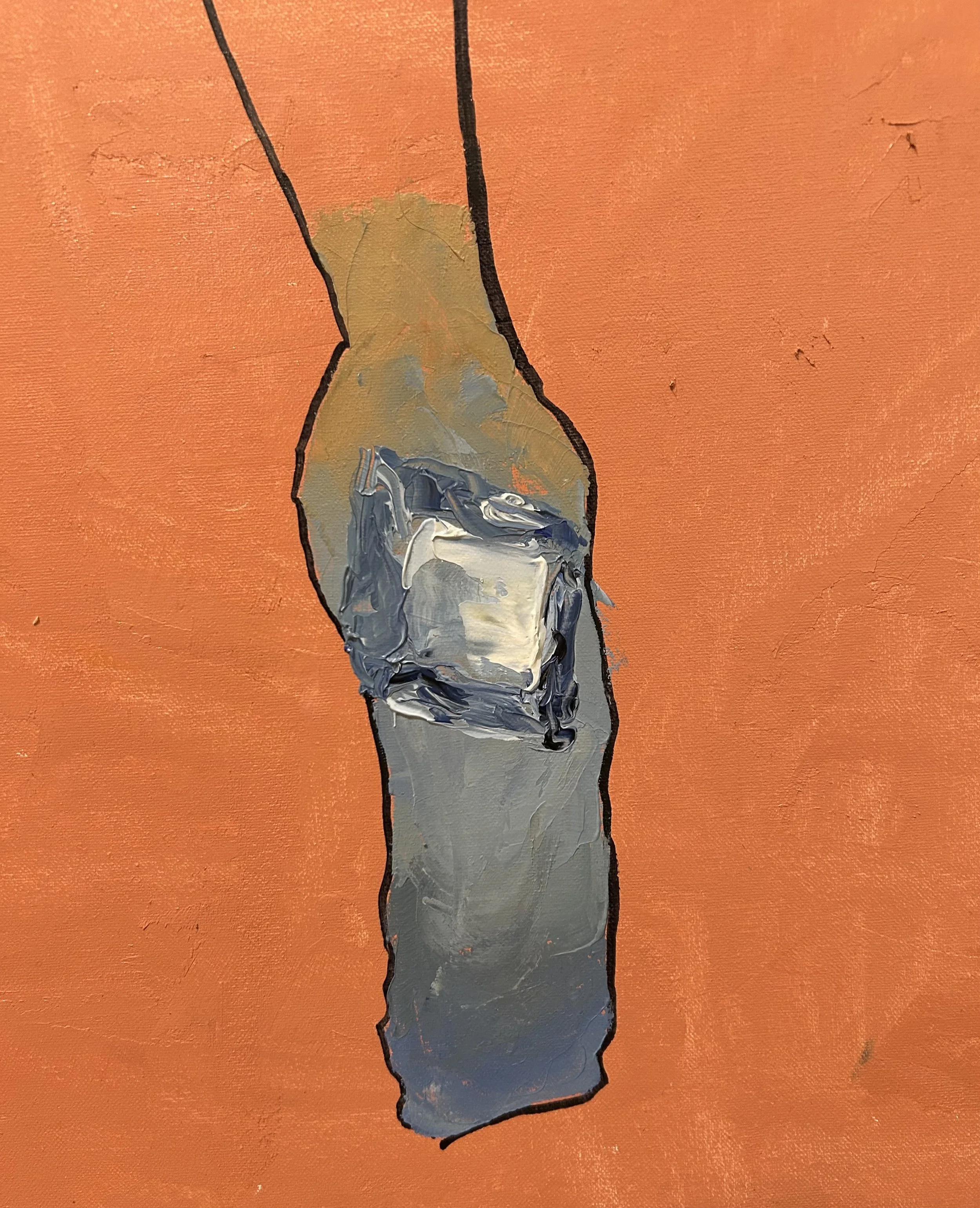
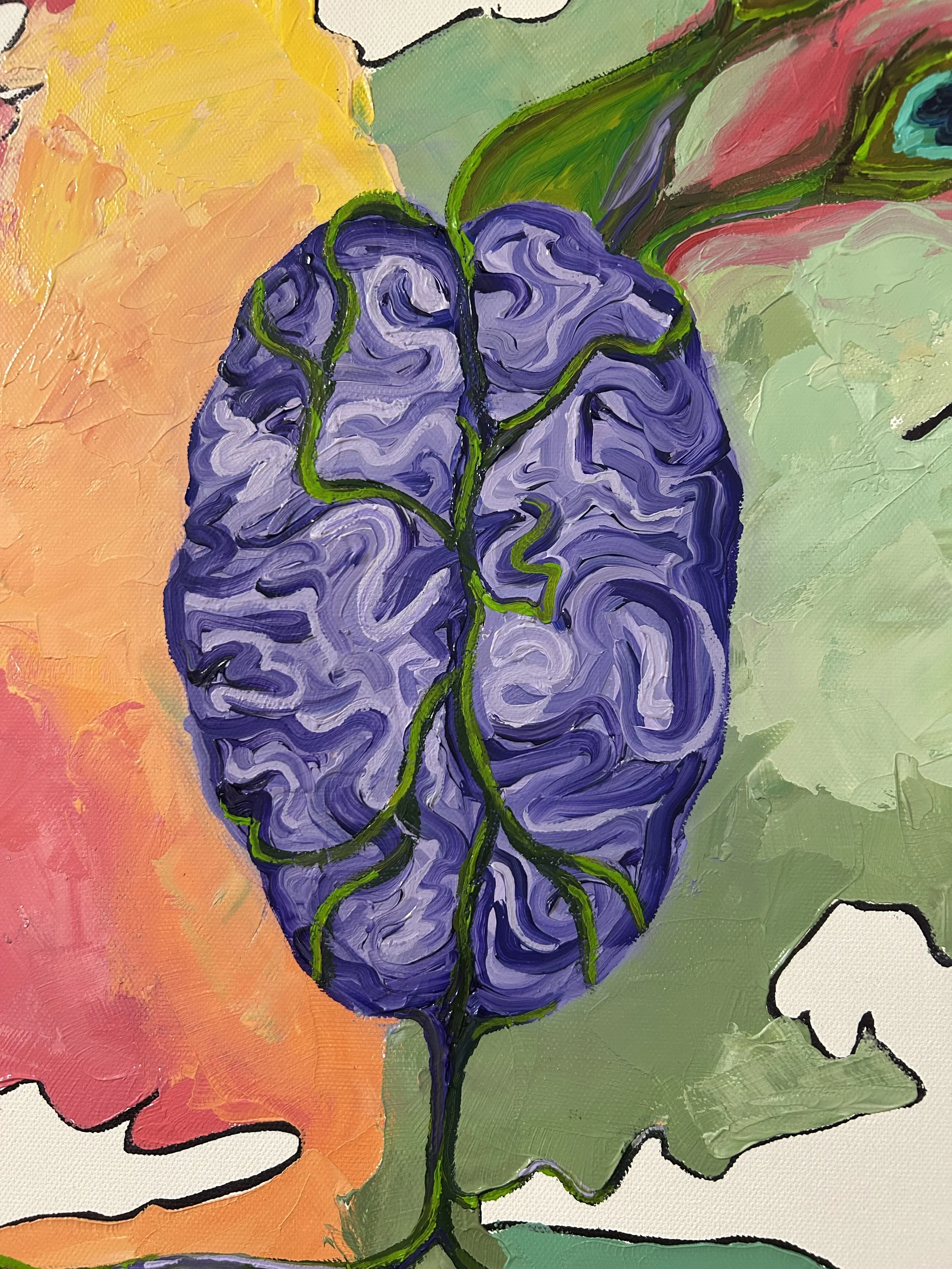
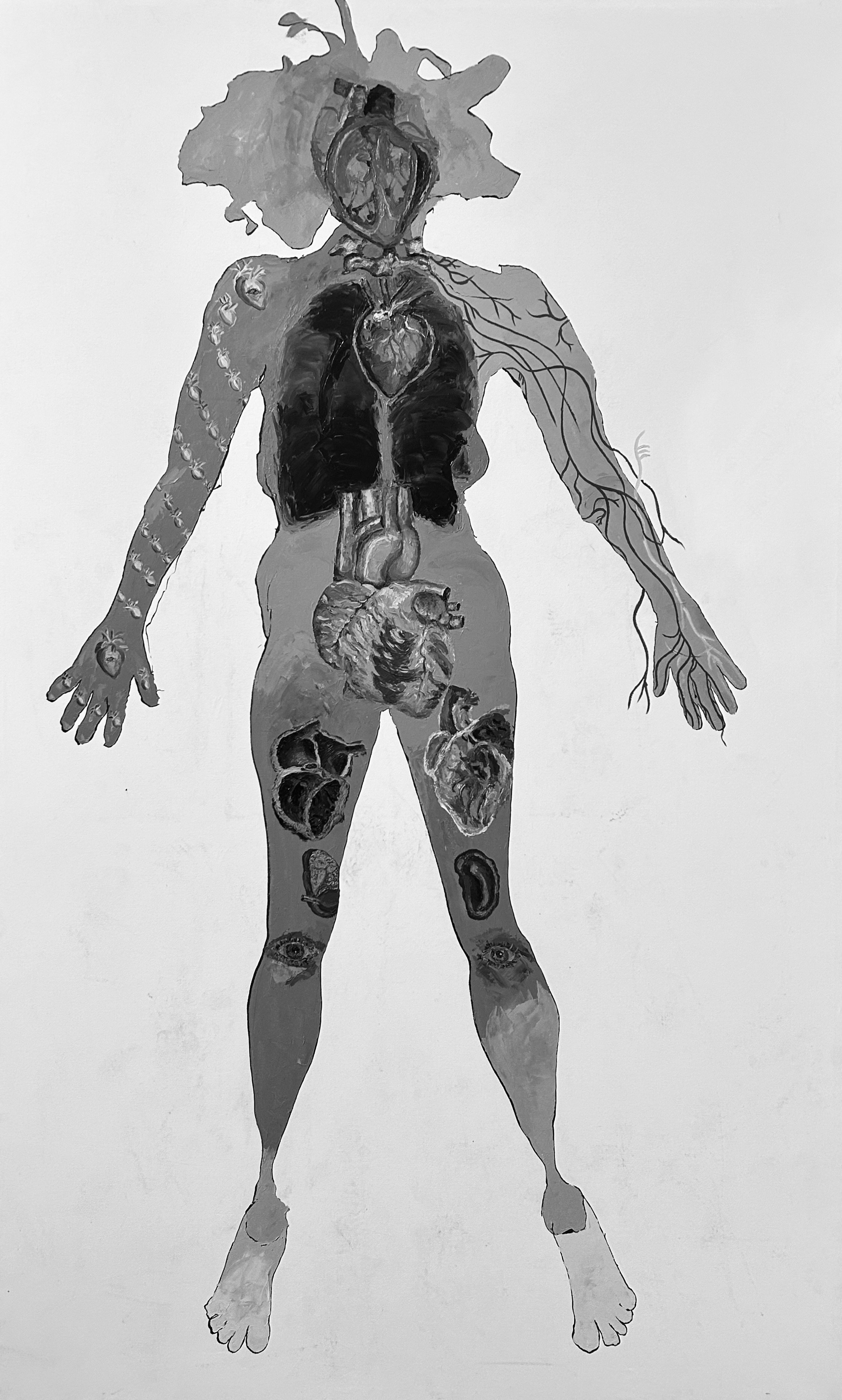
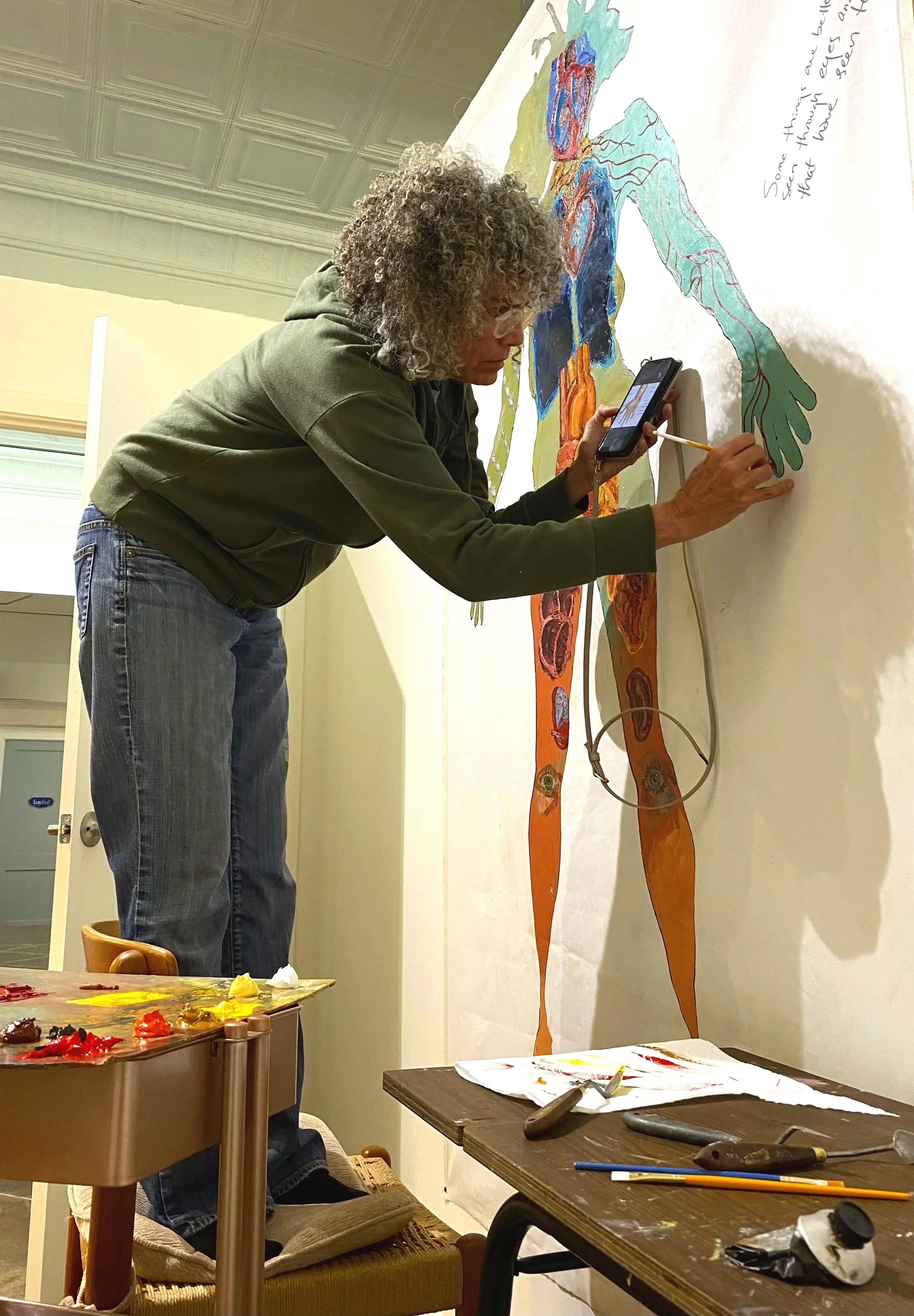
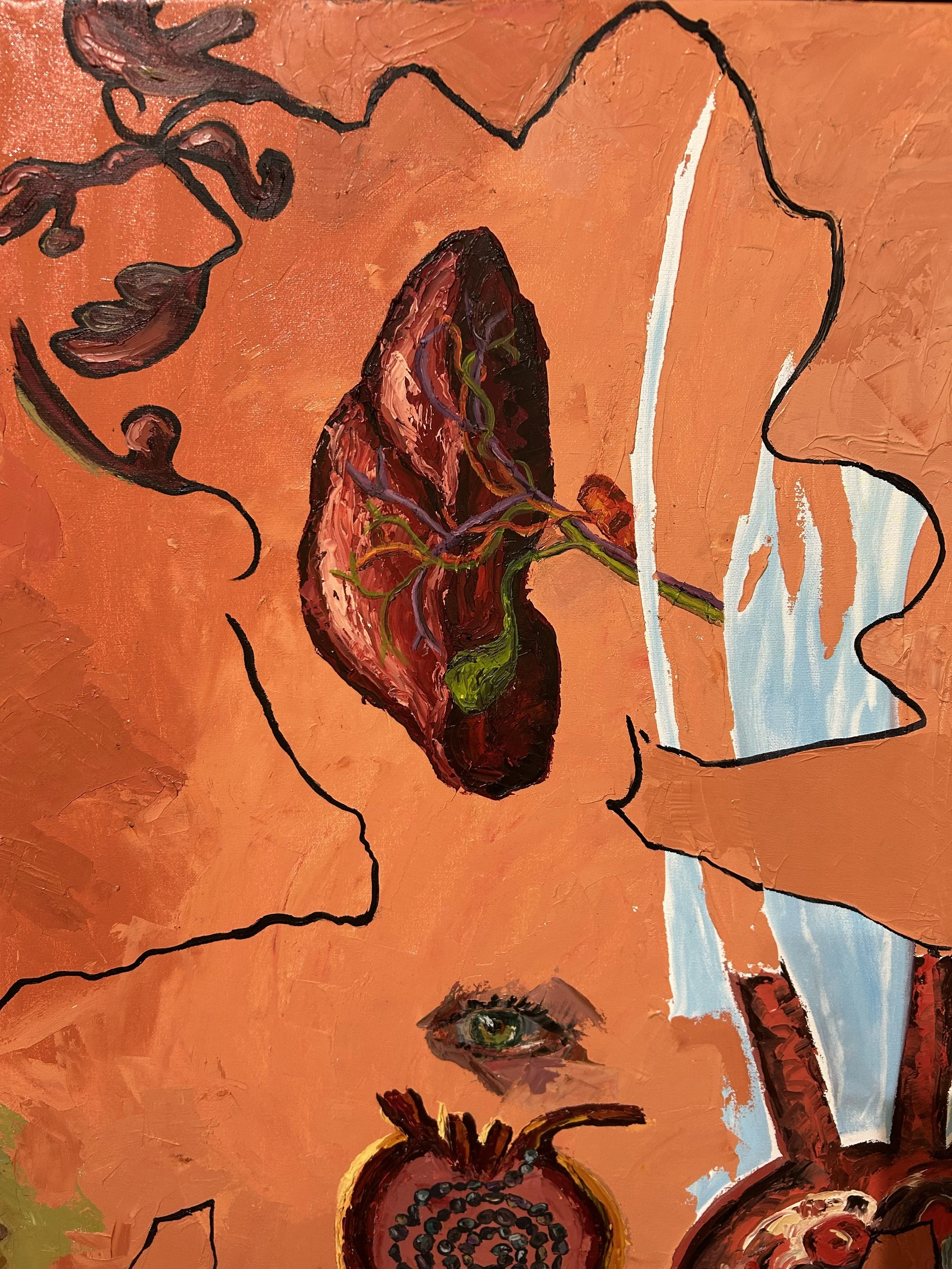
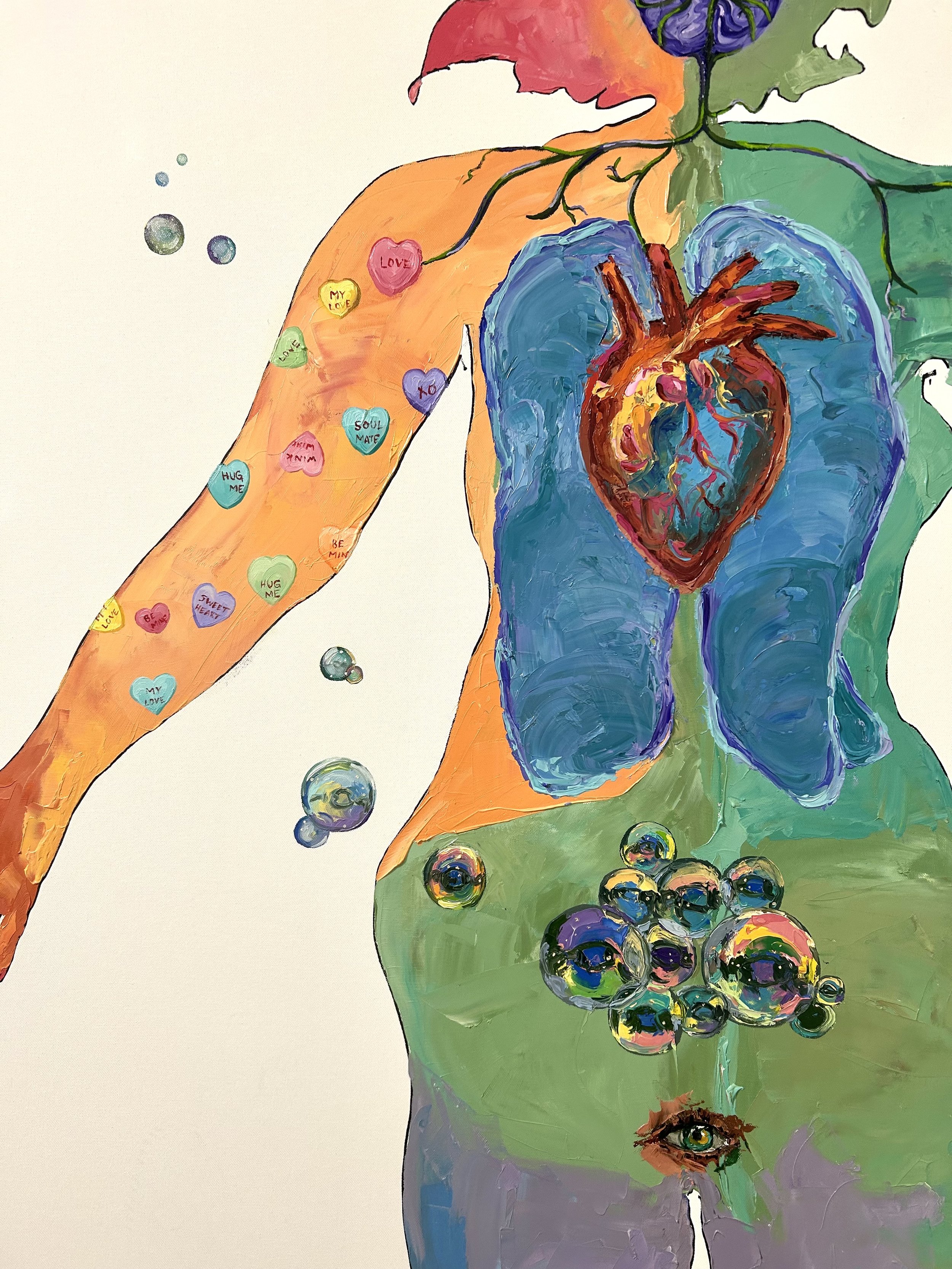
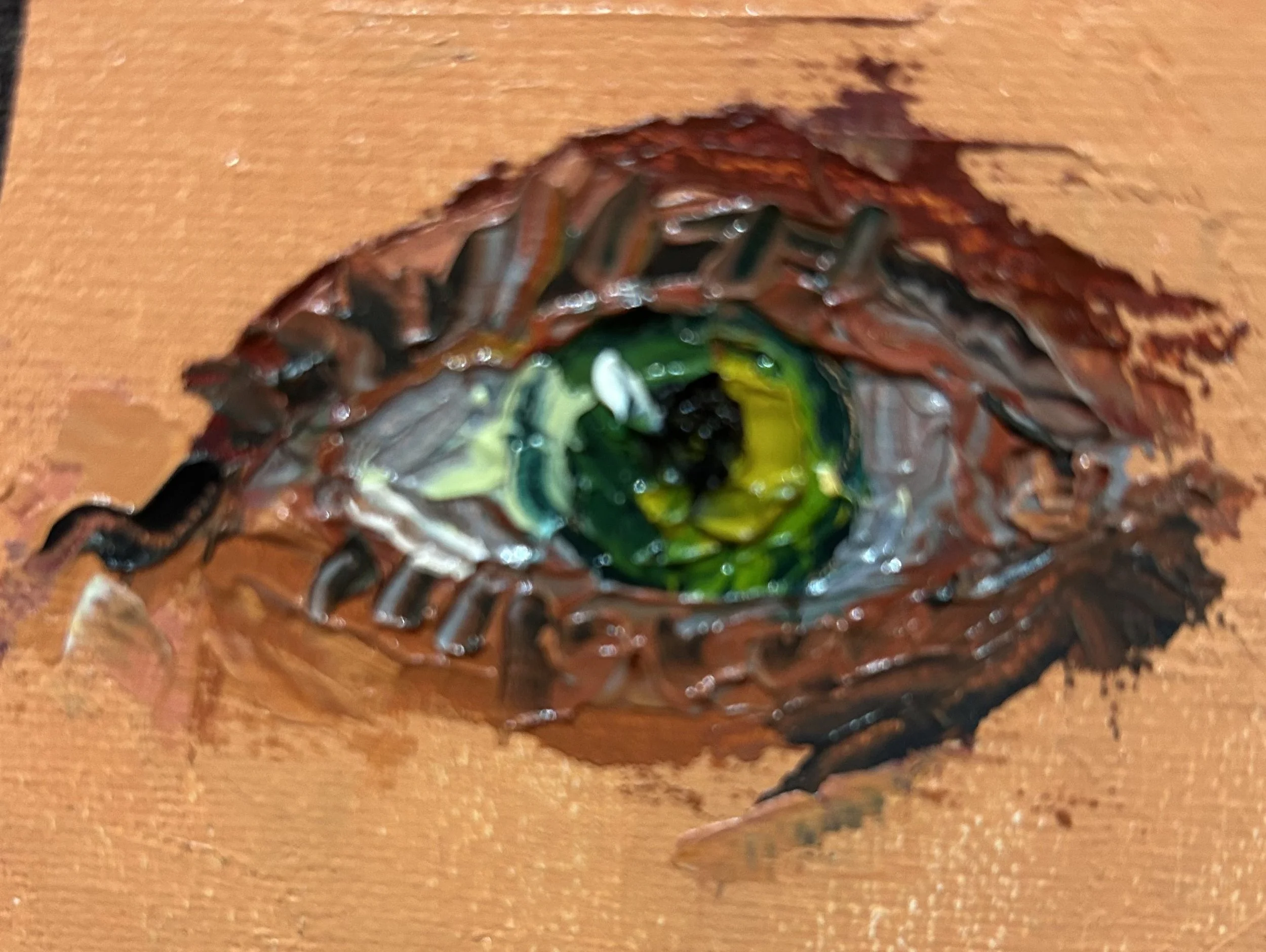
Carole Jolly, a painter and counselor, lost five loved ones in quick succession. As a former therapist and life coach and one who deeply valued the community building mission of the Art Hive, she began a project on grief. Starting with a life-sized tracing of her own body, loose and somewhat distorted because she did the tracing herself, she filled in the tracing with color, painting the colors she was feeling and added many organs, mostly hearts, placed in specific places on the body related to her physical experience of grief. “The idea was that we can feel things in all different parts of our bodies, and when we’re going through very stressful things we might feel our heart in other places. I felt my knees were very vulnerable, my nerves were on fire.” Then she set up a large canvas in her Hive studio where other people could paint their own stories of grief.
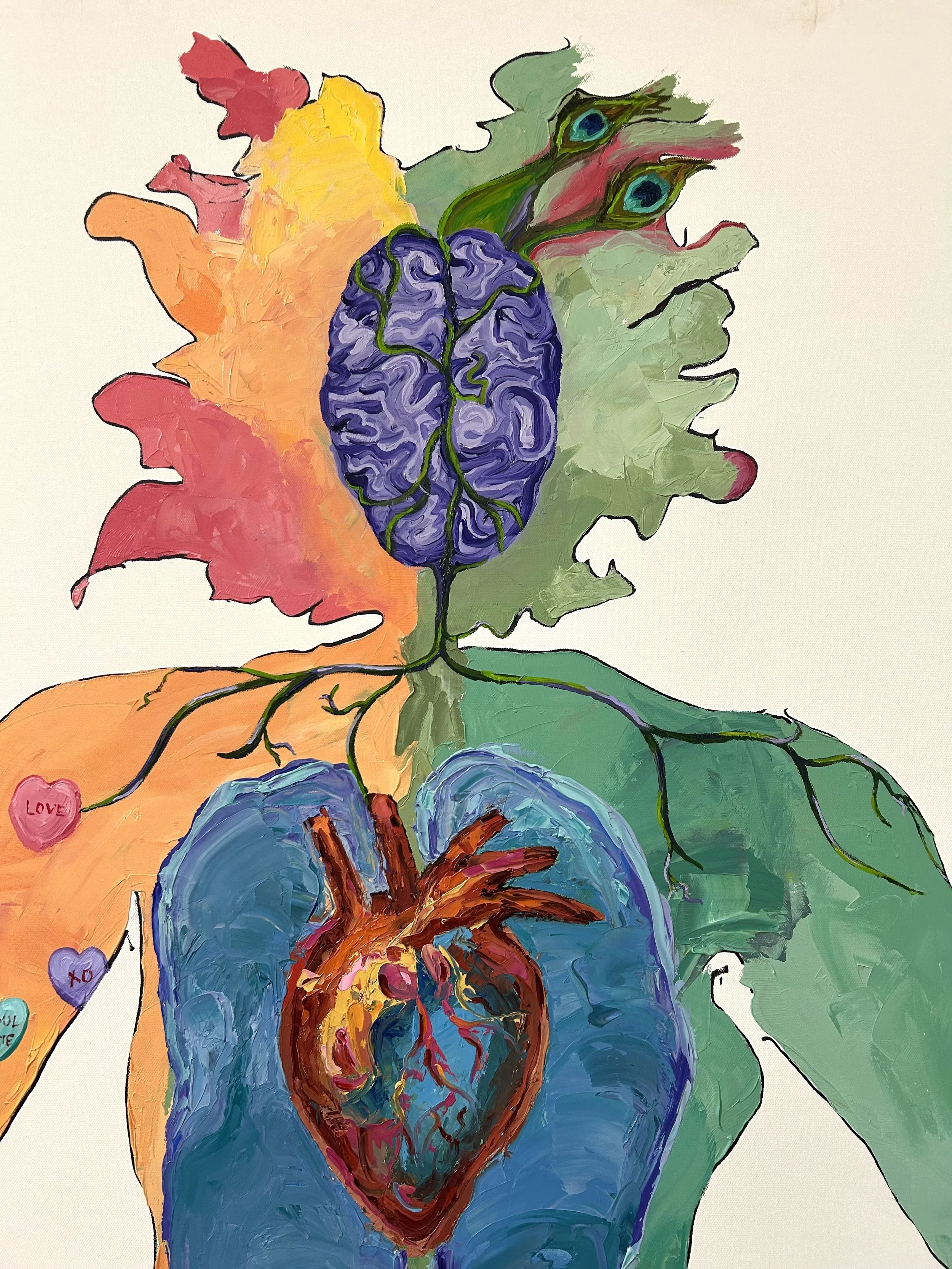
Depicting her emotional embodied experiences seemed to have a powerful sense of gravity for Carole, so over time she painted a sequel to Organs of Grief called Organs of Separated Love, and then a third in the series called Organs of Joy.
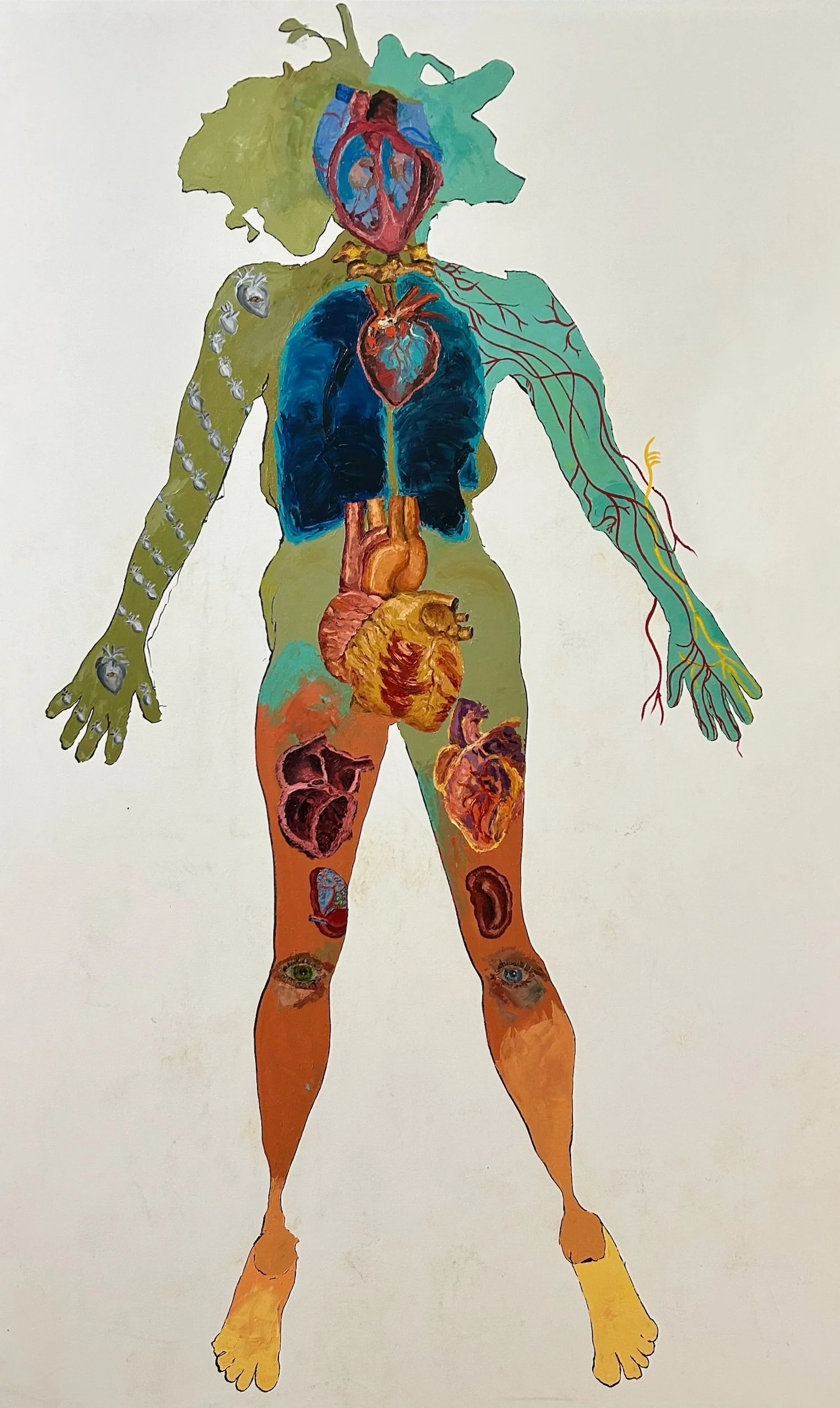
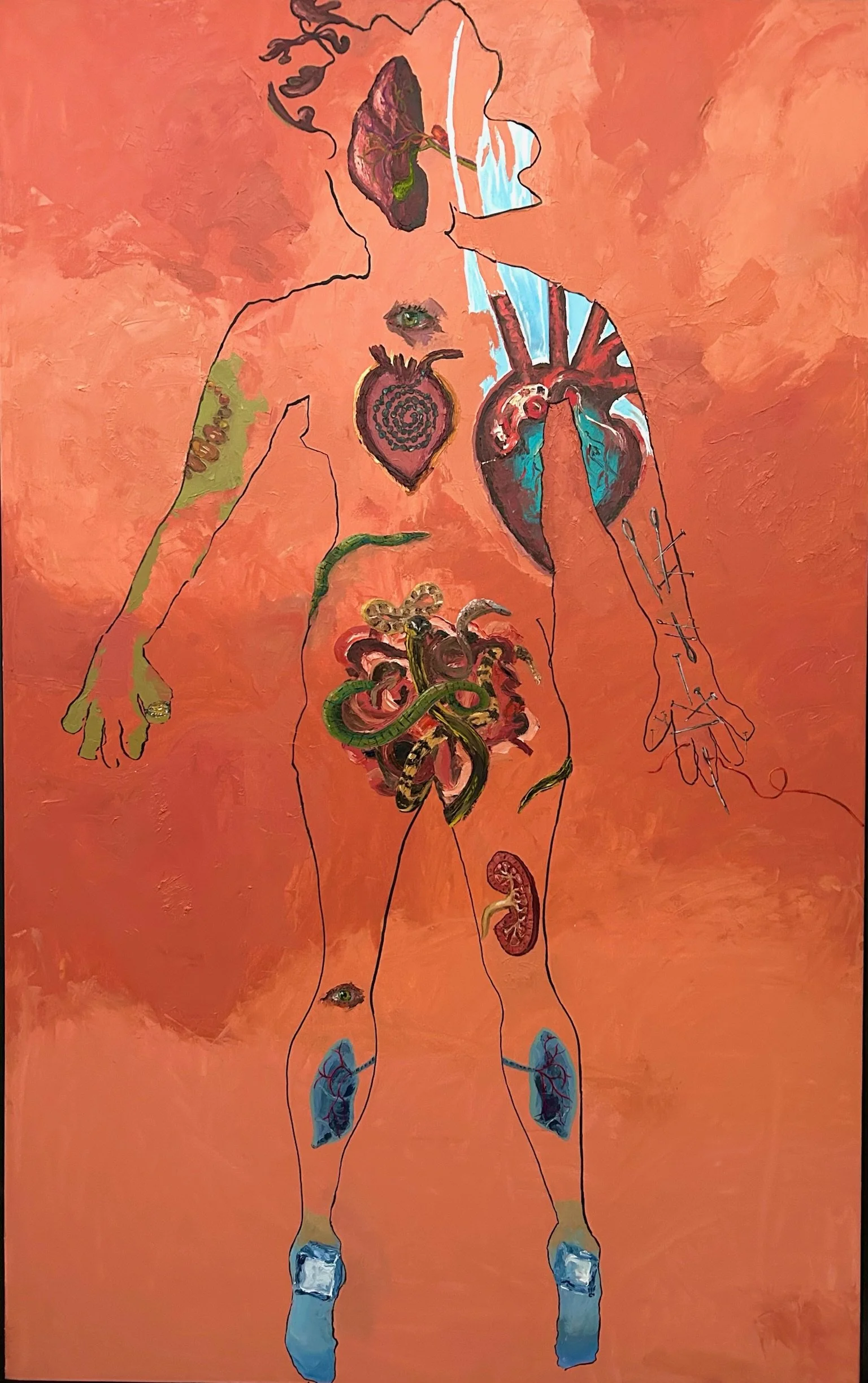
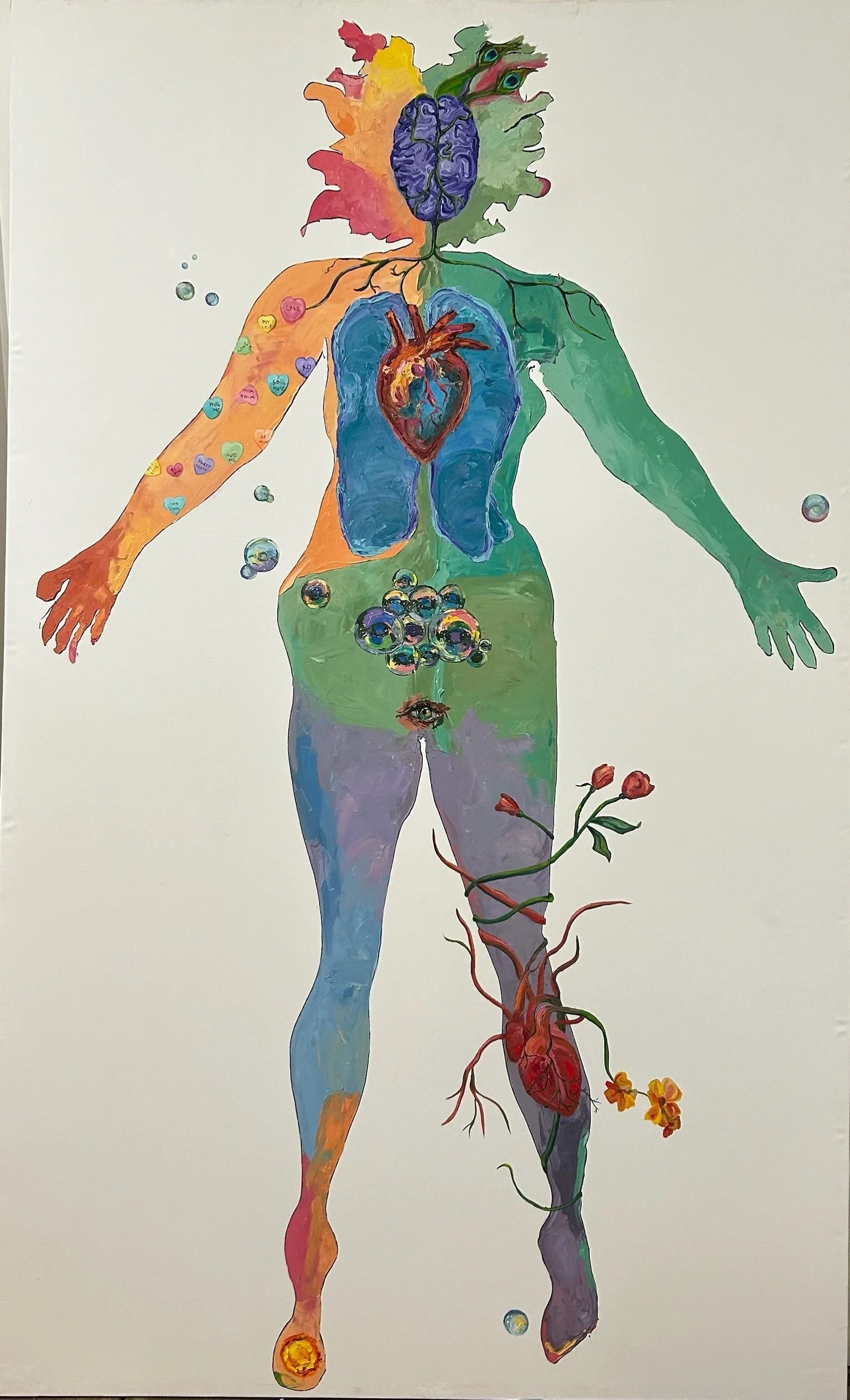
From Zoe’s Perspective: “Carole is a lifelong family friend of mine, and I came to visit her while she was working on Organs of Grief. The first thing that came to mind upon seeing the visceral, evocative portrait was a vision of her animated by movement. It seemed so natural to imagine her walk around the gallery walls, expanding upon her story of pain through interpretive actions. Once I shared this vision with Carole, we began conceptualizing how animation could be a narrative tool to expand upon the emotional stories being conveyed by the paintings.
Based on Carole’s grief project with the community, we also wanted to create something that visitors could interact with, leave their mark upon, and use as a way to connect and reflect. We considered other forms of bringing Carole’s portraits to life- not just through animation, but sculpture as well - and allowing visitors to have a tactile experience as a form of engagement, processing, and play. In doing so, the concept of Operation was born, and it became our goal to transform these personal stories into a responsive environment with universal resonance.”
3D: THE SCulptures
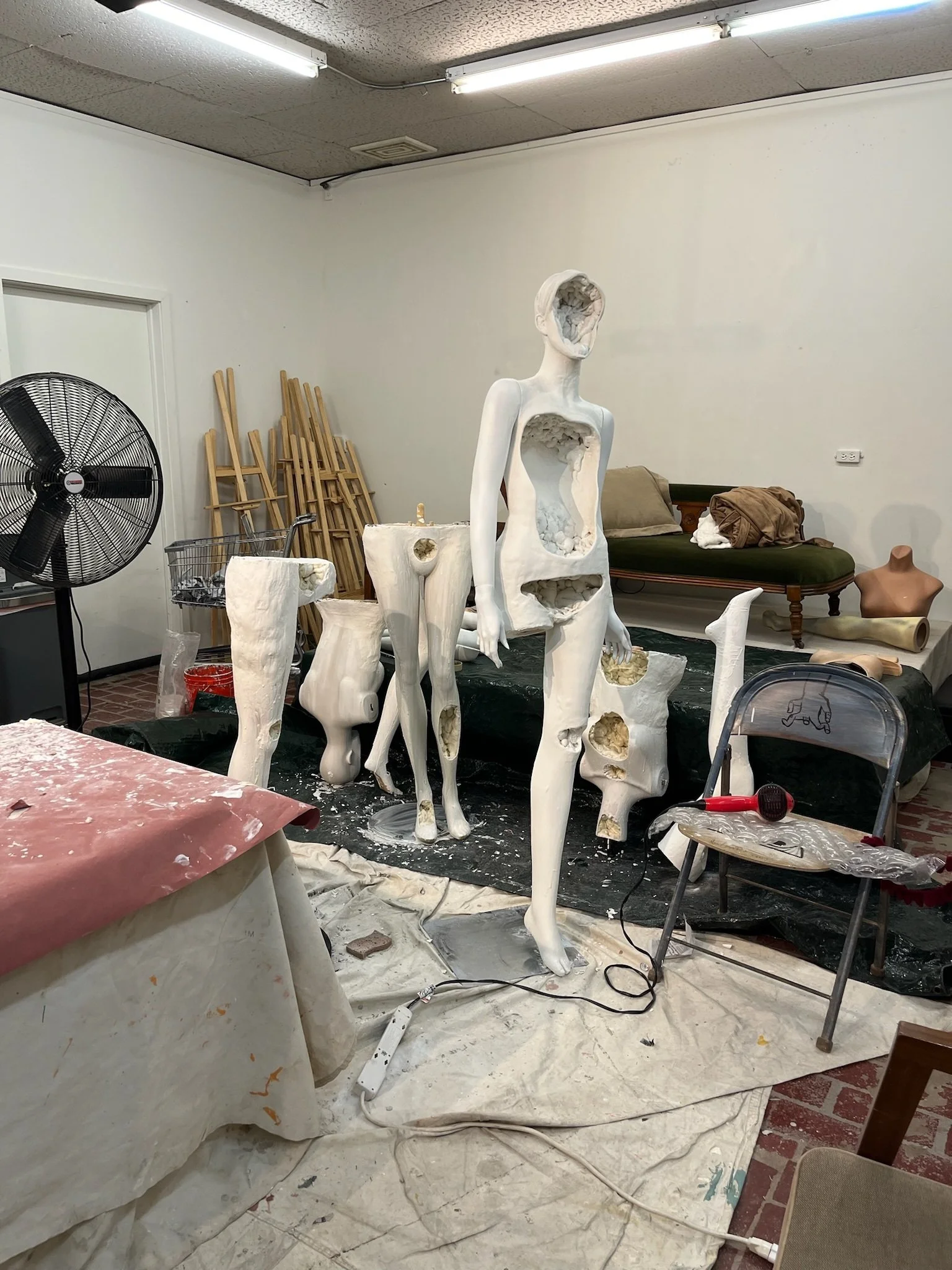
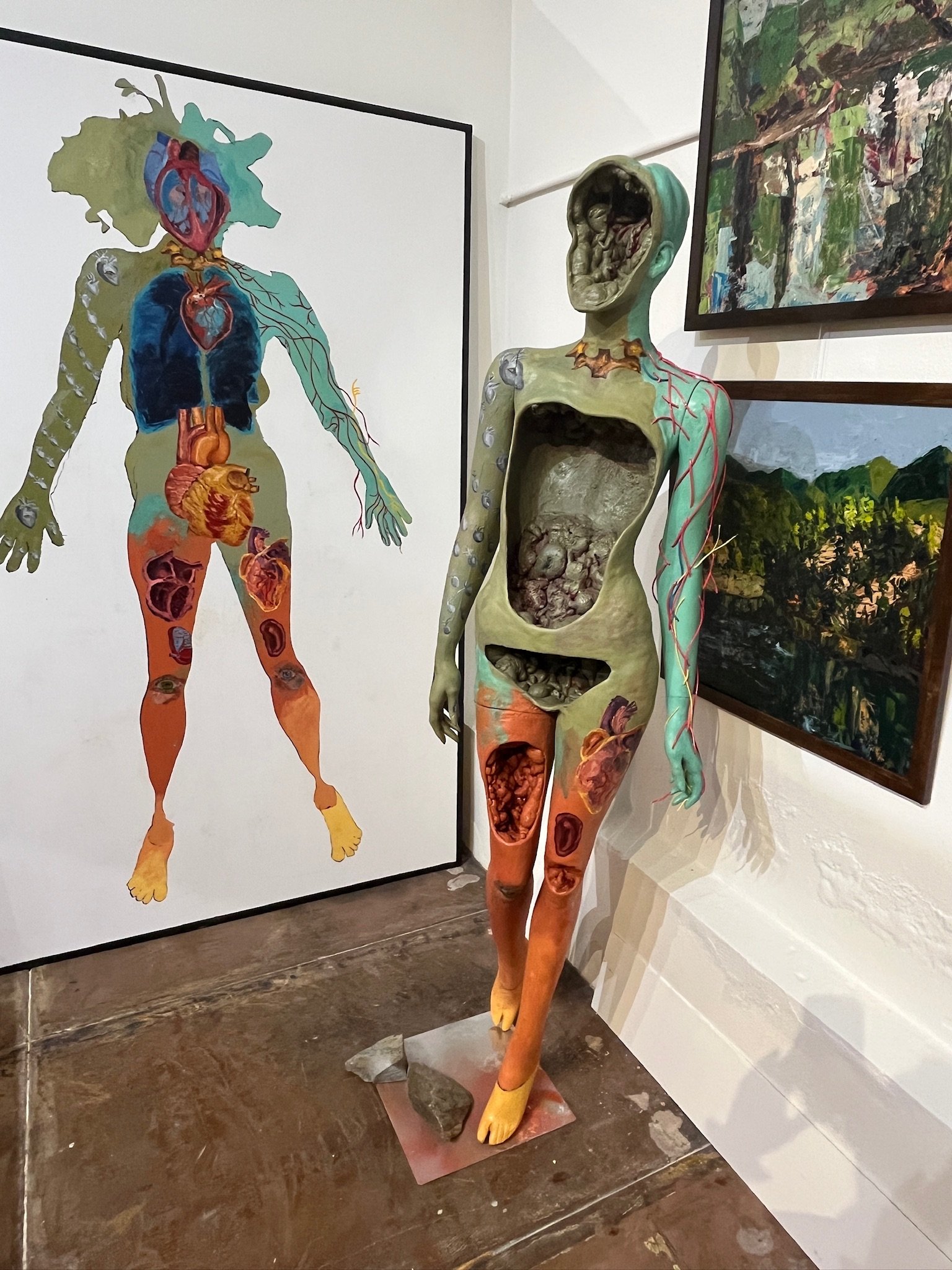
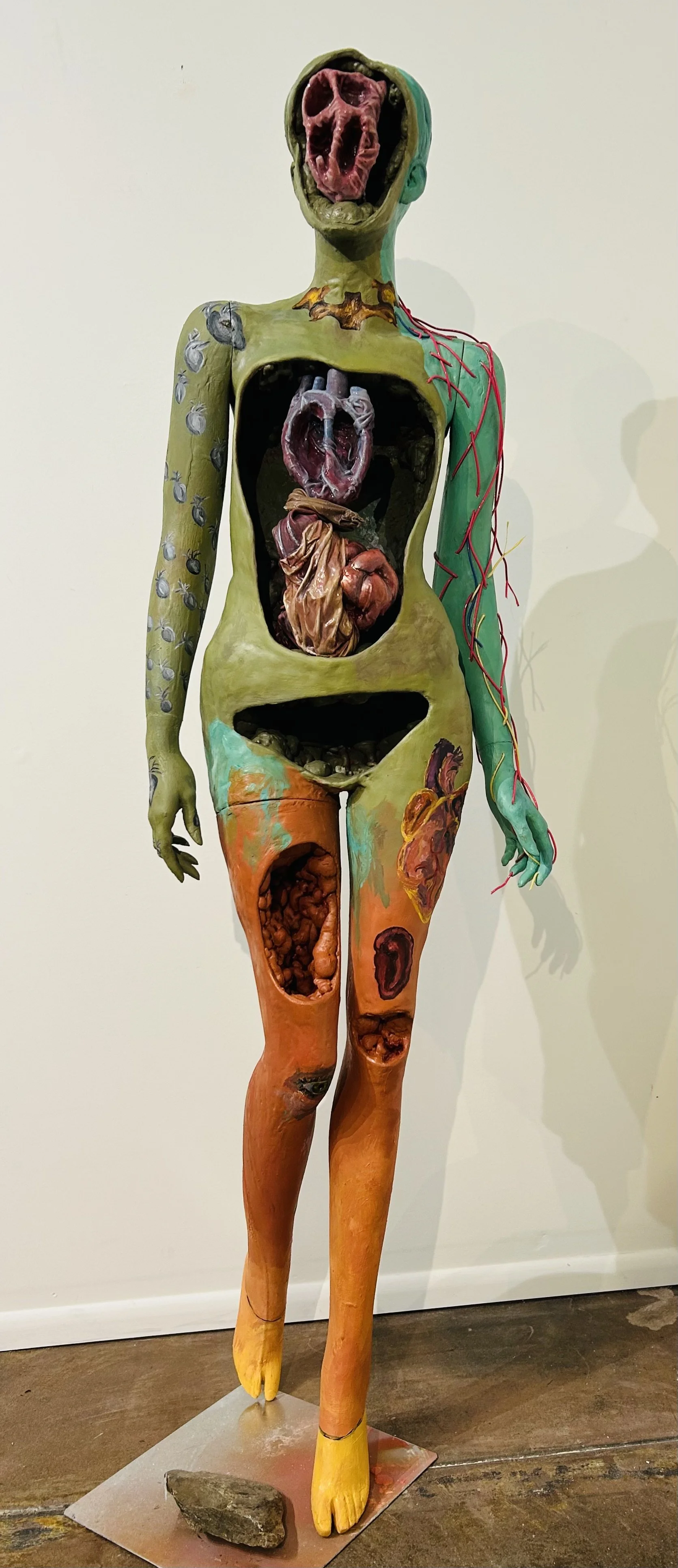
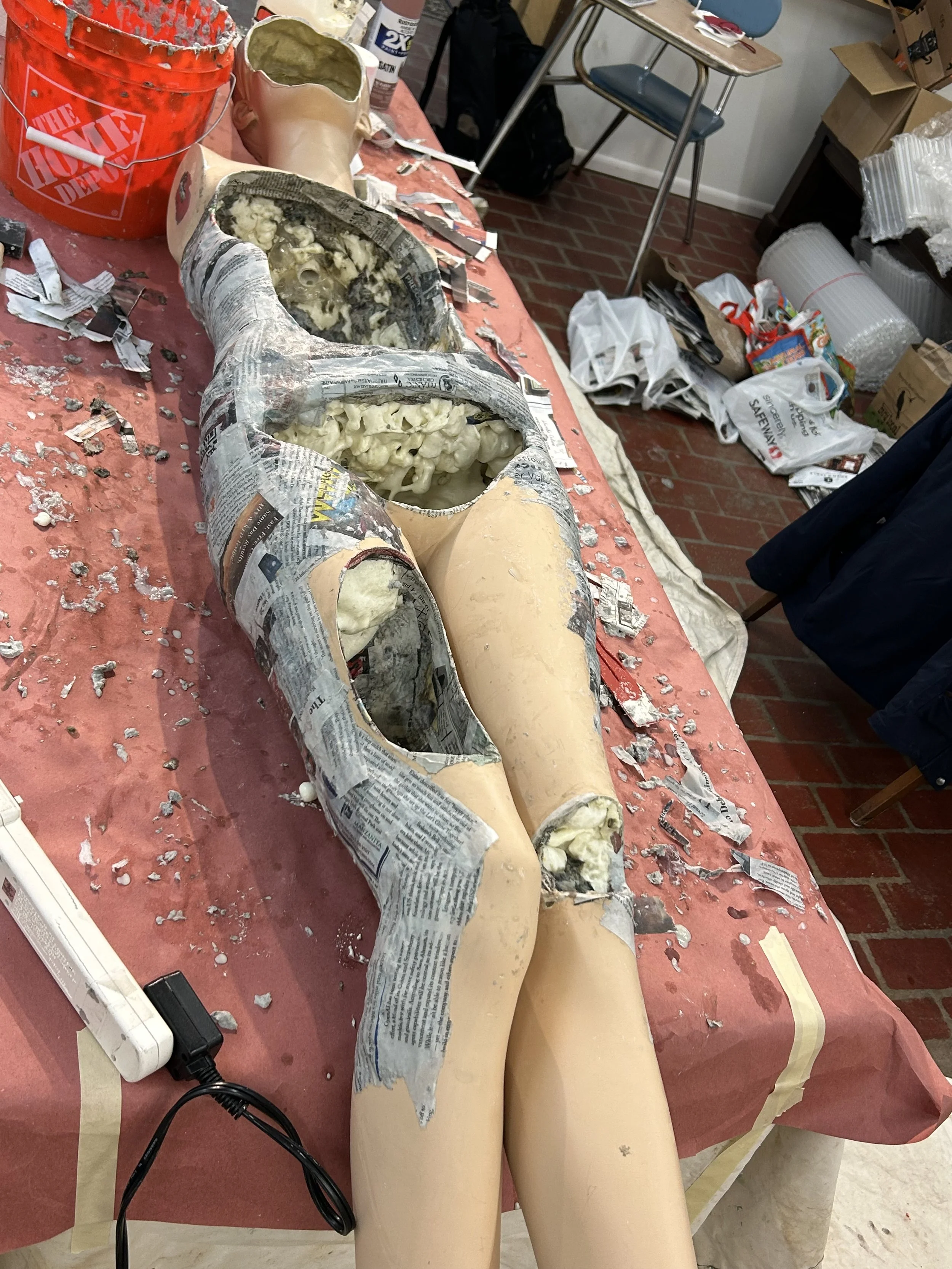
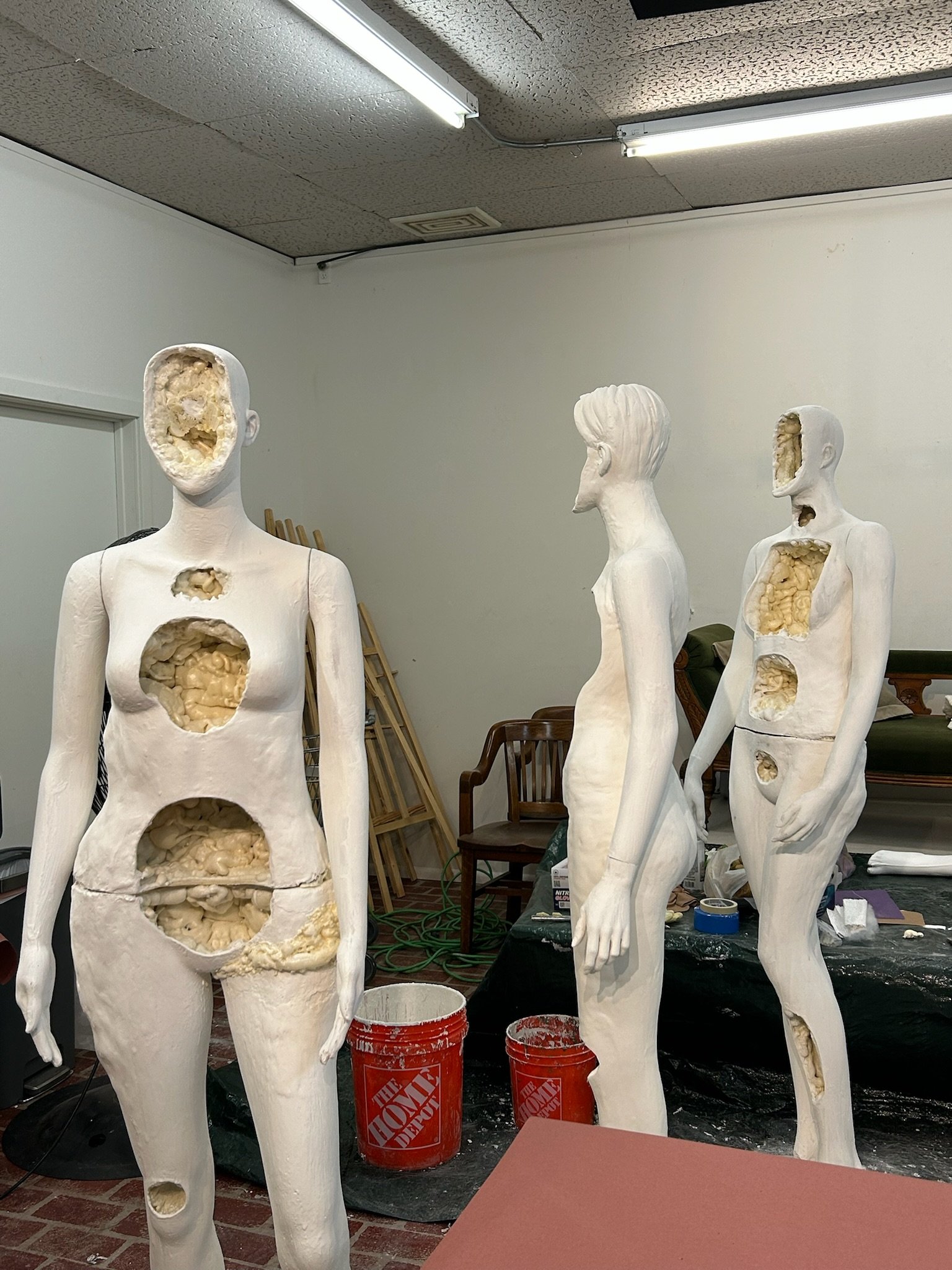
We conceived this installation as a kind of playground space, reimagining art objects as toys within a responsive environment—one that provokes questions about what interactivity can look like, how it might maximize engagement, and how sensory participation can be harnessed for narrative delivery. To this end, we translated three life-size paintings into figurative sculptures with removable organs, bringing forth another iteration of these characters that extends beyond the visual into the tactile.
By inviting kinetic exploration, we aim to engage multiple senses, recognizing touch as essential to play, processing, and integration, and as a powerful way to deepen both personal connection and collective reflection.
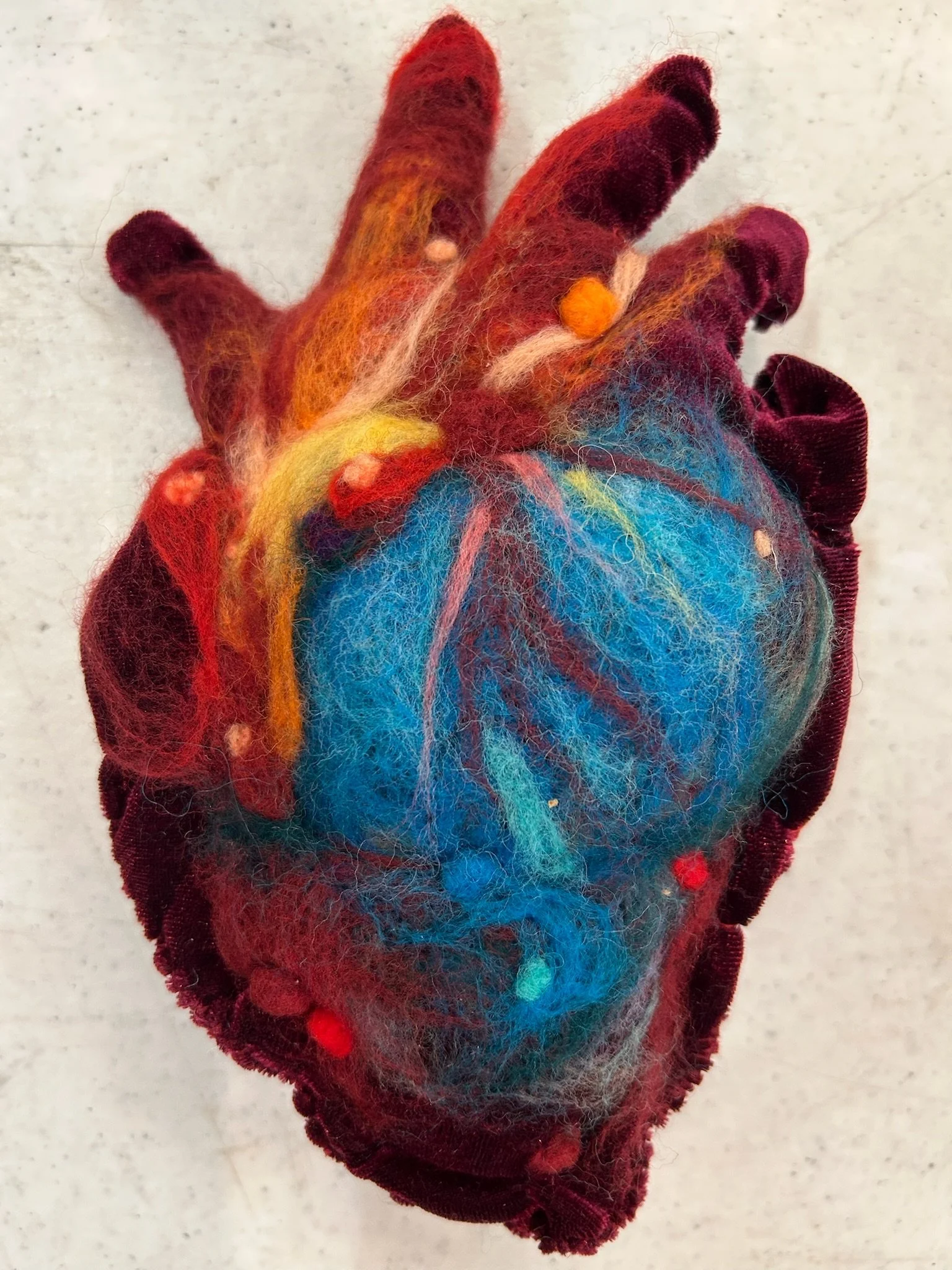
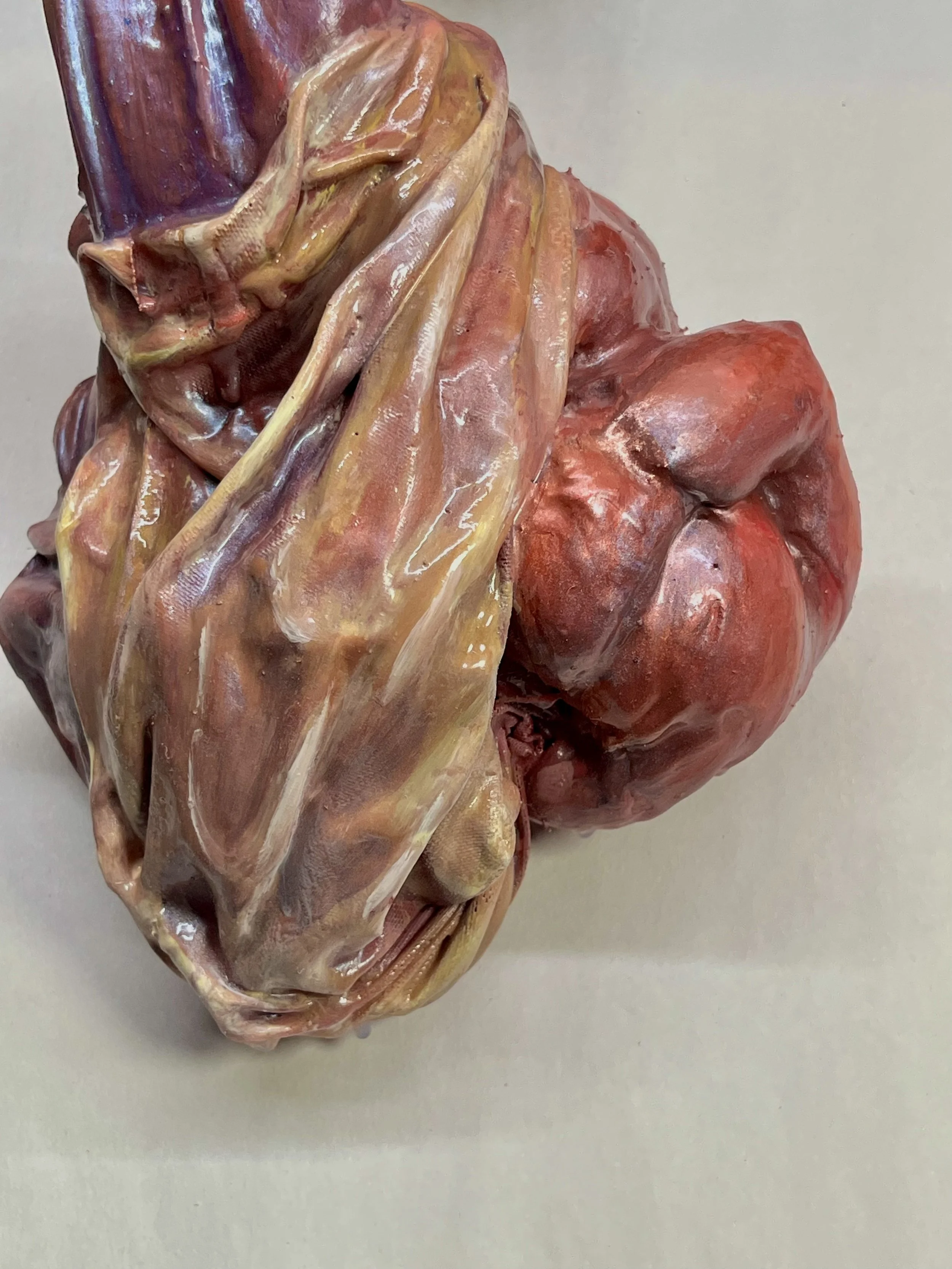
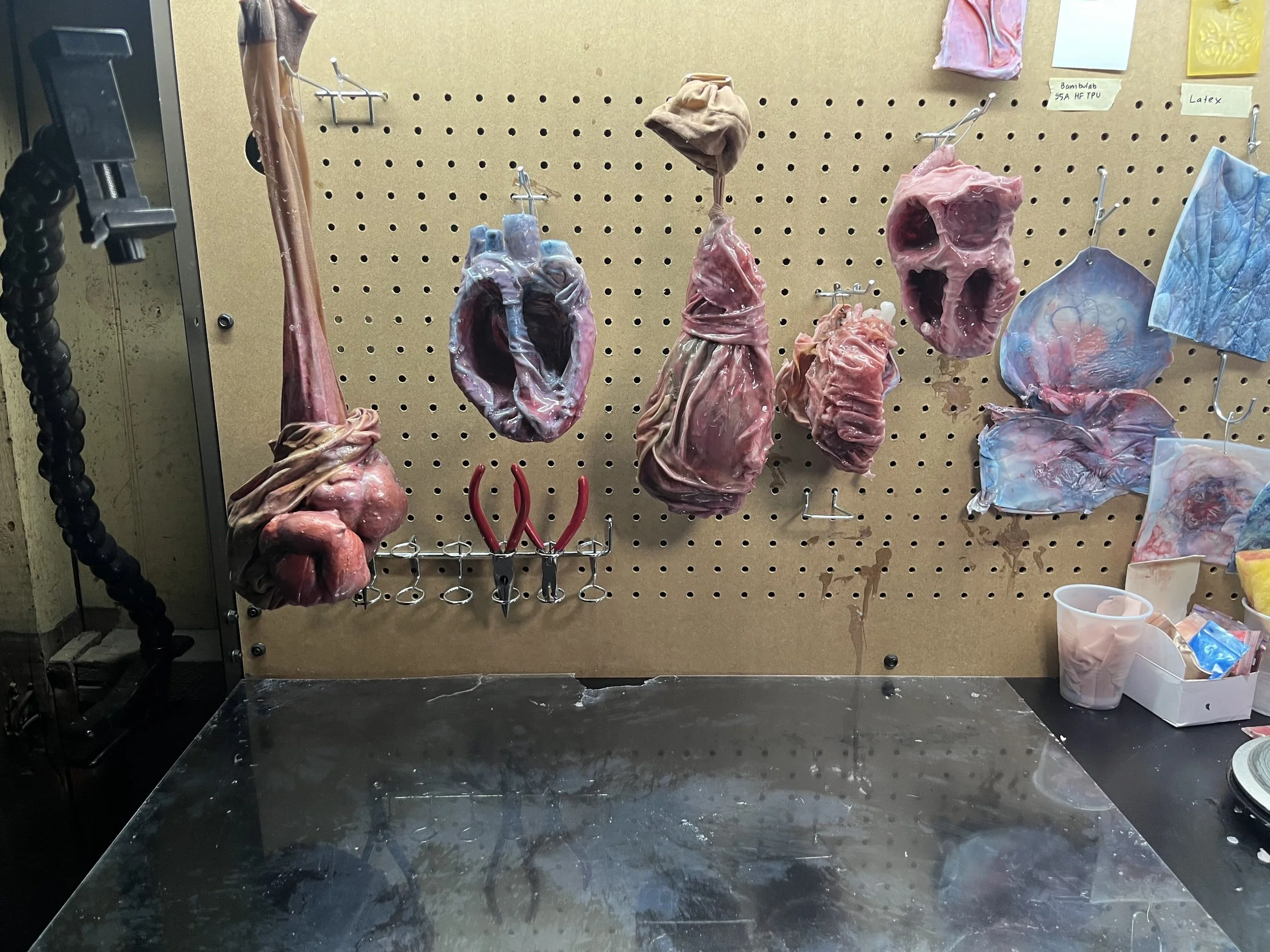
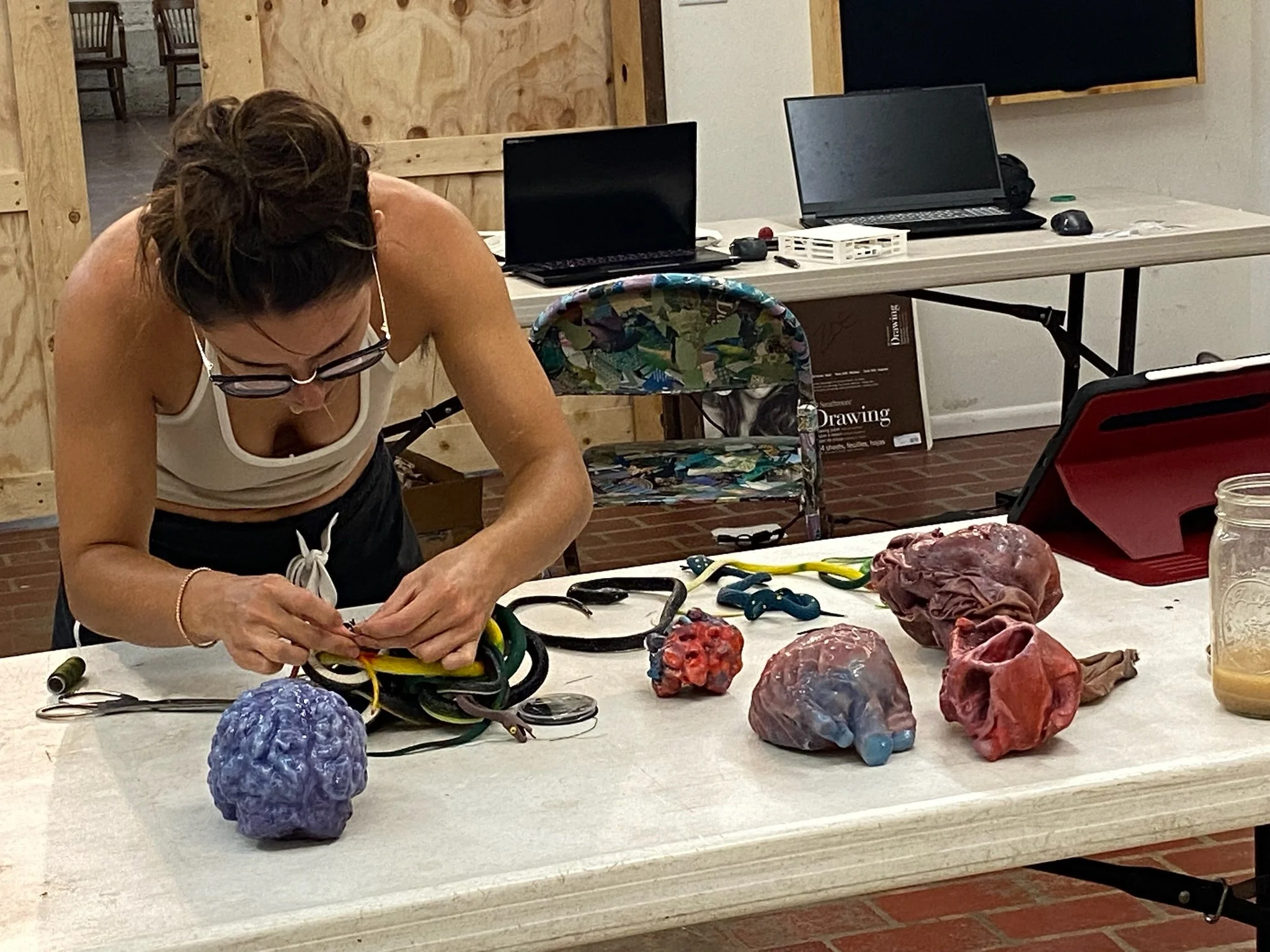
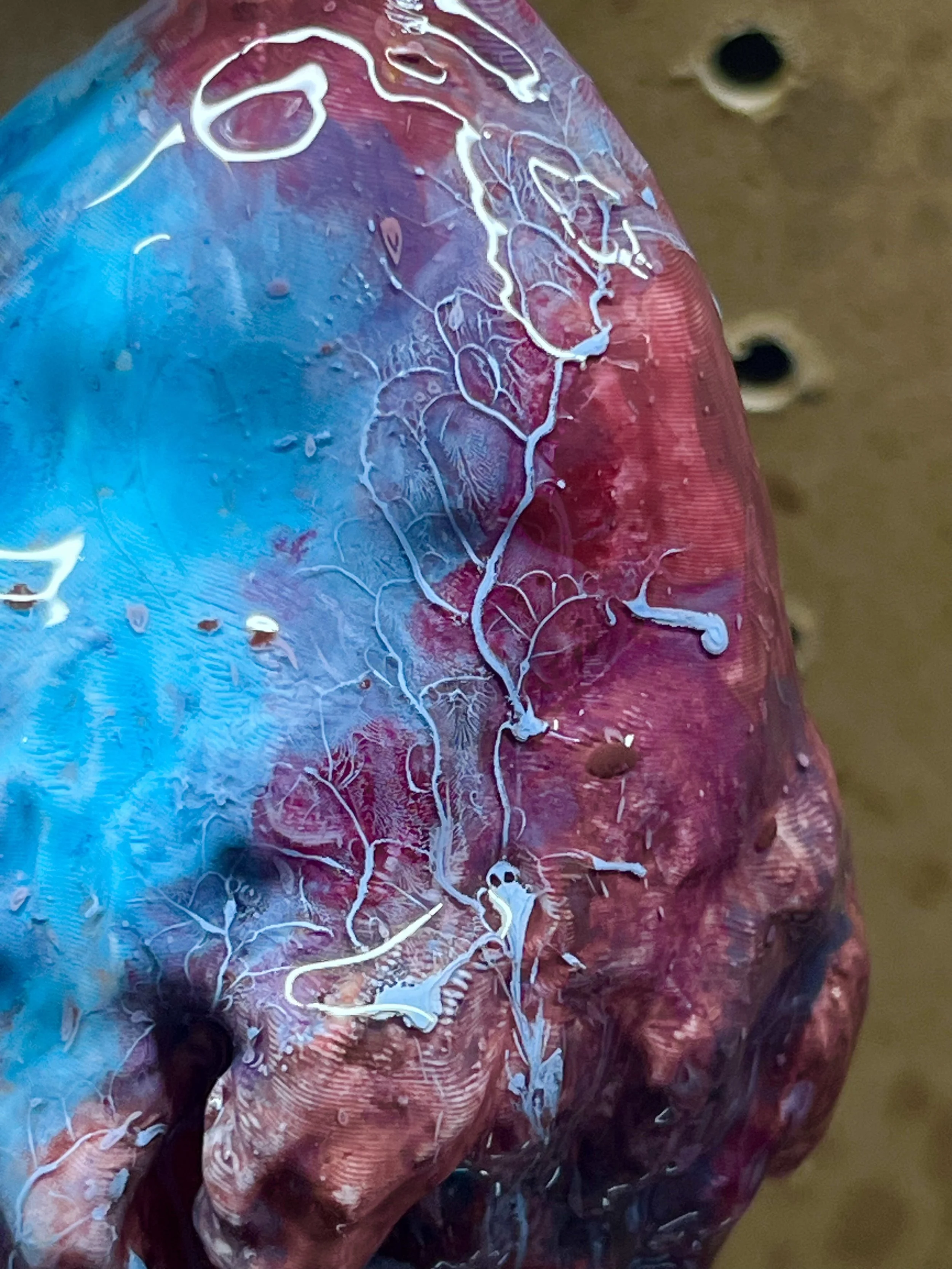
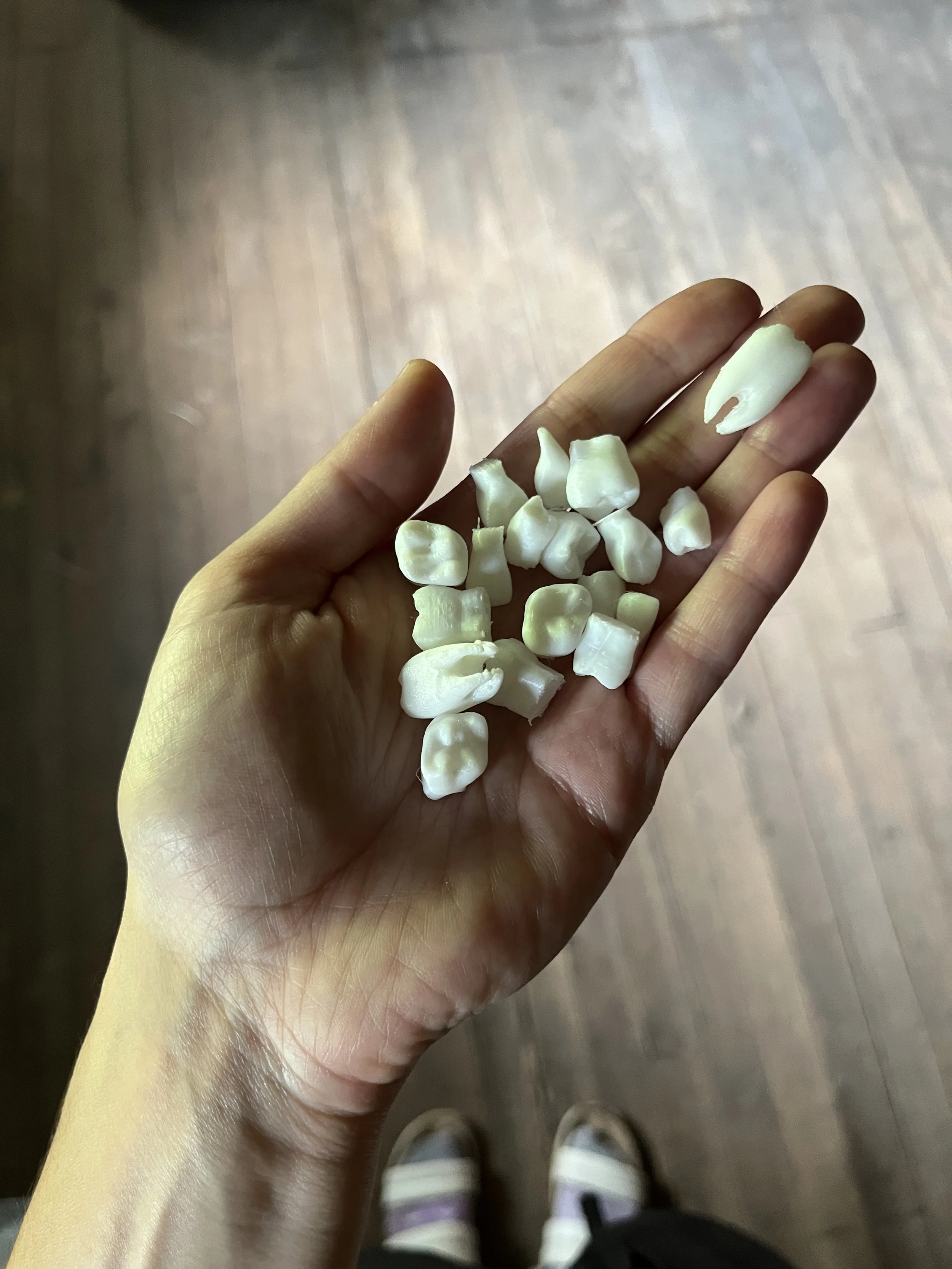
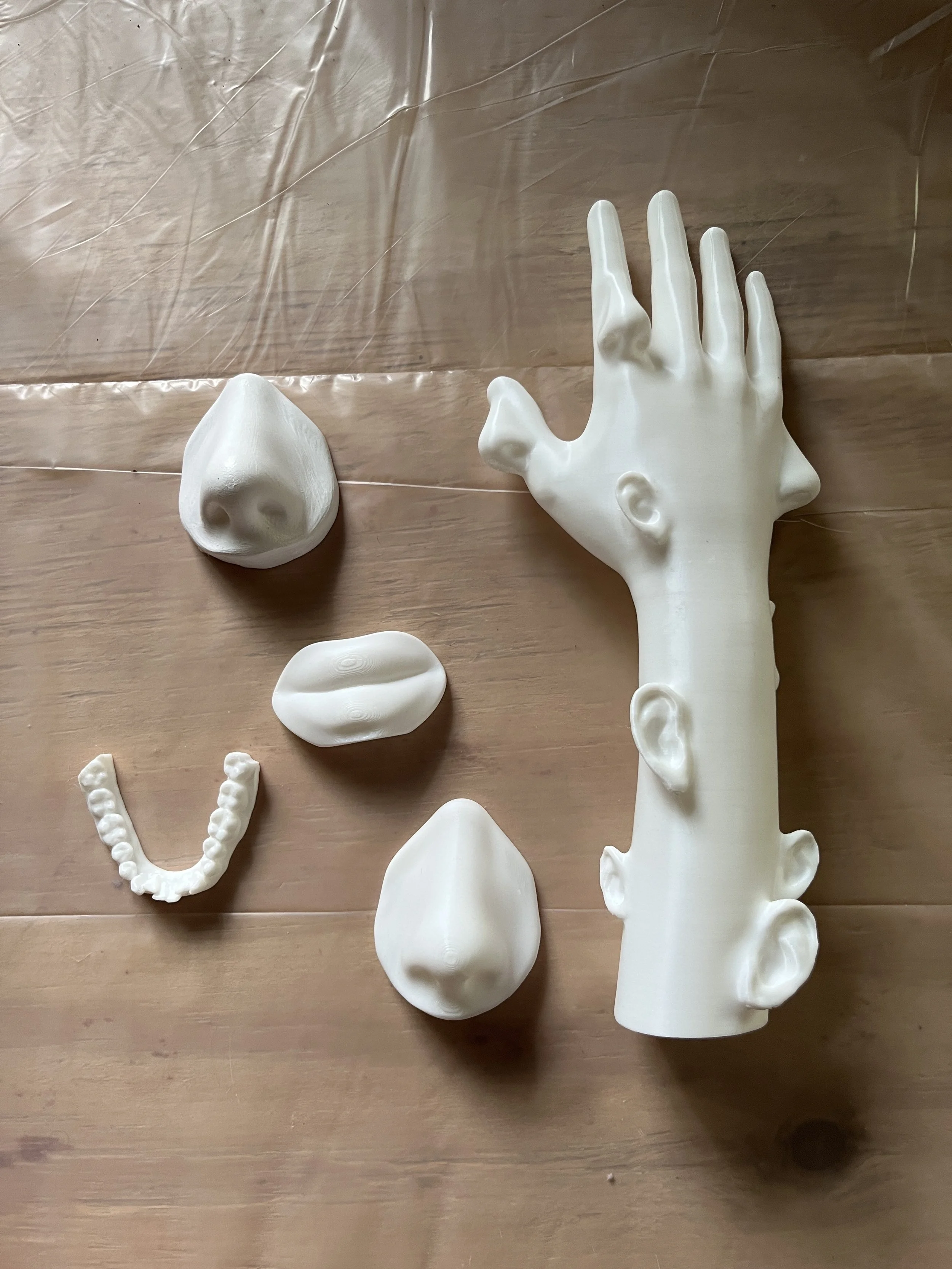
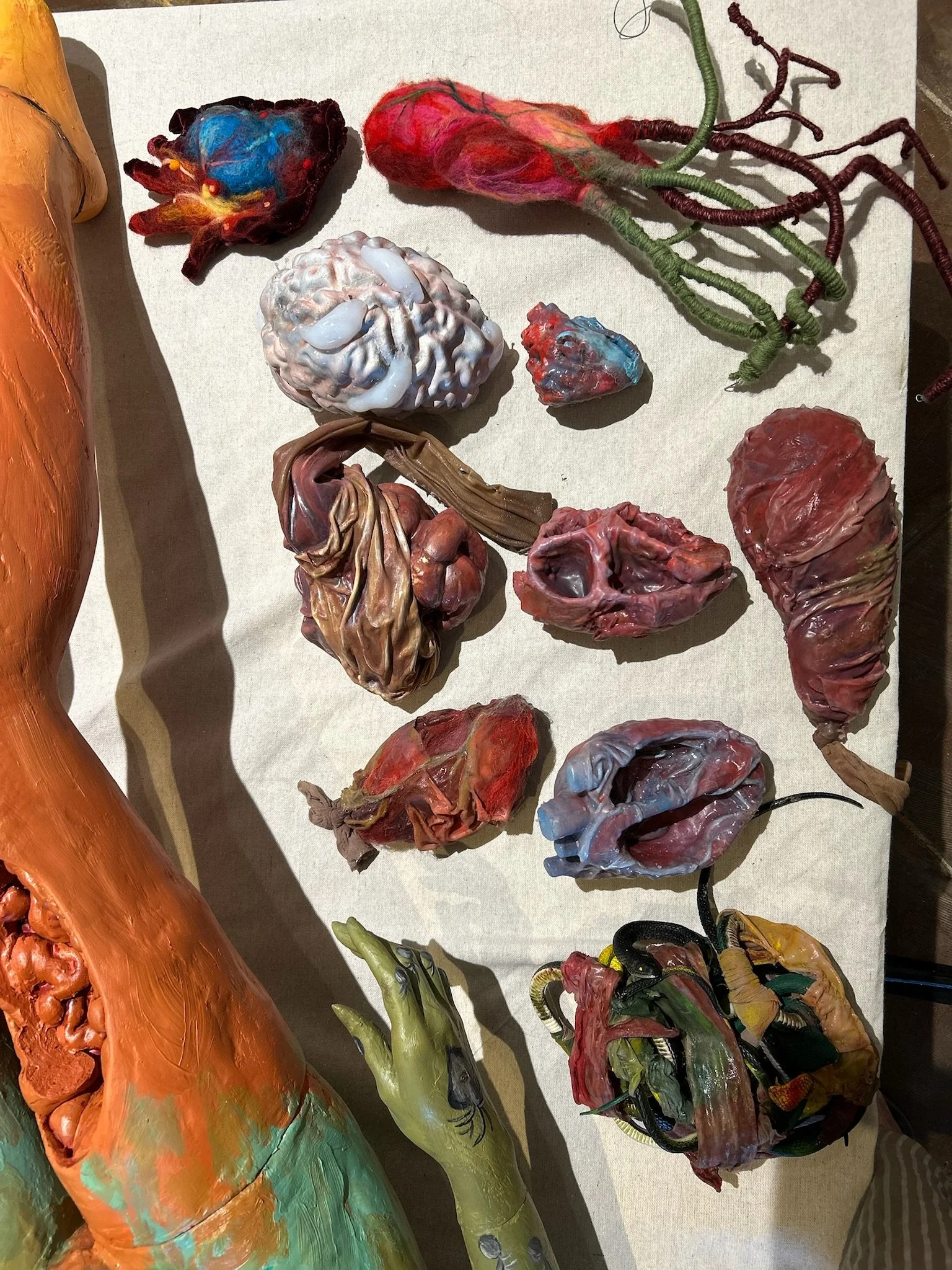
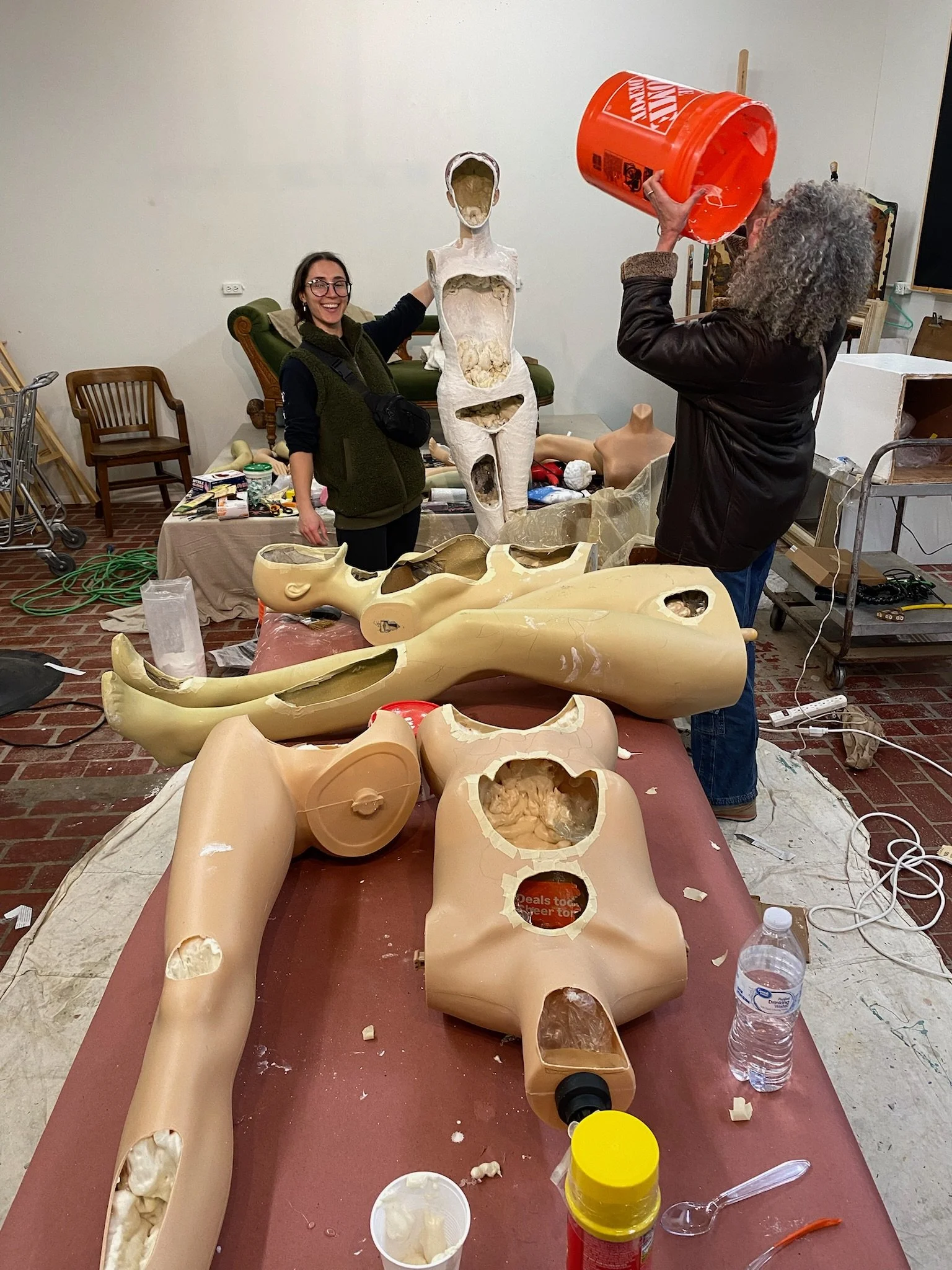
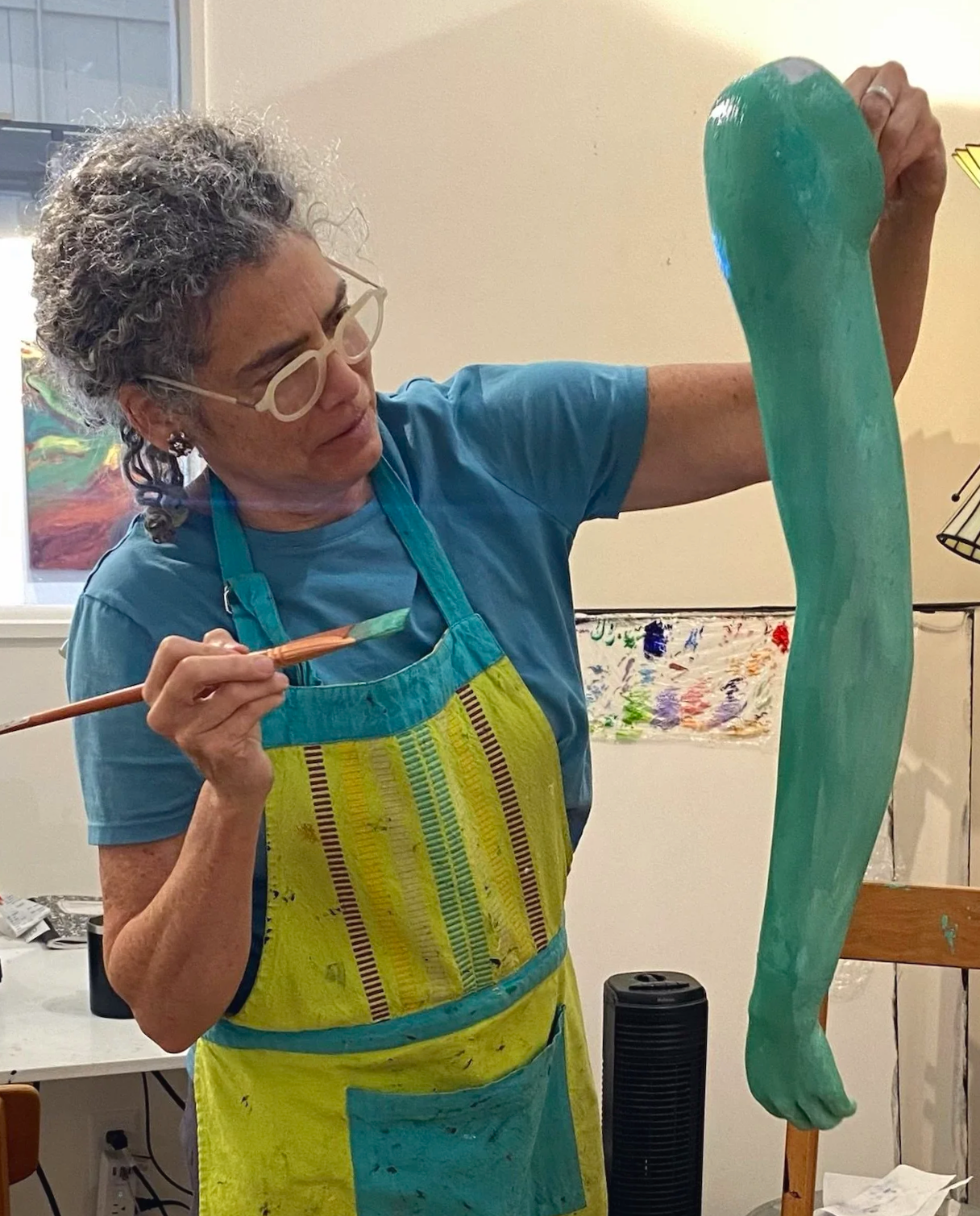
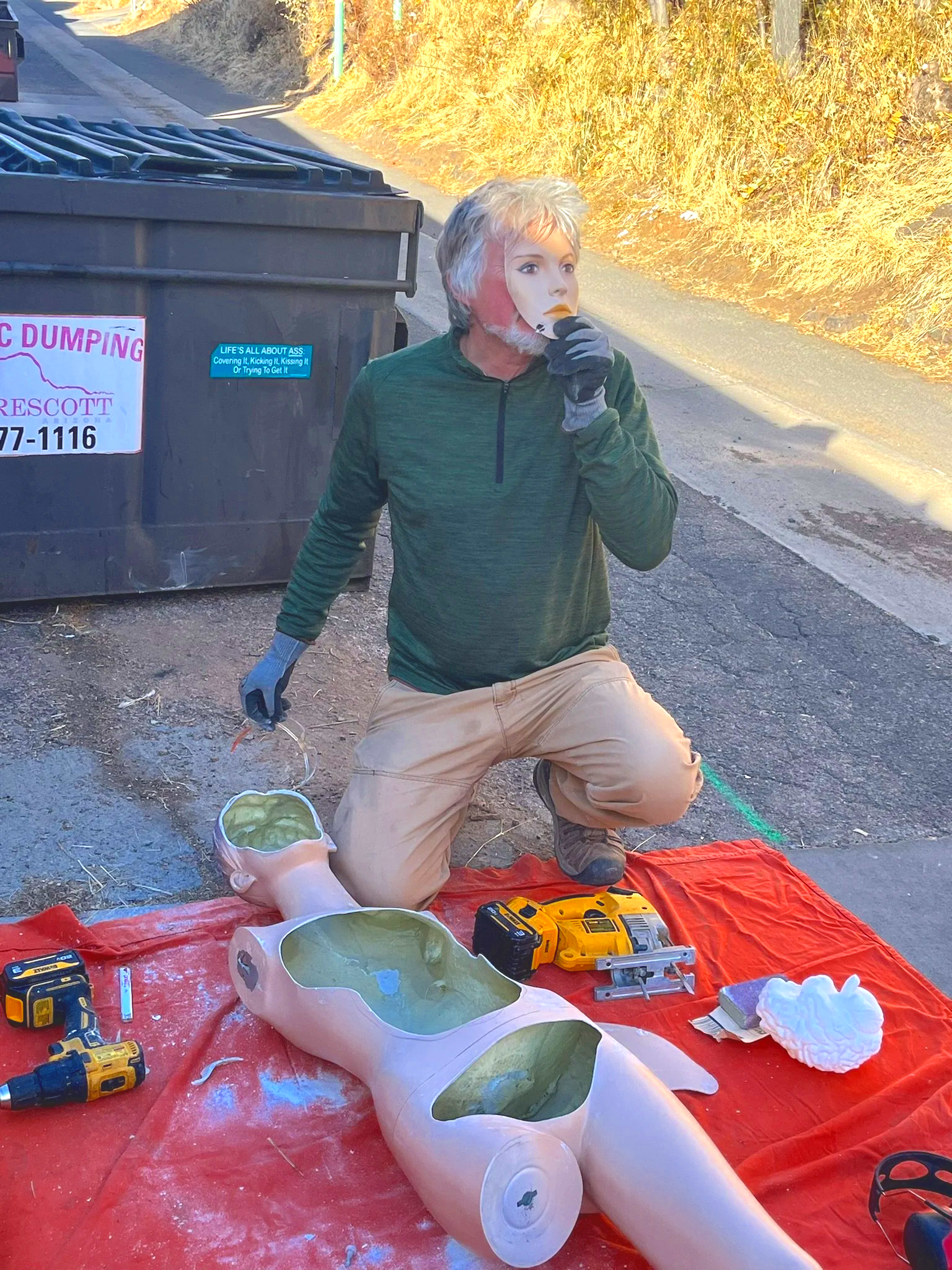
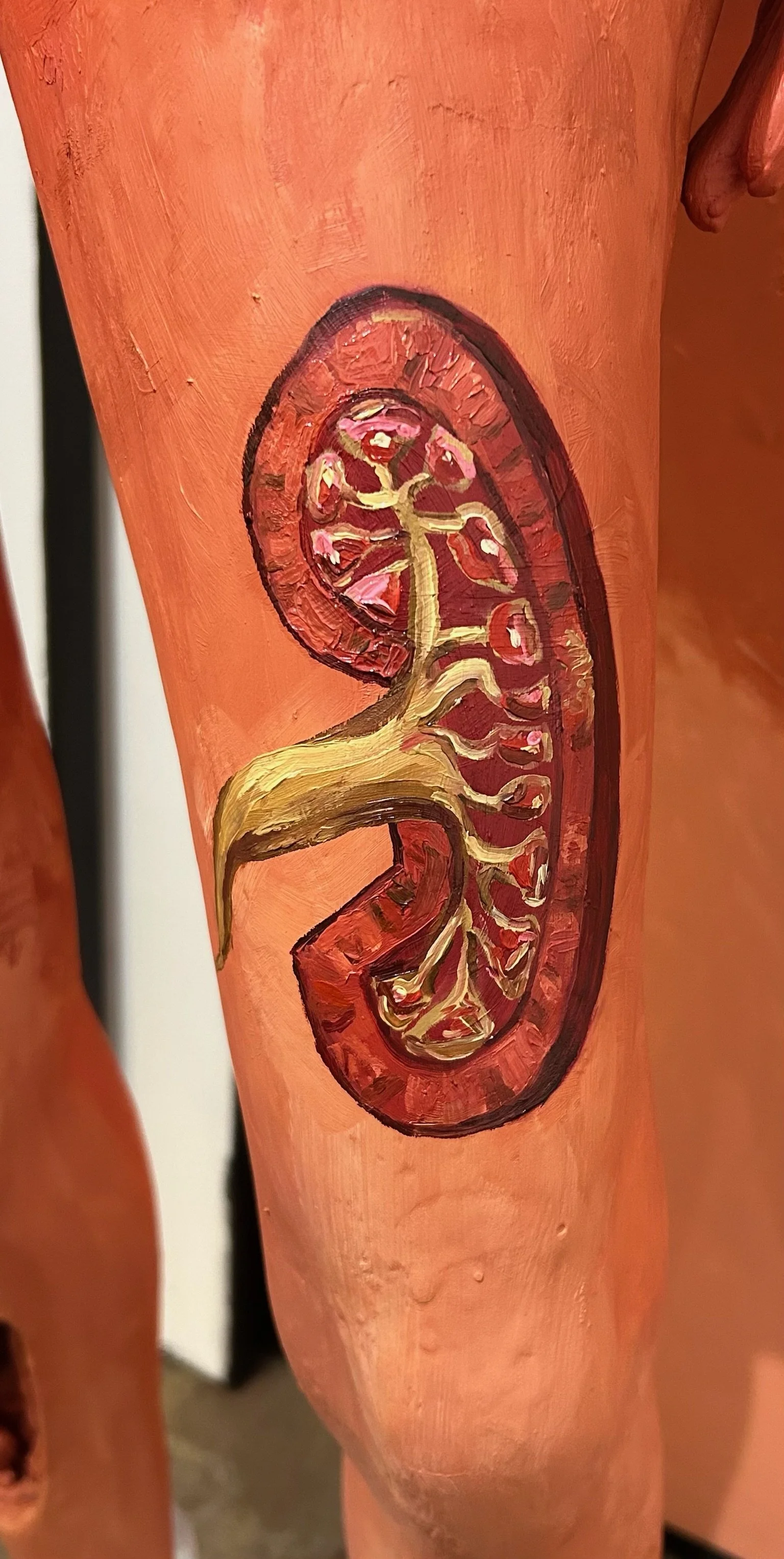
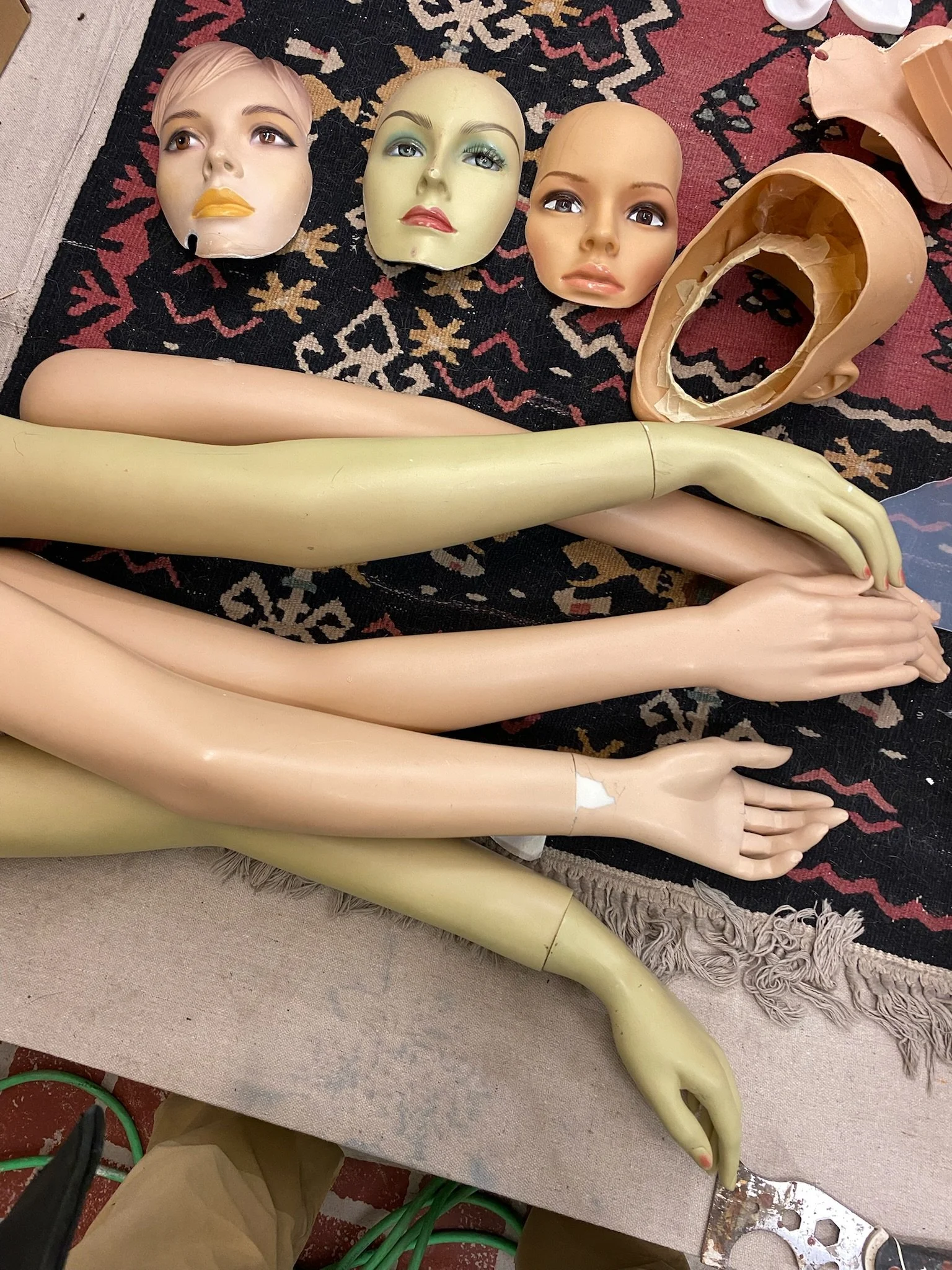
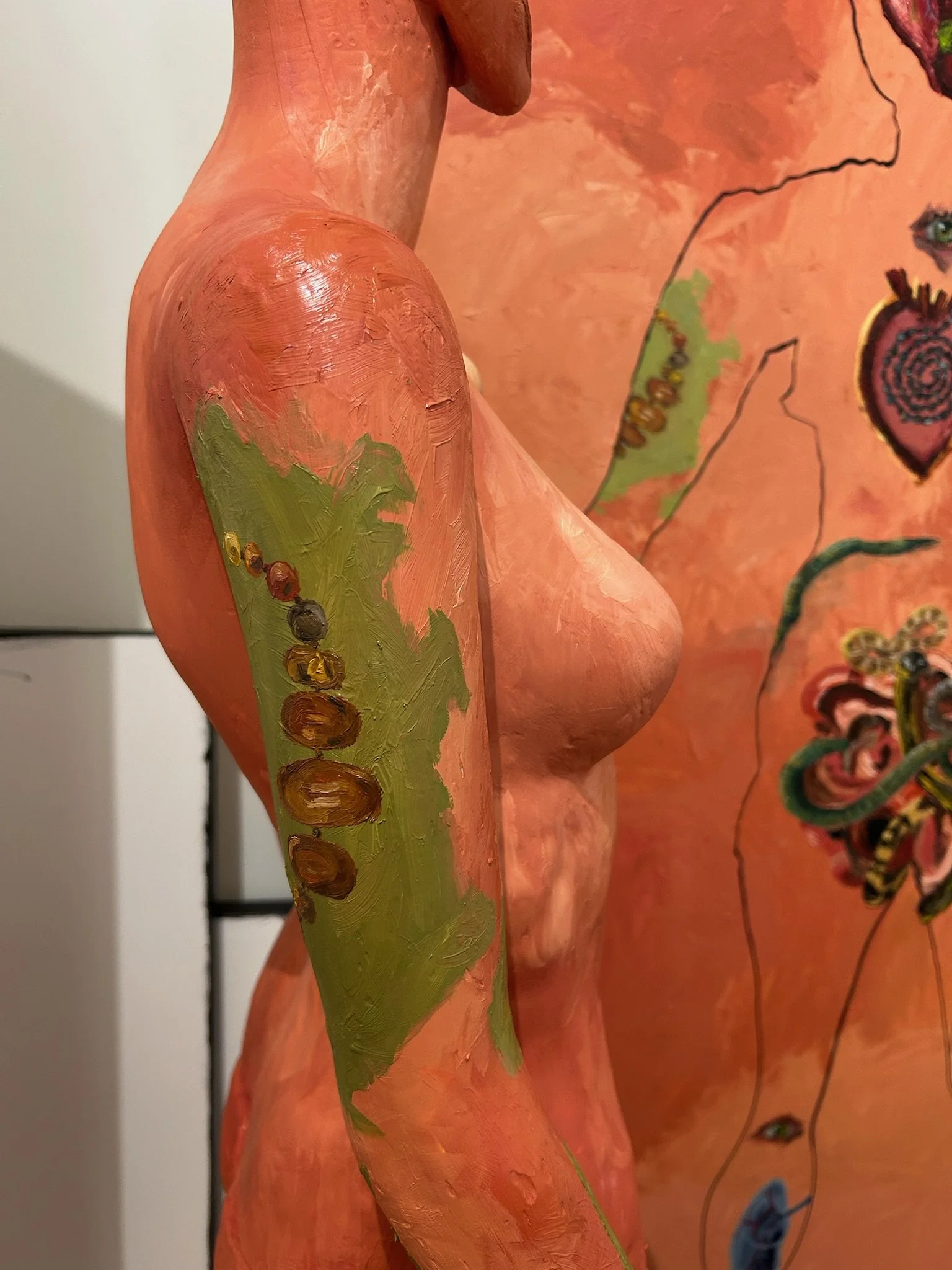
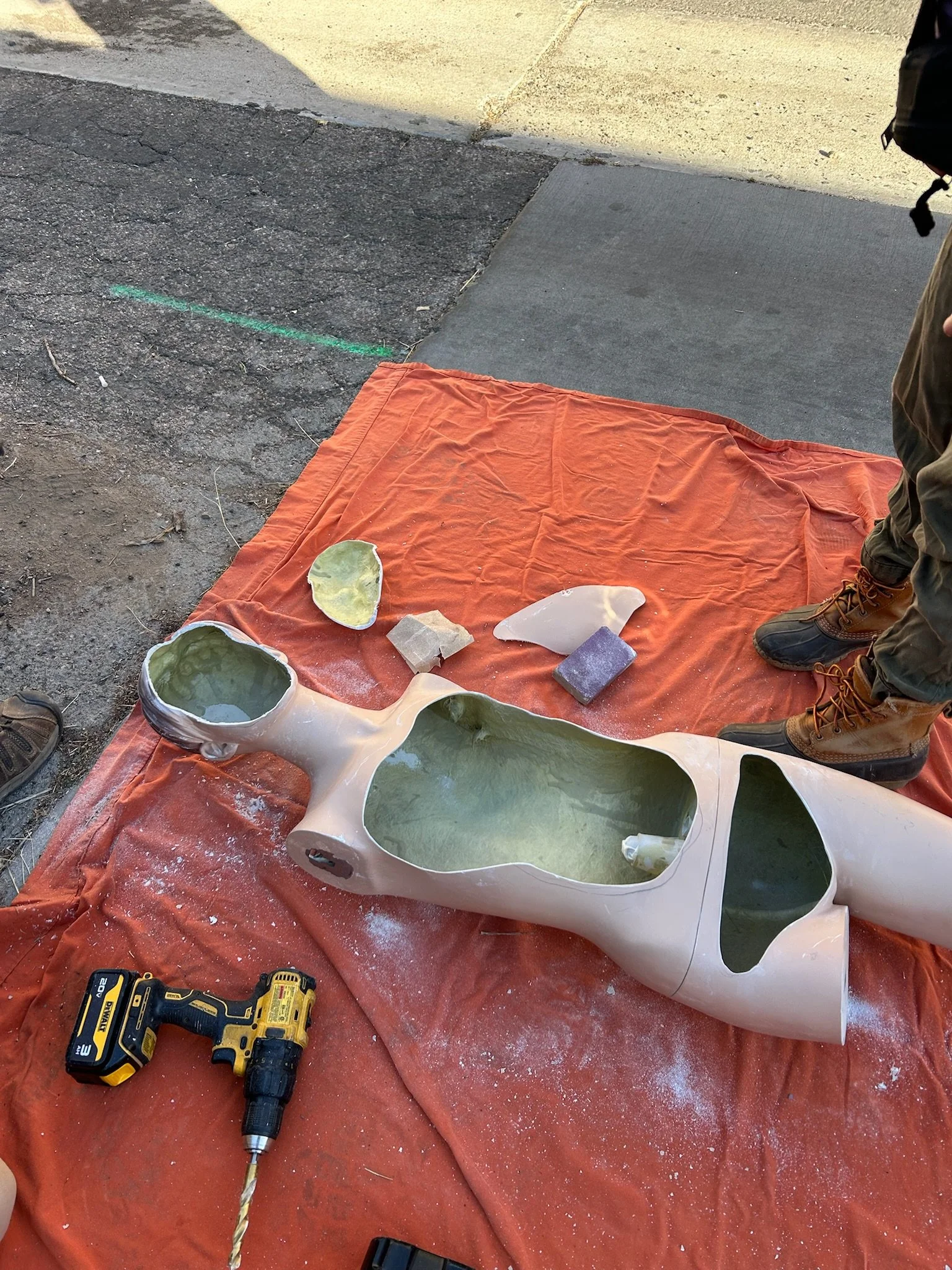
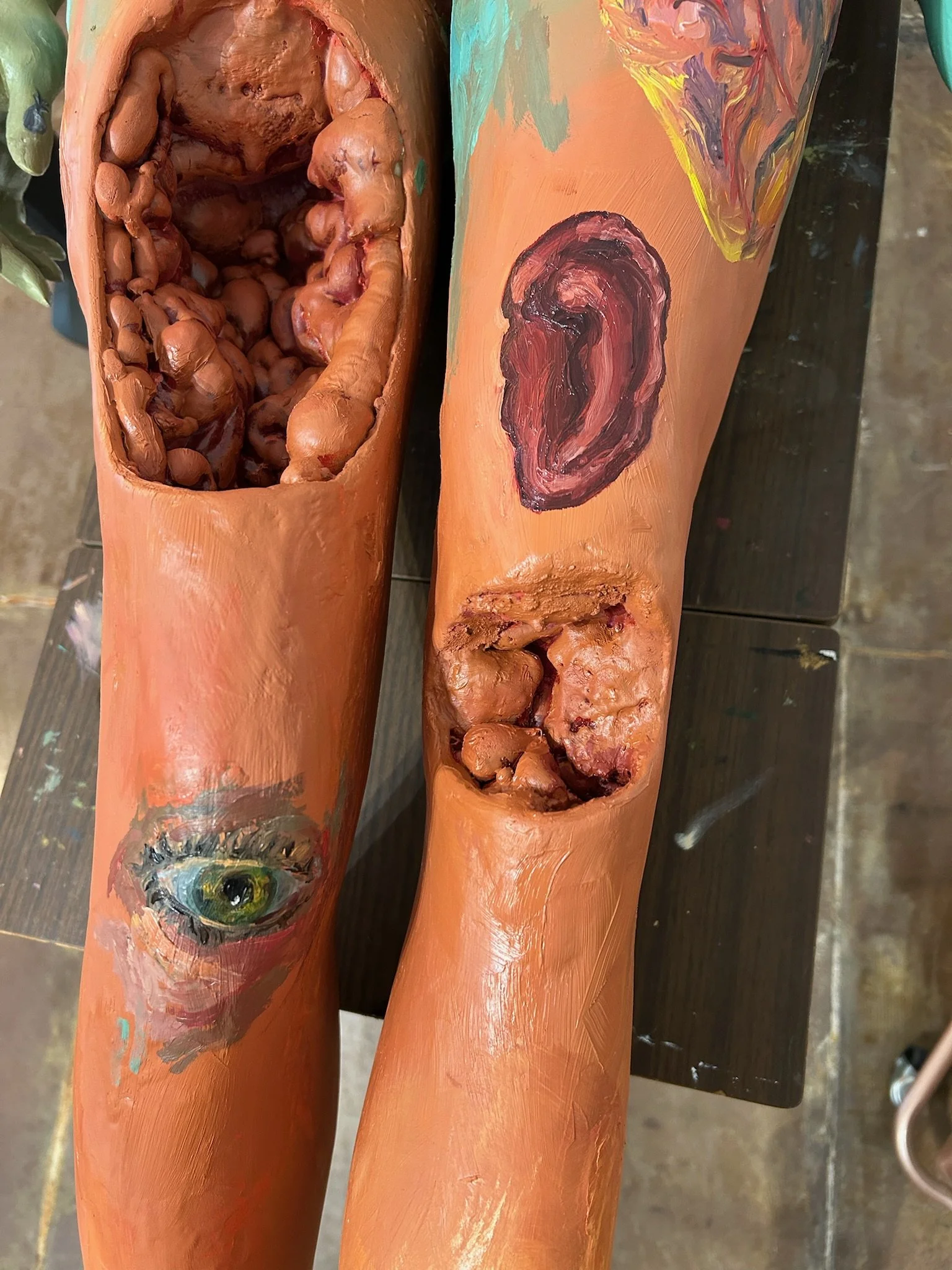
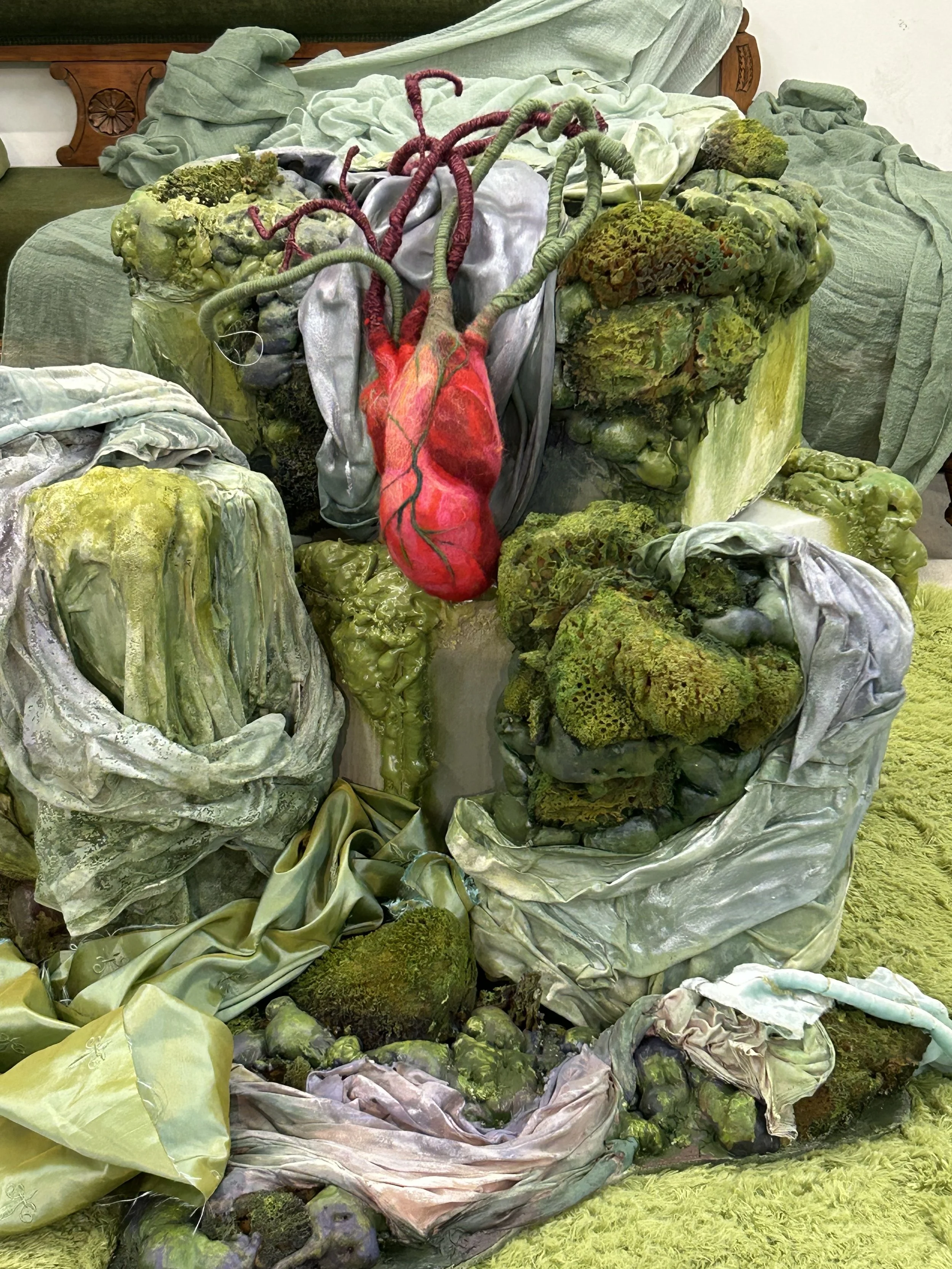
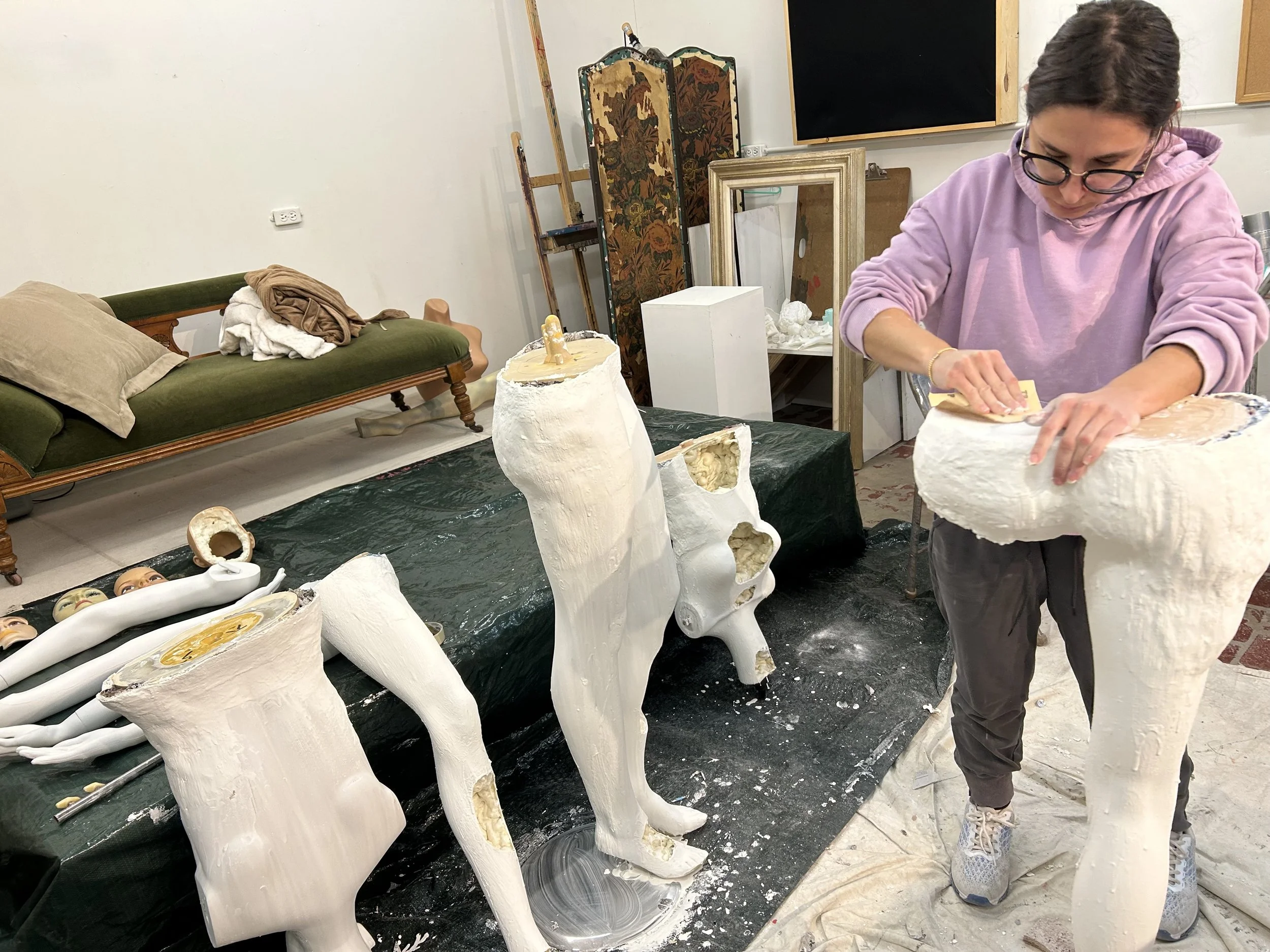
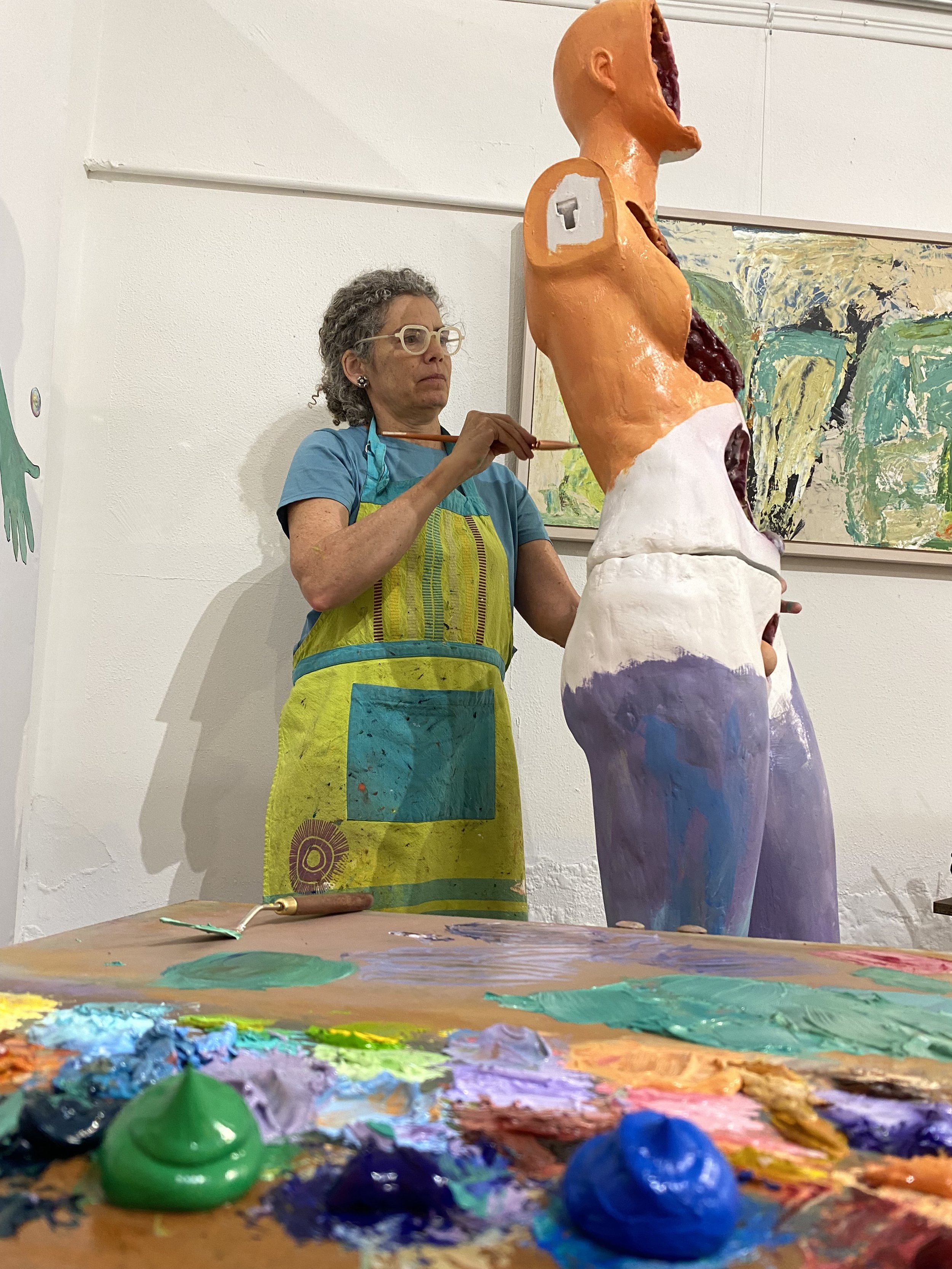
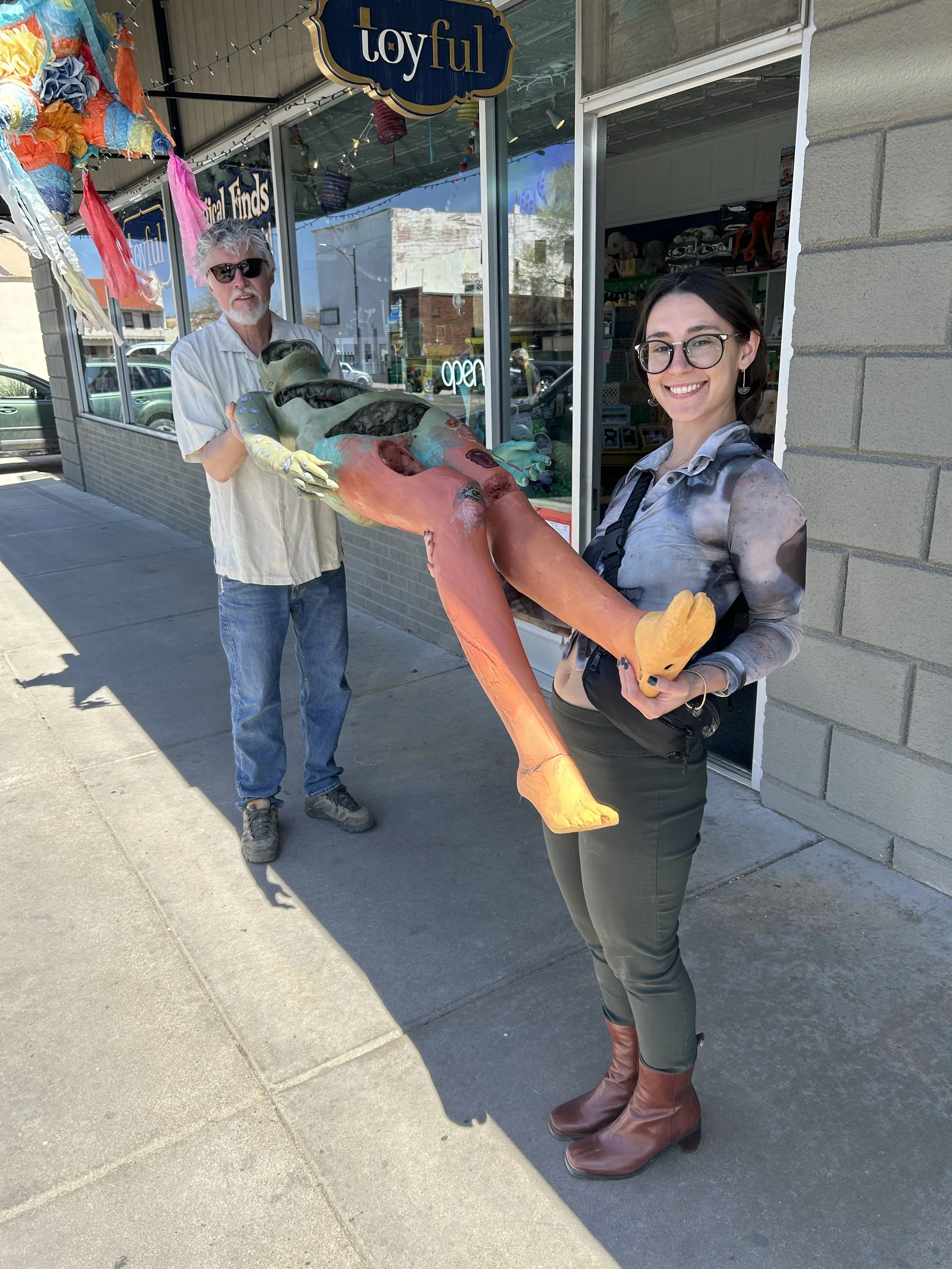
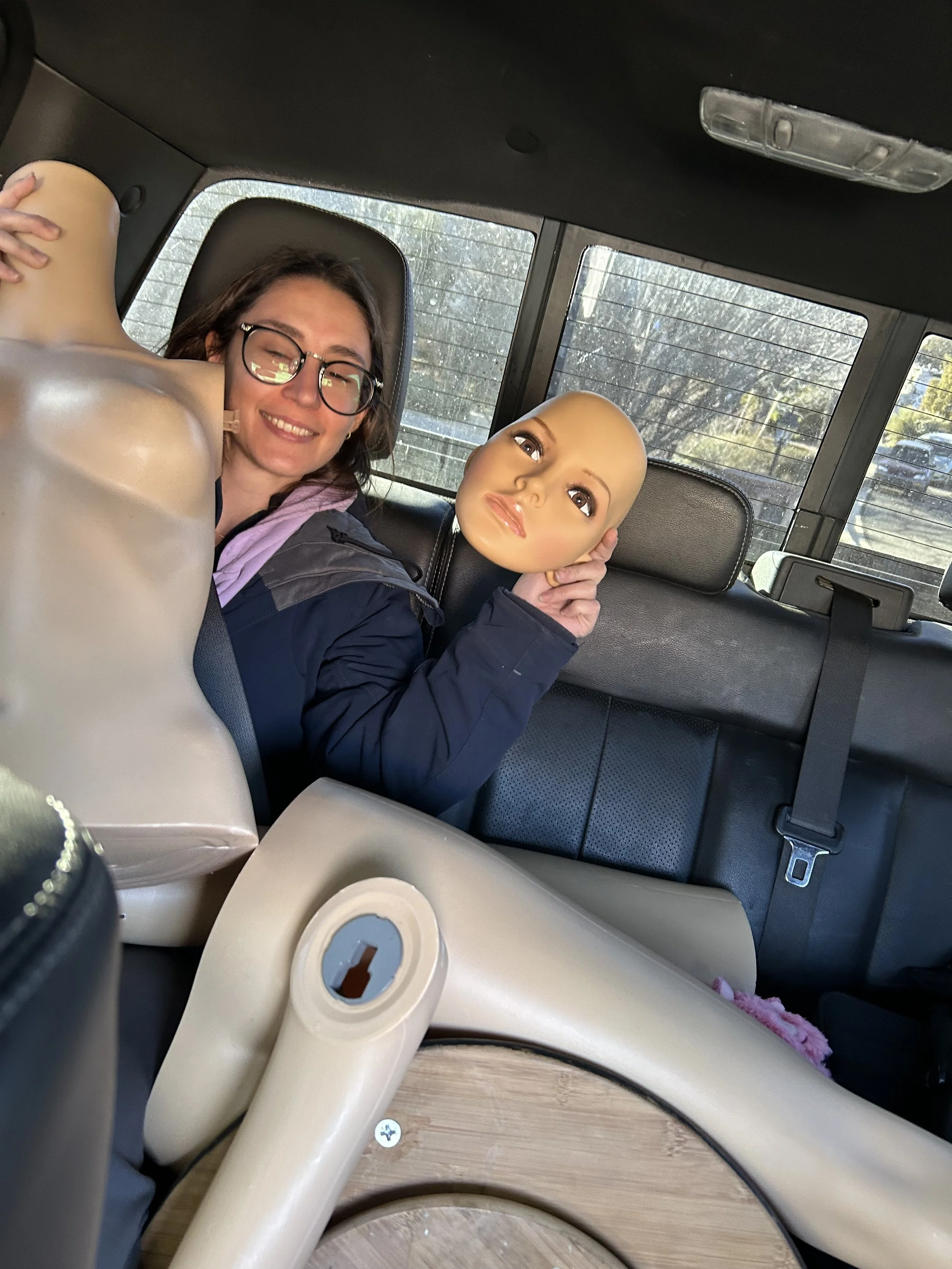
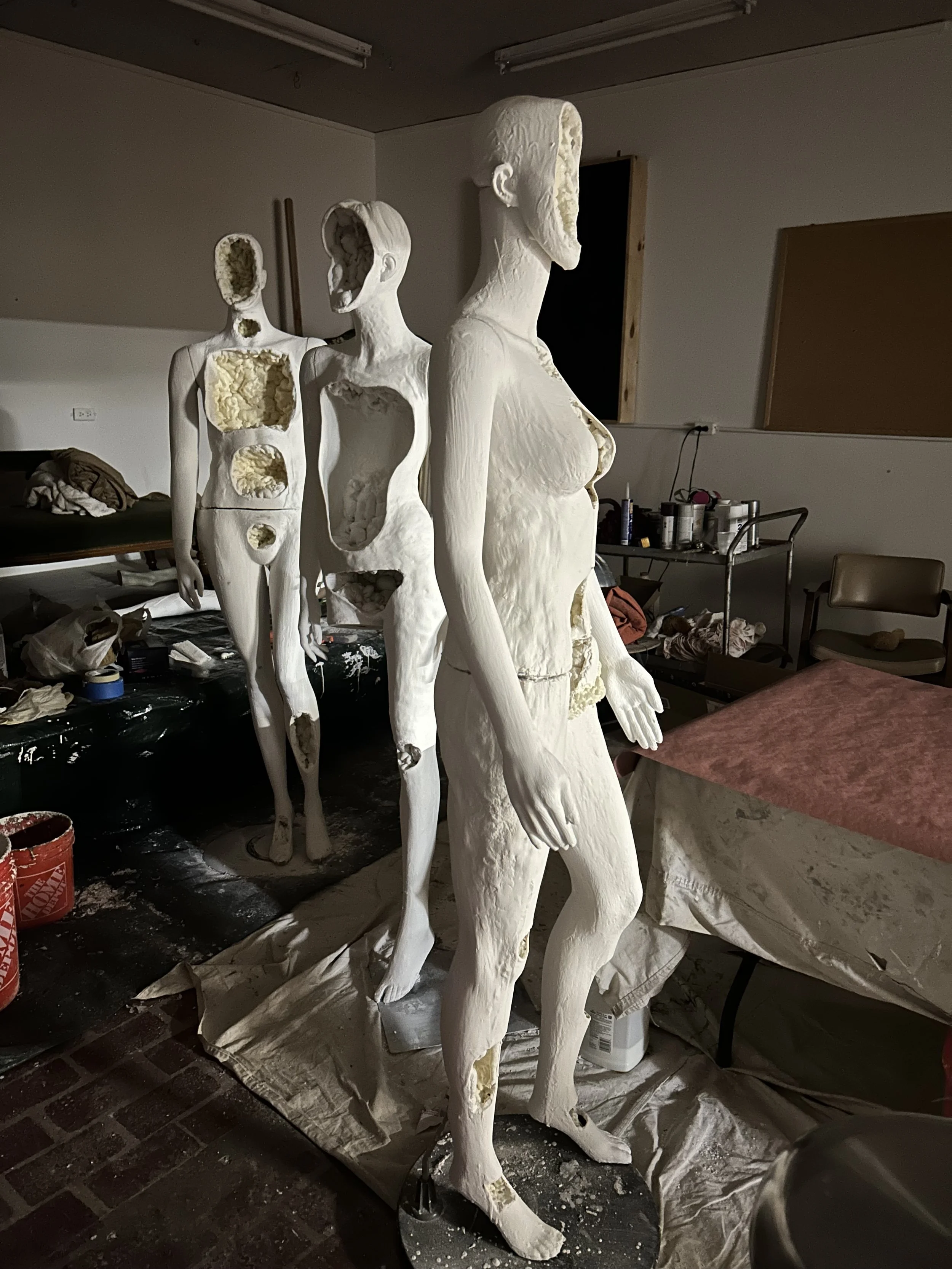
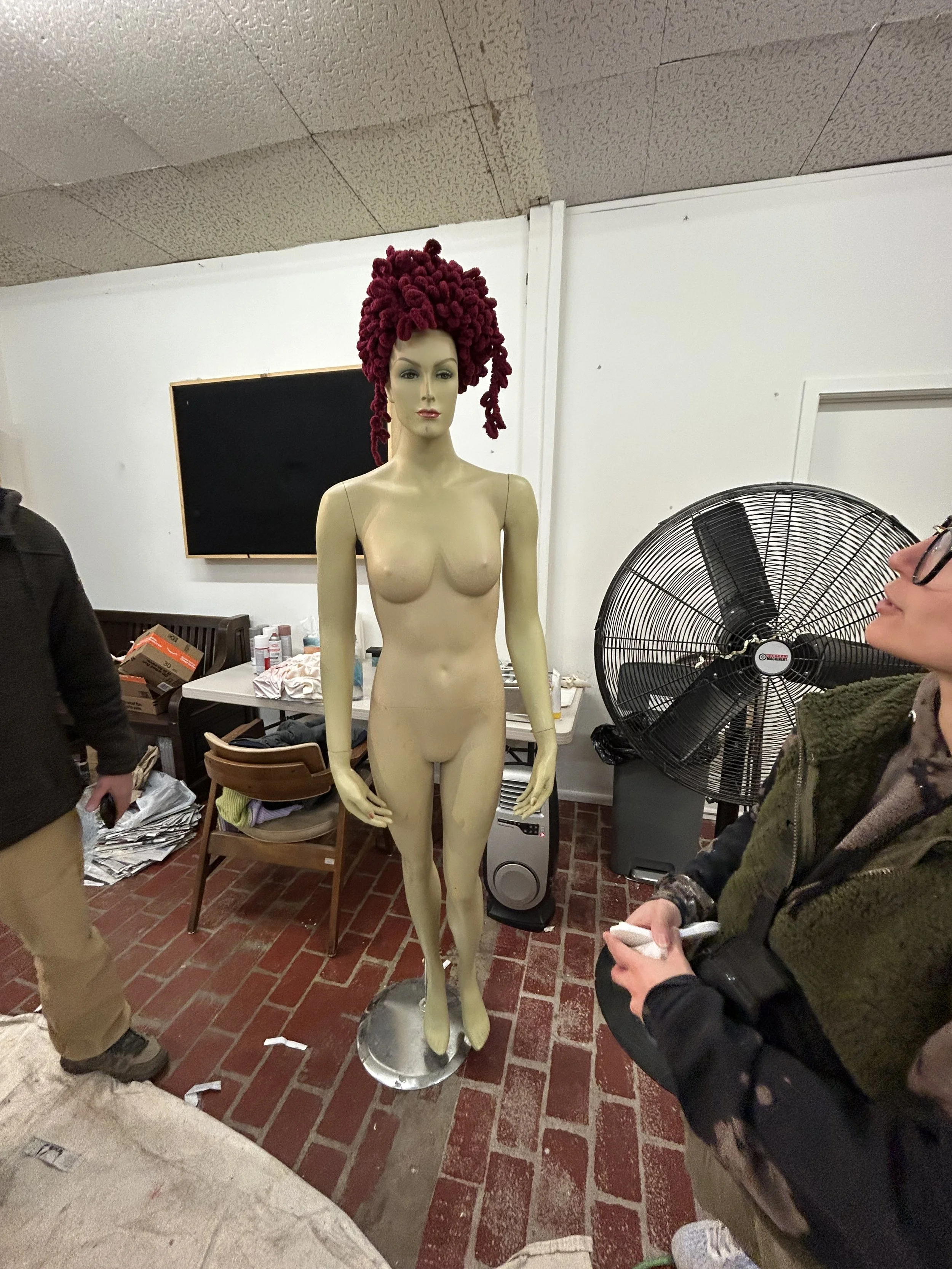
The process of translating 2D media into 3D objects was extremely interesting and iterative. Carole has extensive experience in painting, while I have a robust background in 3D modeling and animation, but neither of us had dabbled in sculpture. The figurative sculptures utilized mannequins as a base, but we heavily augmented their bodies through carving, plastering, and painting their forms.
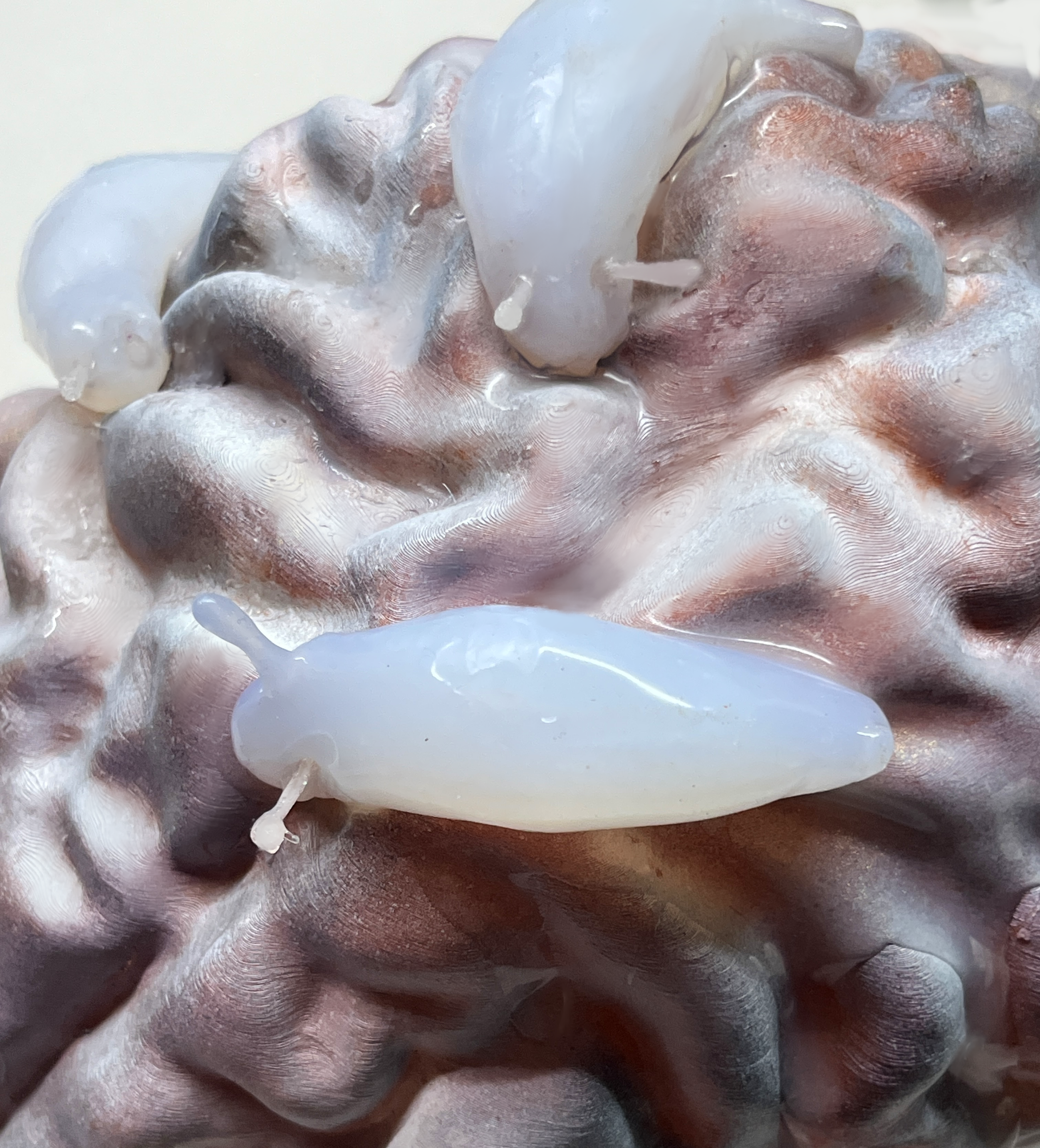
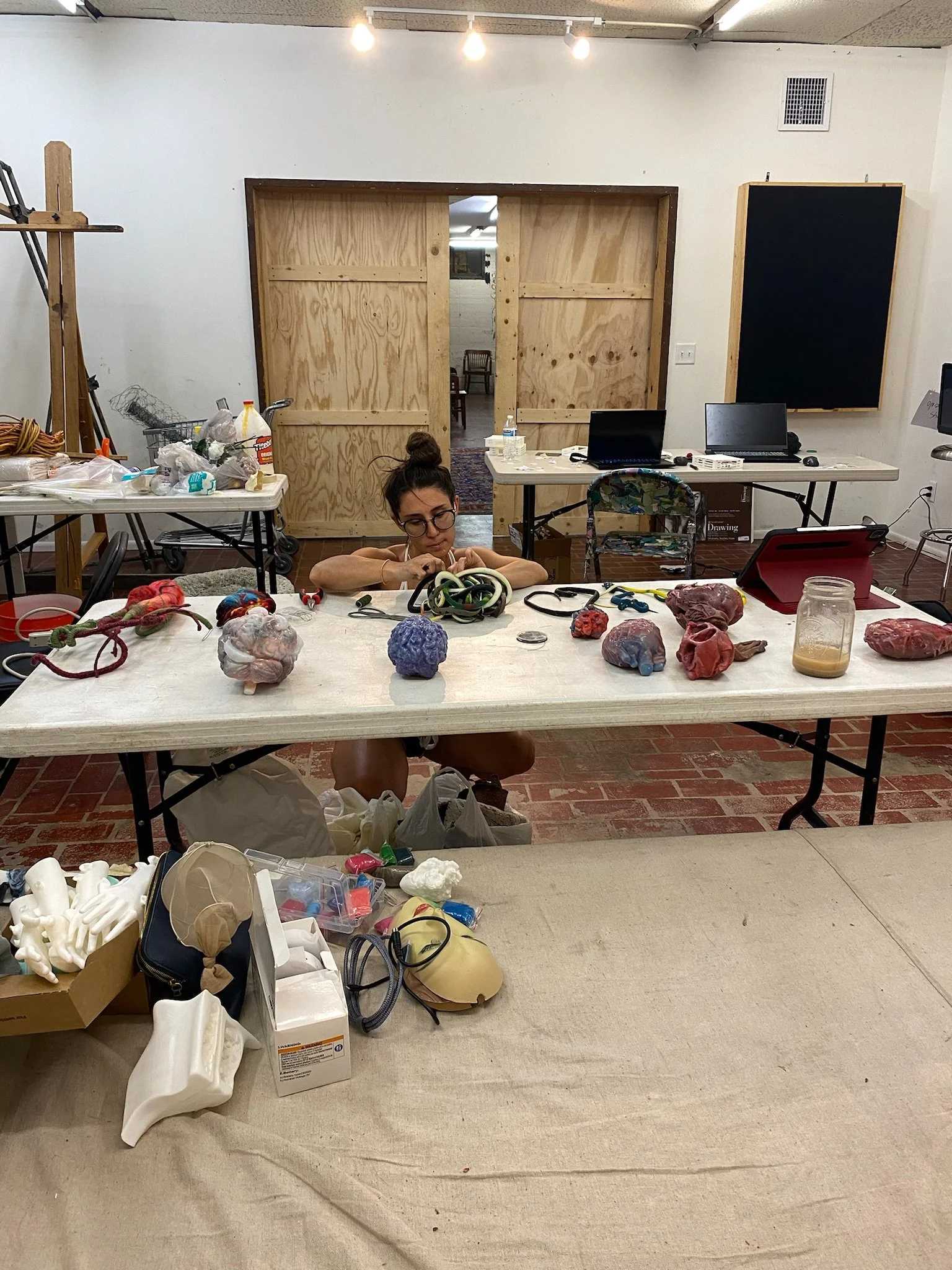
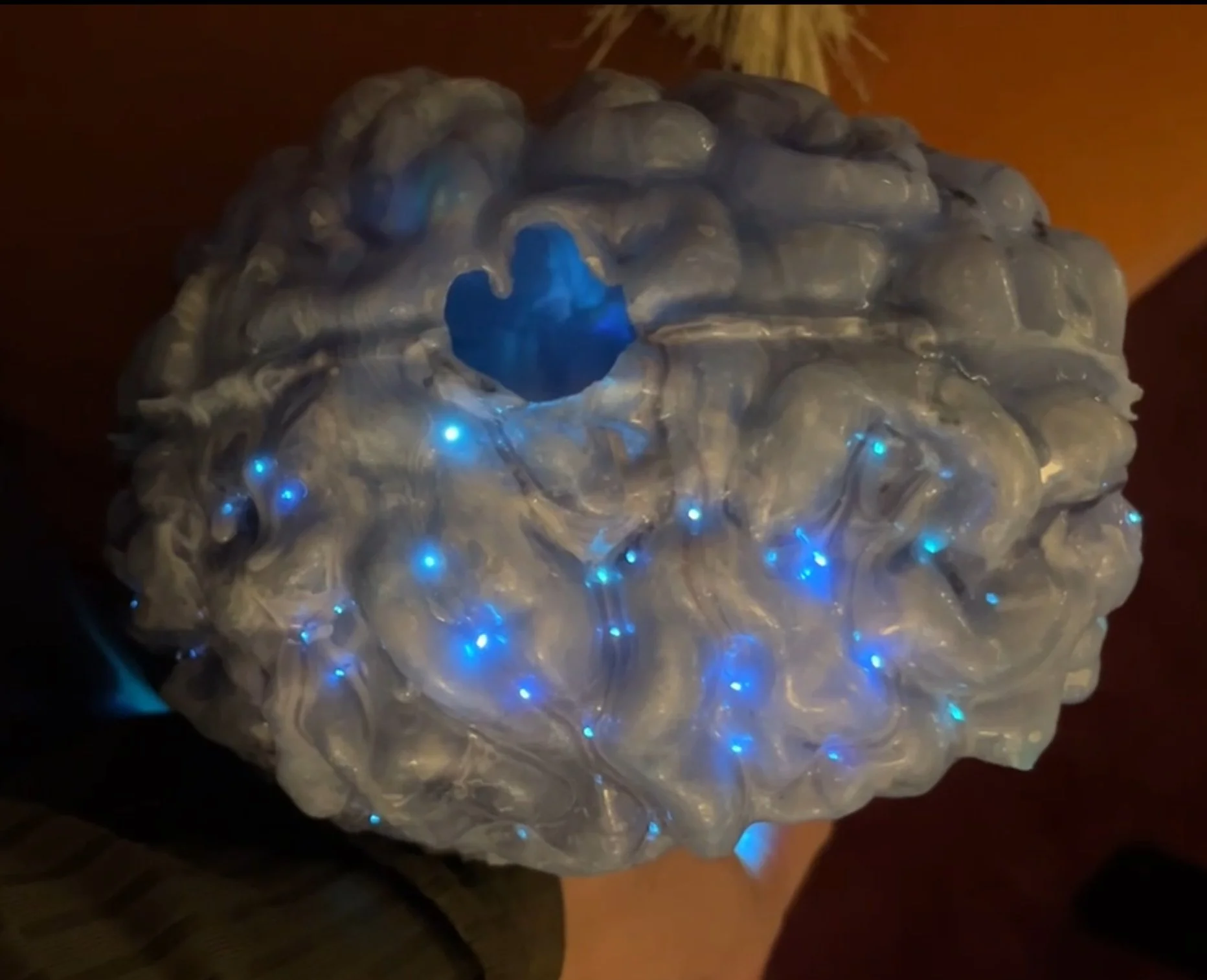
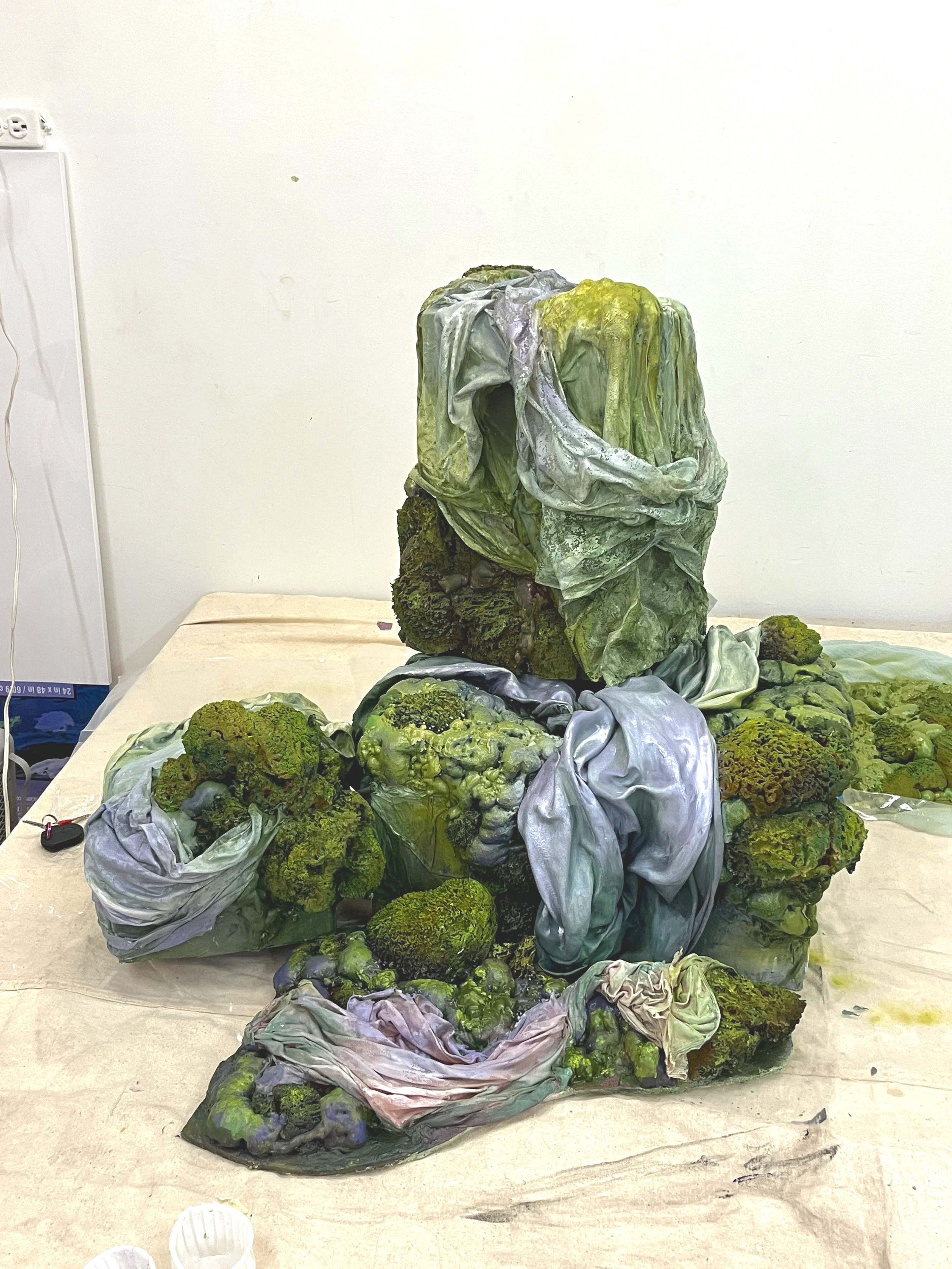
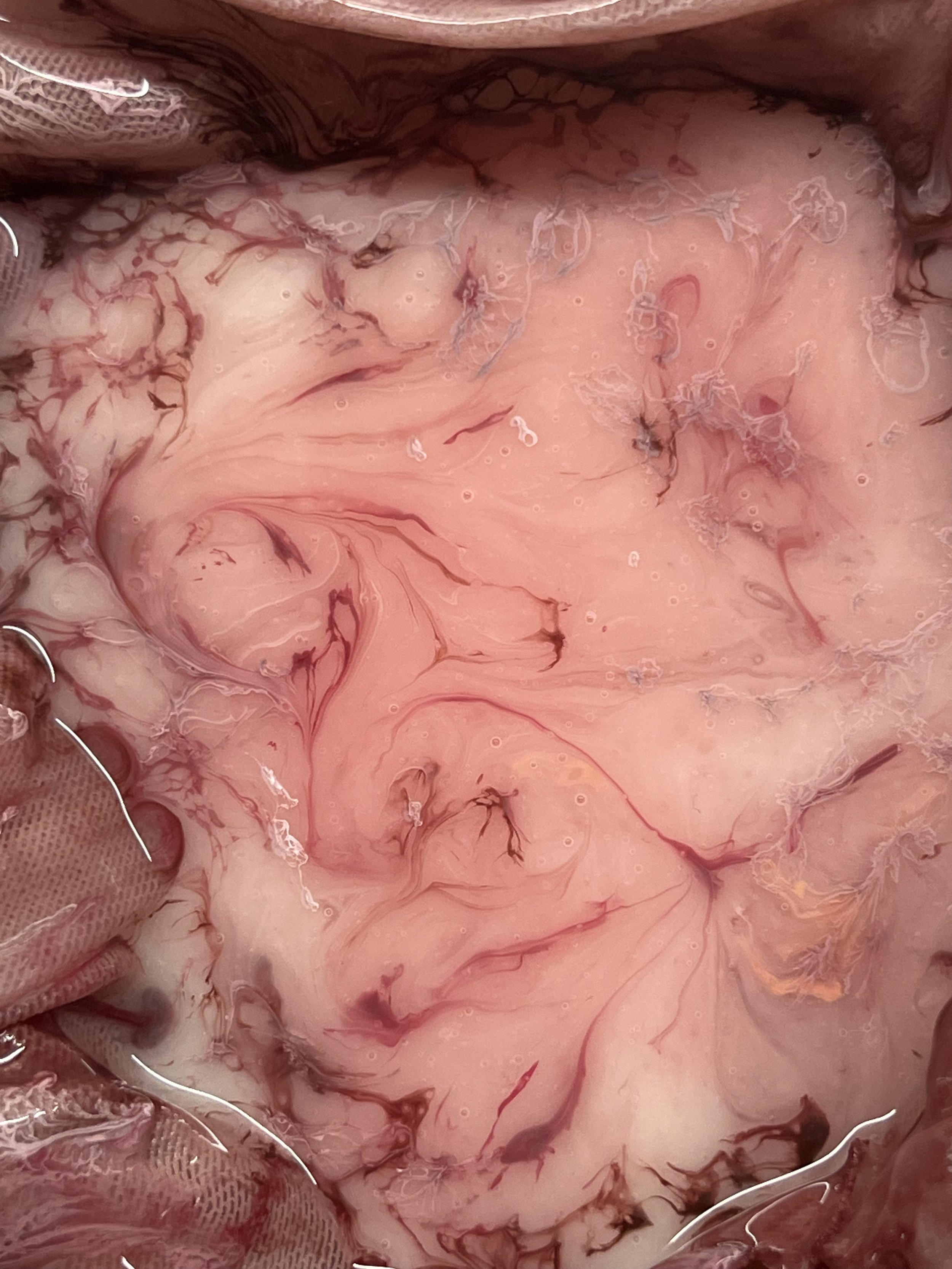
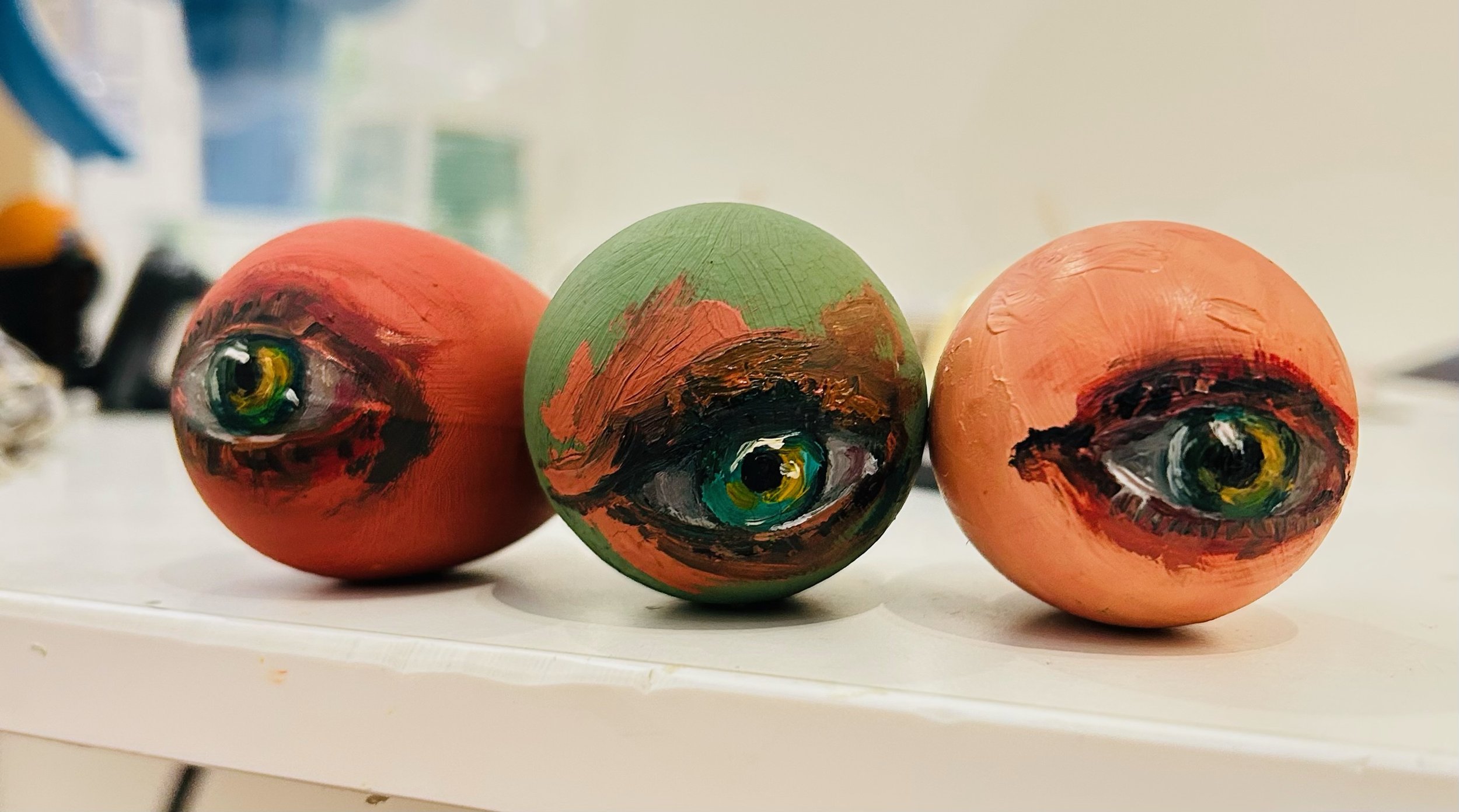
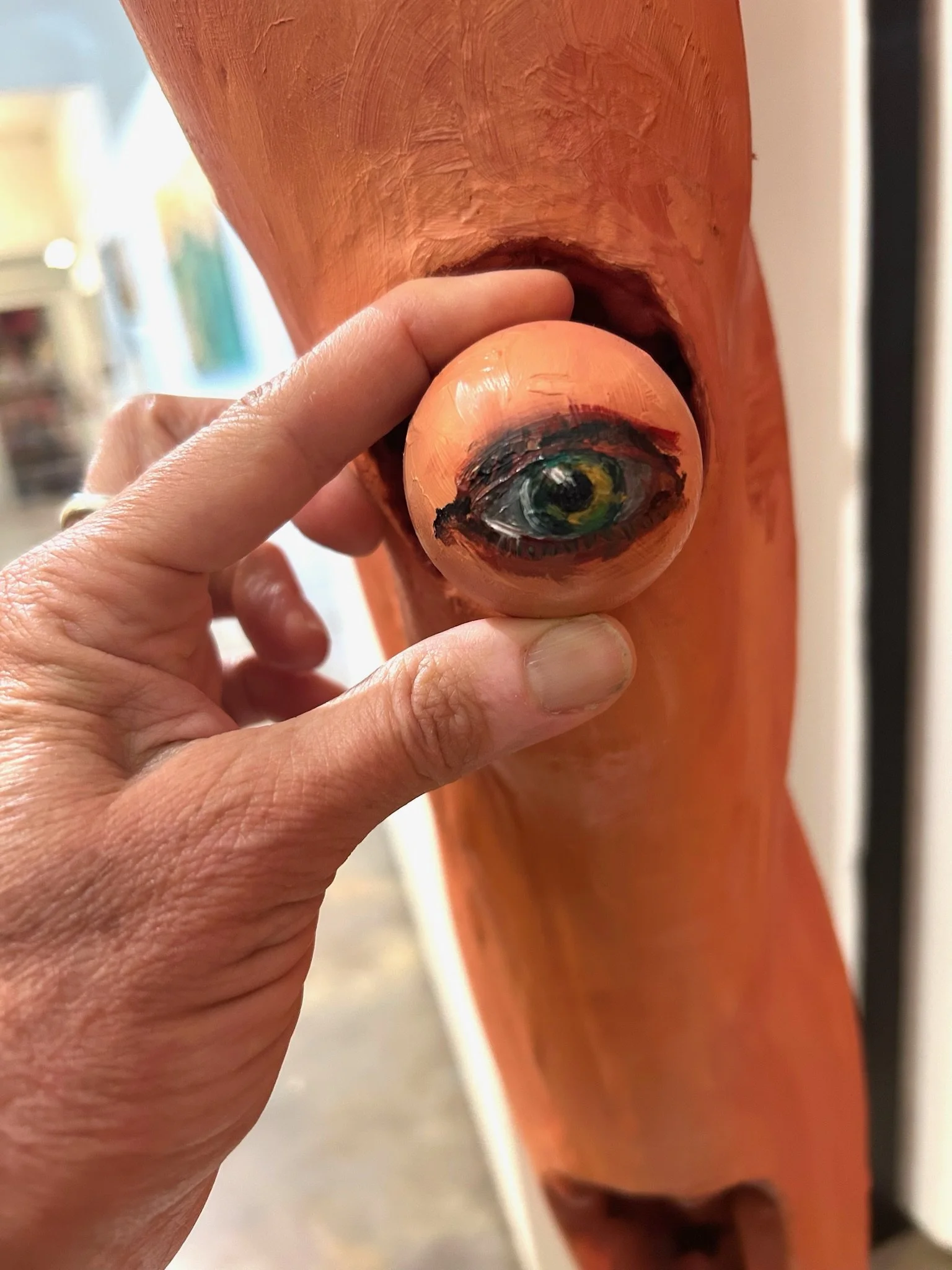
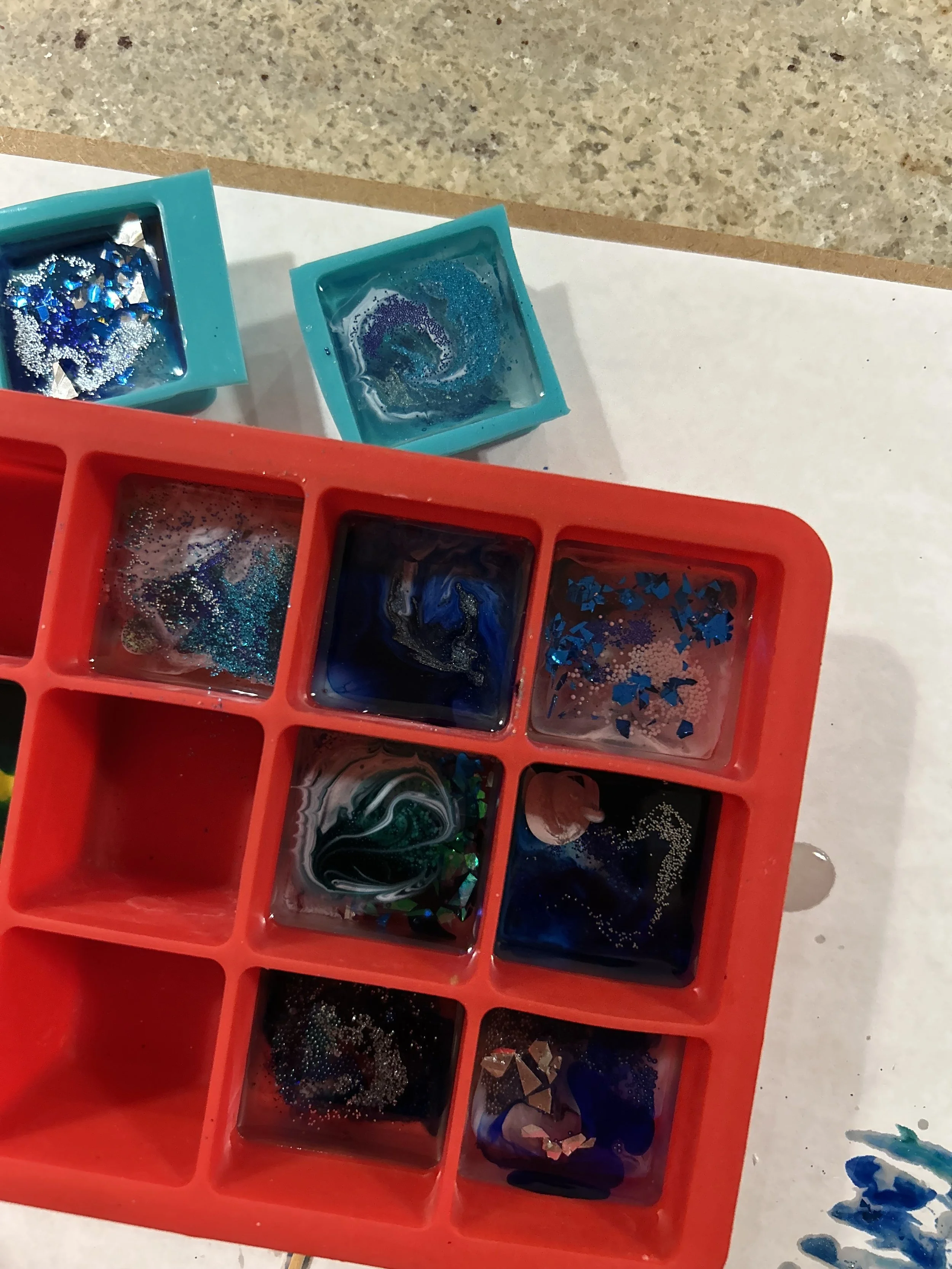
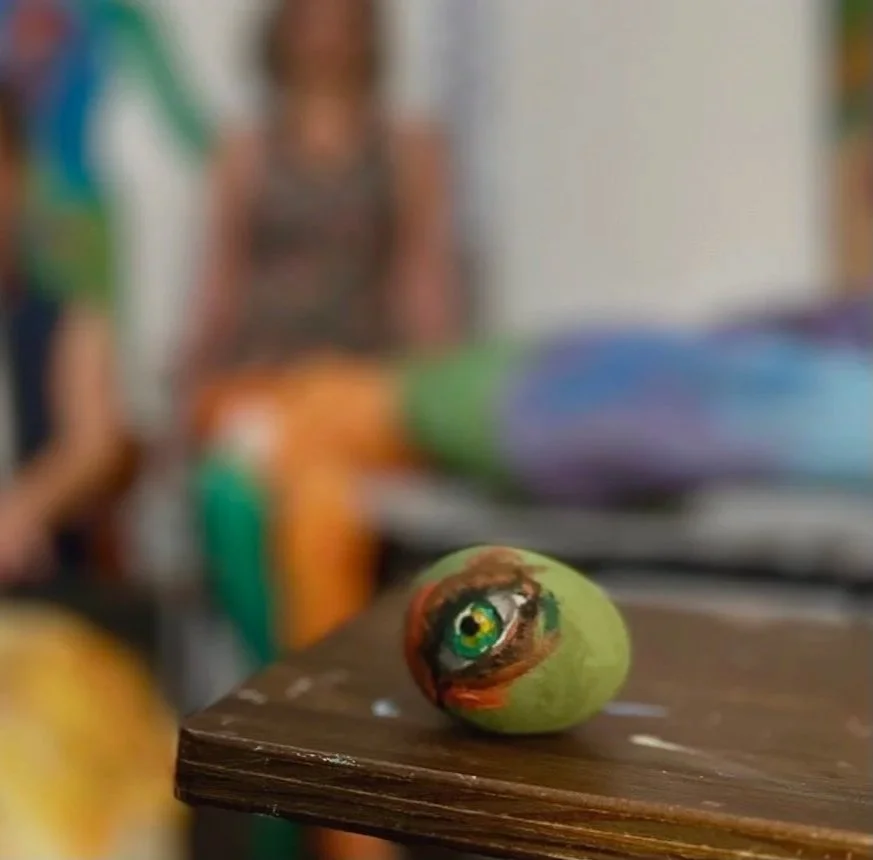
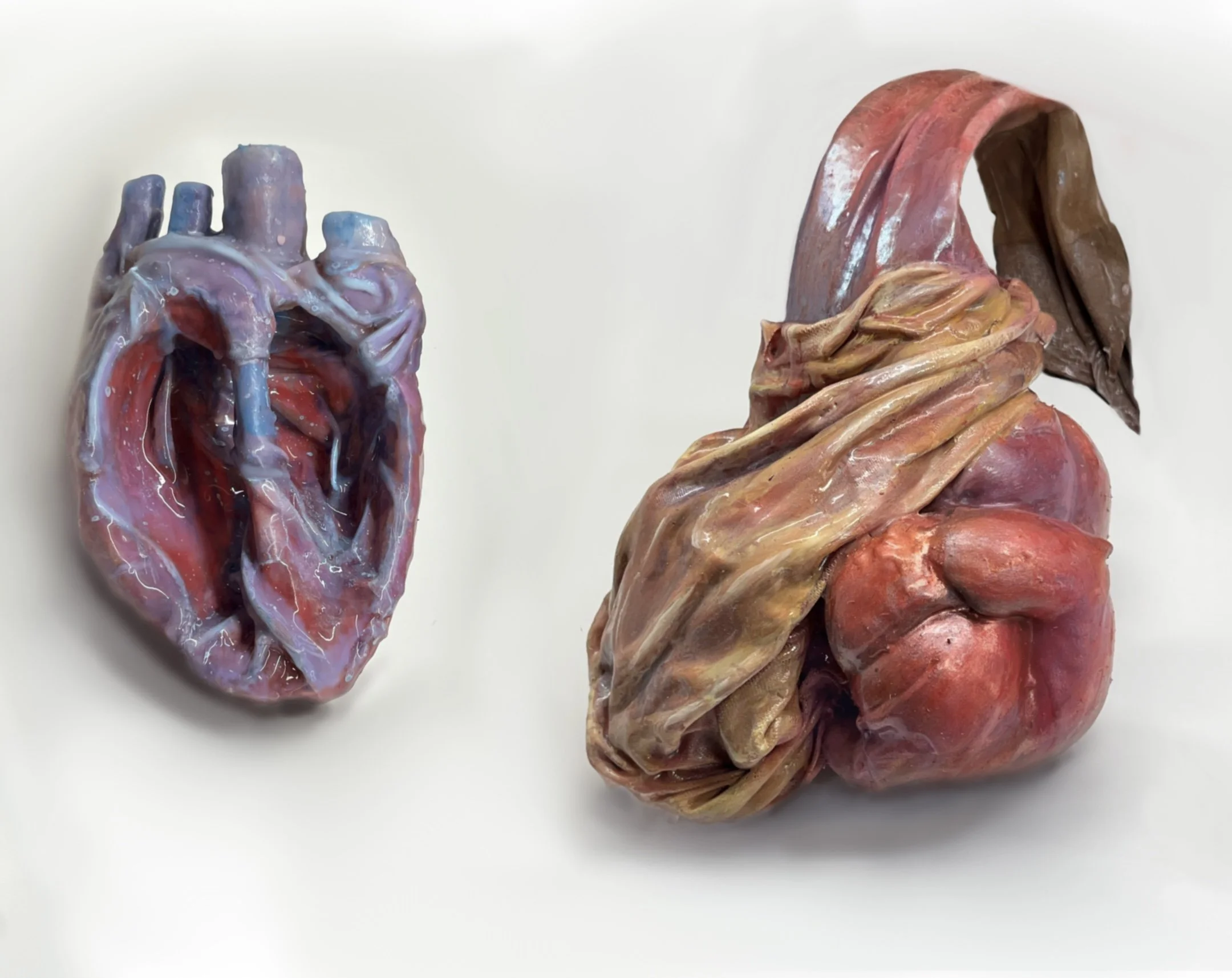
To create the organs, a wide variety of materials were used - for the visceral, raw organs of grief, we utilized materials such as silicone, fabric, and 3d printed TPU to deliver a squishy and squeamish quality. The organs of Separated Love were engorged, inflamed, and heavy, so we embedded sandbags within organs to drive home the conceptual associations of weight. The organs of joy were lighter and more playful, so we utilized fabric and soft sculpture techniques as well as children’s toys and LED lights to inject a spirit of whimsy and playfulness.
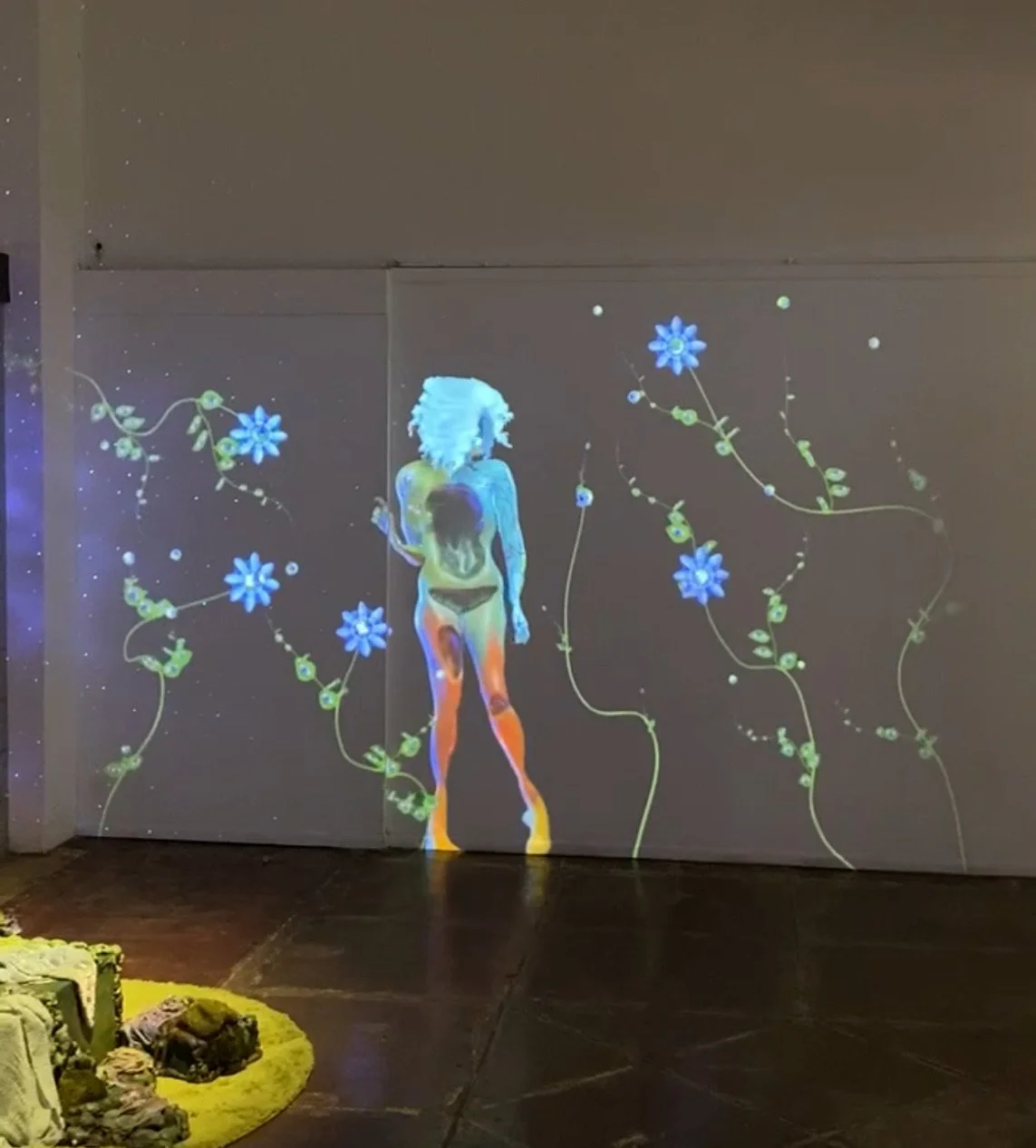
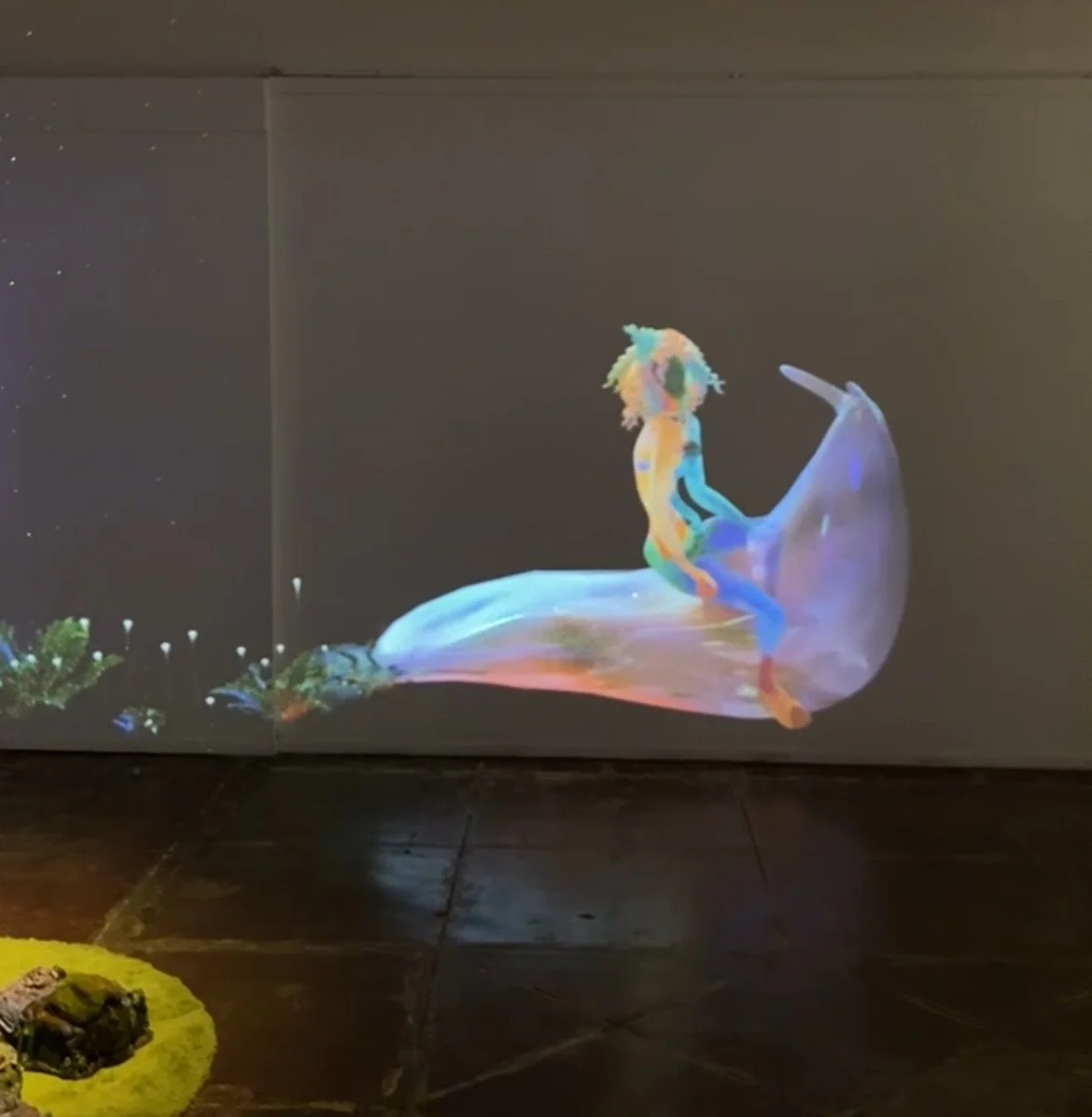
4D: THE ENVIRONMENT
As we further explored this concept of a responsive environment, a hallmark quality seemed to be giving participants the opportunity to impact the space around them. There are both low-tech and high-tech ways to do this. Simply moving objects around has the ability to impact the configuration and feel of a space. However we were also fascinated by the ability to trigger events - when one player enters a zone, touches an object, or performs an action, a completely separate event can be initiated. This is easy enough to create in exclusively digital space, but the idea of creating a hybridized physical and digital interface was one that compelled us. The question for us was what actions trigger what events, and how can we use this as a storytelling device, rather than a contrived mechanic purely for the sake of using the tech?
We developed an interesting framework to determine the interactions between action and event. The trigger objects in this case would be the organs, and the placement of them. What does placement signify? Perhaps the places we put our organs can be a tool to symbolize intention and emotional coping. For example, how to we treat our hearts? Do we care for them gently, or do we numb ourselves? Do we stimulate our minds, relax them, antagonize or pick at them? How do our environments impact this?
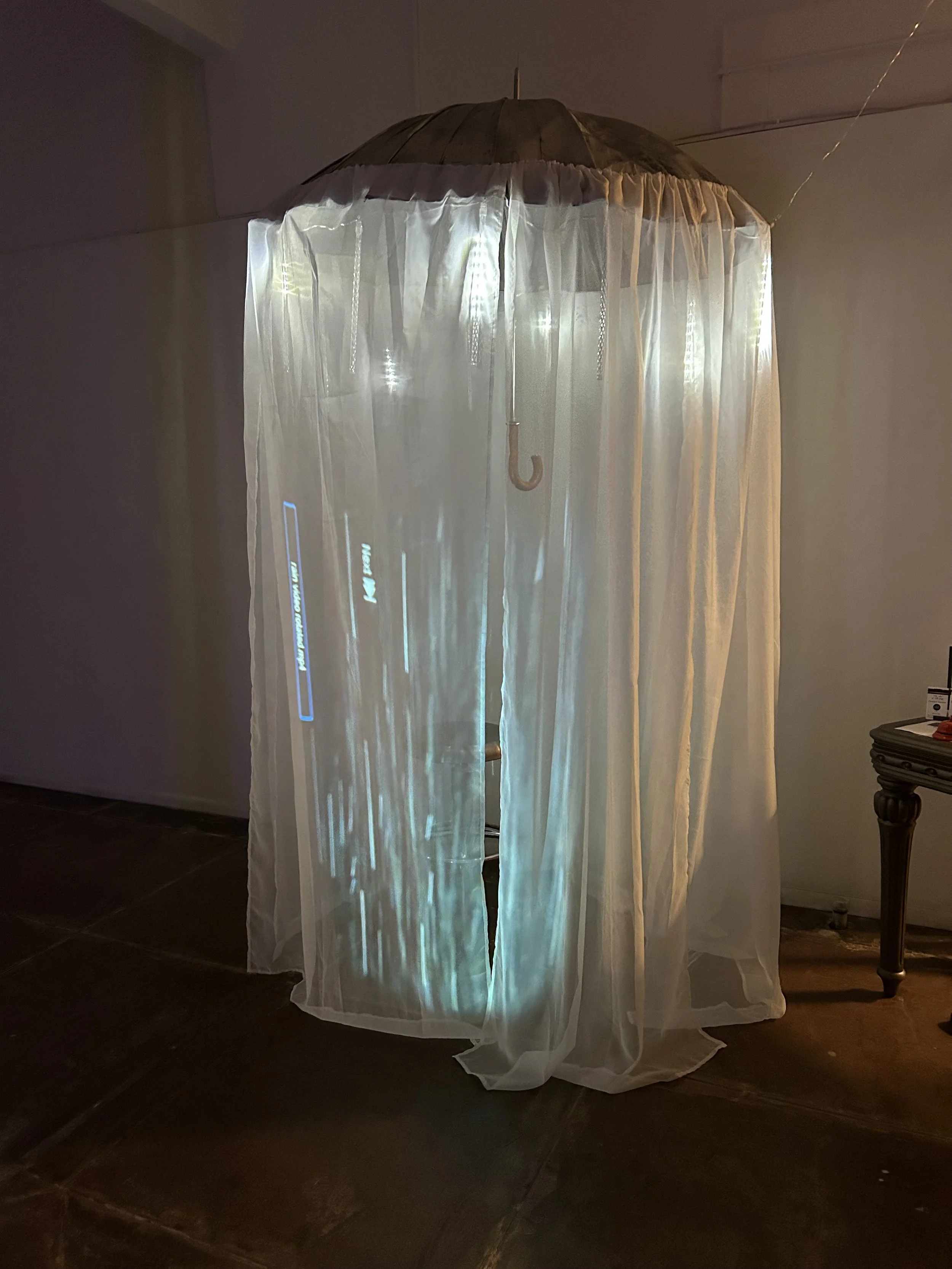
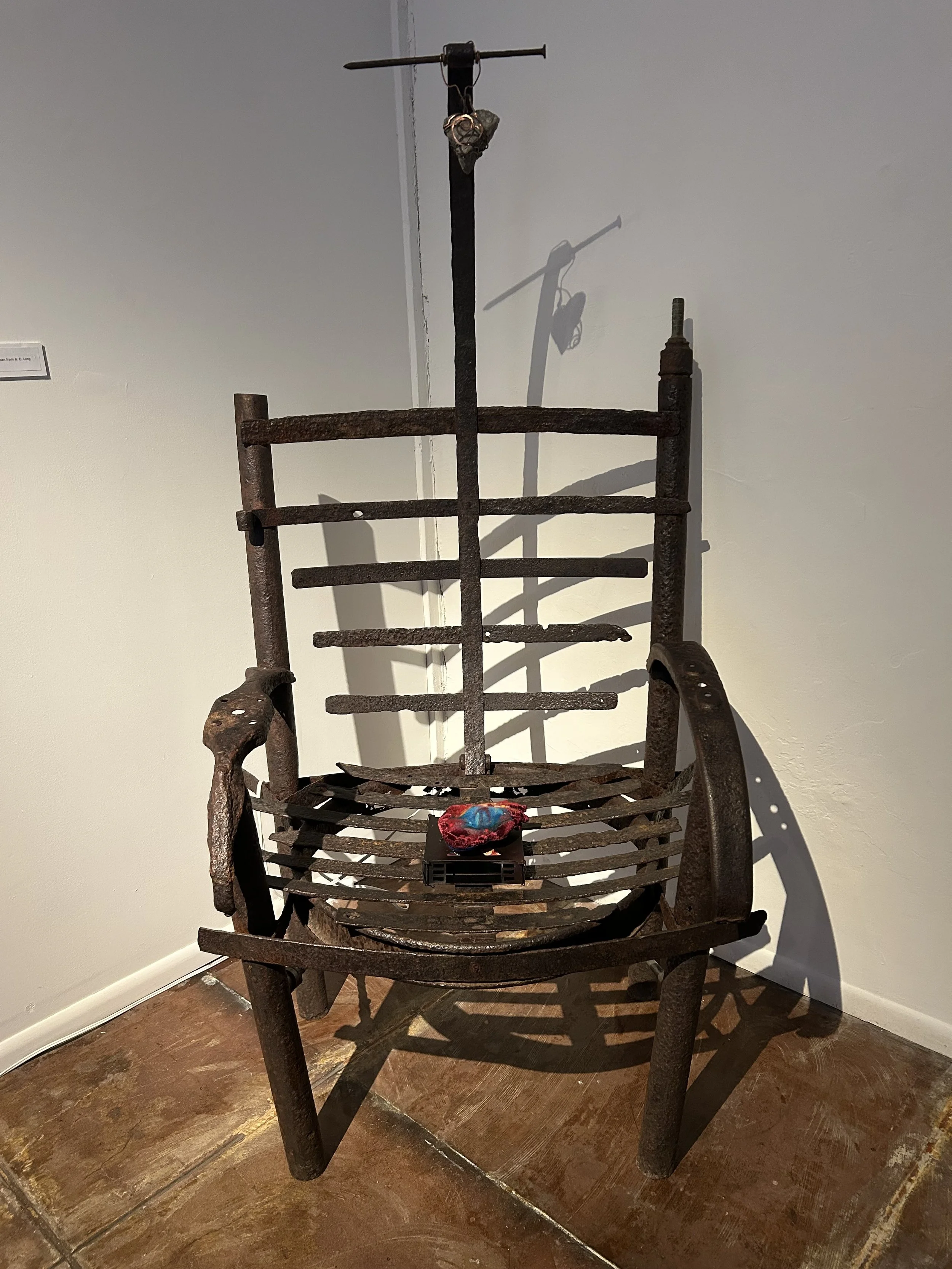
In order to translate this language into a system of actions and objects, we decided to expand the installation from just the figures to include a series of “emotional coping stations” that visitors could bring their organs to. These stations represent various actions we might take, such as isolating ourselves, entering into nature, numbing ourselves, using technology, or sitting in our emotions. When visitors bring different organs in different states to these stations, there is room for different stories to be told. Coping mechanisms aren’t universally black and white or good and bad - it all depends on our intentions.
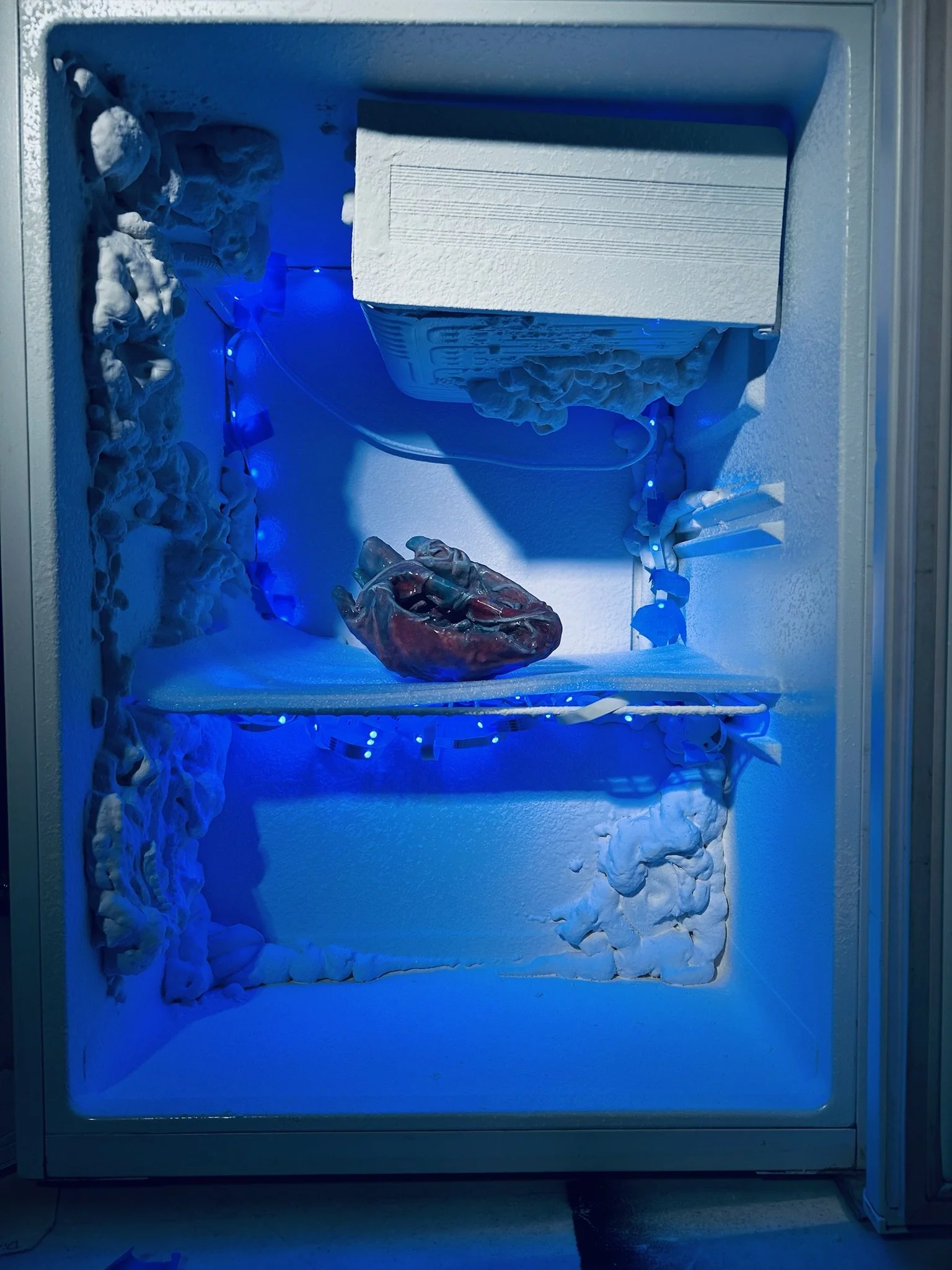
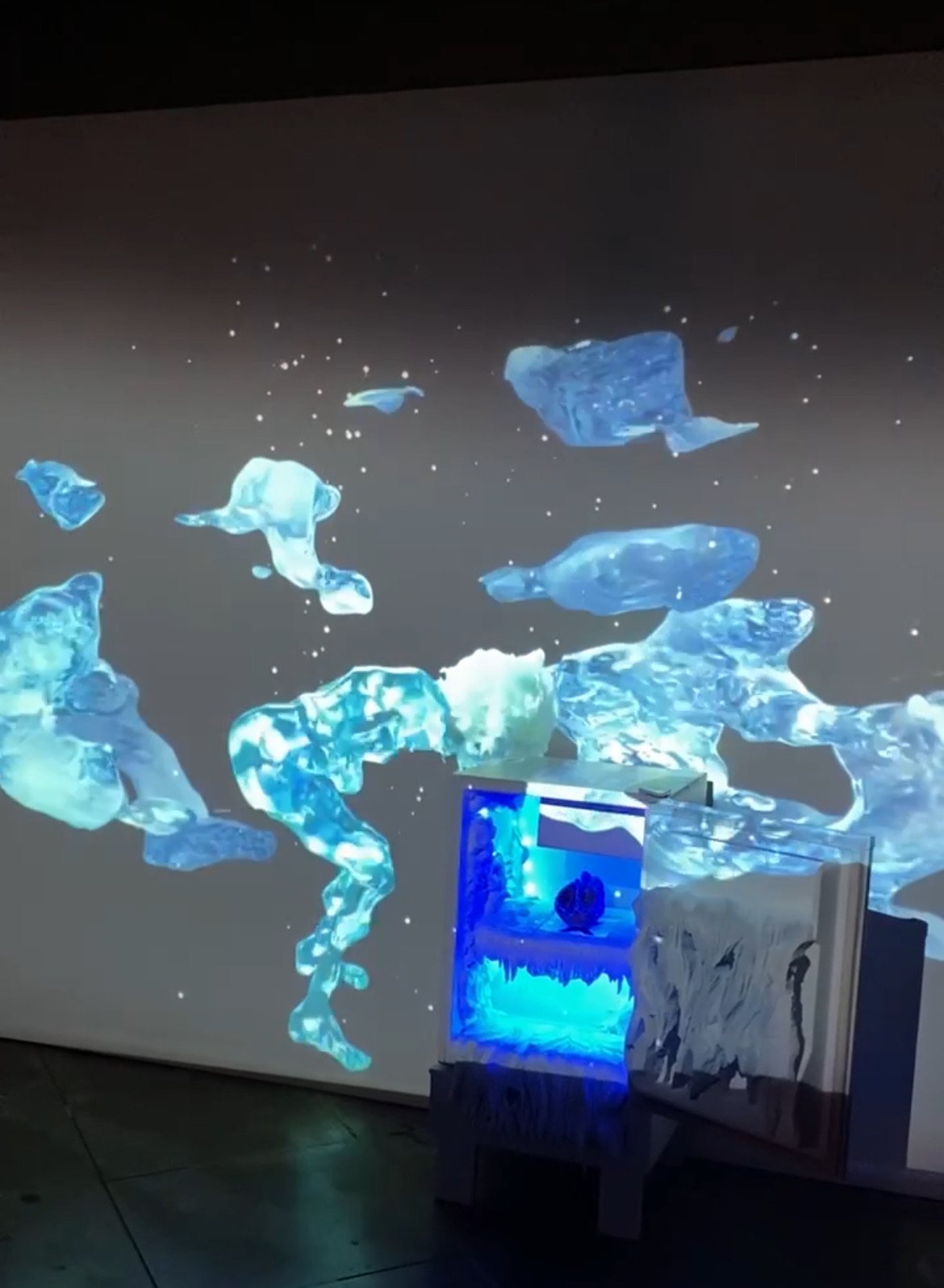
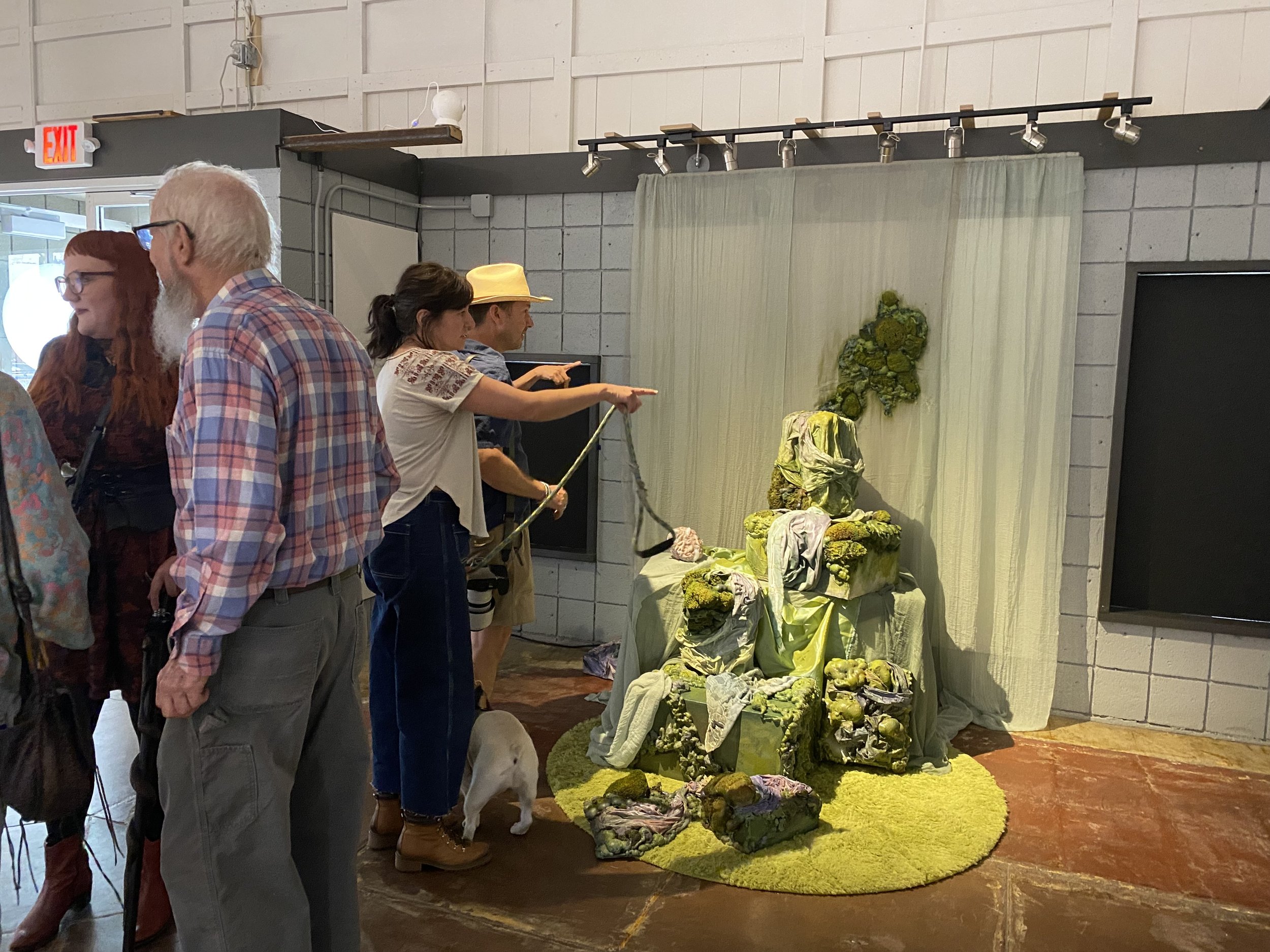
Now that we had explored the actions, it was time to consider - what events will be triggered? We thought back to our initial vision for the concept, where these portraits were animated and projected on the gallery walls. We realized that through various interpretive actions and animation systems, we could expand upon the links we were making between emotions, our bodies, and our coping strategies. A primary example is taking a grieving heart to an icebox triggering an animation of the character shivering in the cold; another example might be bringing your heart into nature, and feeling a sense of connectedness with the environment around you. Bringing anger into isolation, for example, may result in unfettered frustration and rage, while approaching solitude from a grounded and mindful place might feel more like serenity.
BEHIND THE SCENES

FUNDING AND LOCATIONS
Operation is generously supported by The Ross Lynn Charitable Foundation, The Art Hive Foundation, and a Louisiana Project Grant. The Ross Lynn Charitable Foundation made possible the multi-phase artist residency for the creators as well as provided financial and creative support for the Arizona and Louisiana installations. The RLCF provides experiences for people seeking personal growth with the belief that it strengthens communities (www.rosslynnfoundation.org). The Art Hive Foundation provided studio and gallery space, housing, and curatorial and creative support for Operation in Arizona. The Art Hive provides affordable access to creative studios for emerging artists to develop skills in the creative arts while nurturing wholesome community connections through contemporary public art exhibitions in a variety of mediums and through educational programming (www.arthive.space). A Louisiana Project Grant was awarded to RLCF and the artists to fund the expansion and installation of Operation in Louisiana. These grants fund innovative, community-based arts projects. They are given by the Louisiana Division of the Arts, Office of Cultural Development, Department of Culture, Recreation and Tourism, in cooperation with the Louisiana State Arts Council, as administered by the Northeast Louisiana Arts Council. Funding has also been provided by the National Endowment of the Arts.
Operation premiered at The Art Hive Gallery in Prescott, Arizona, in July 2025, and shows at the Gilbert Center Gallery in Ruston, Louisiana, in February to April 2026. It goes to Philadelphia later in 2026 (date pending).